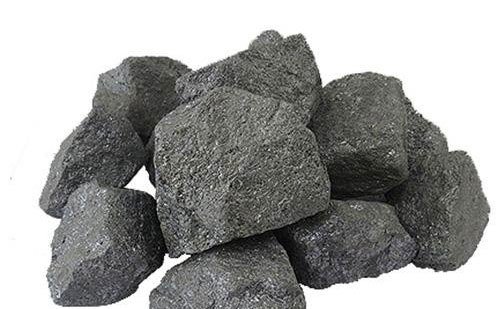
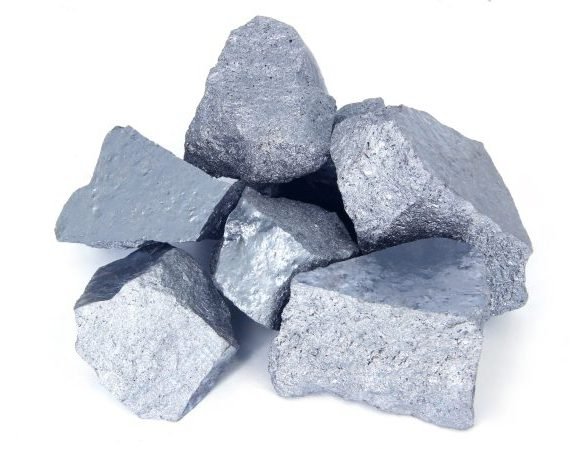
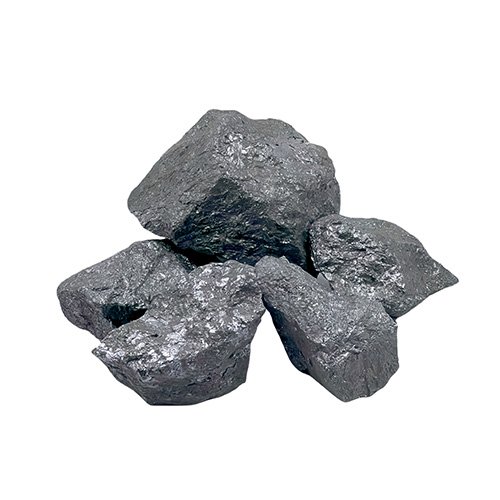
In the competitive world of steelmaking and foundry operations, optimizing your material costs is crucial for maintaining a healthy bottom line. High Carbon Silicon (also known as Silicon Carbon Alloy or SiC Alloy) has become an indispensable material for its dual role in deoxidation and alloying. However, understanding the fluctuating High Carbon Silicon cost can be a complex challenge.
At Beifang Alloy, with years of experience as a trusted ferroalloy factory, we believe an informed customer is our best partner. This guide is designed to demystify the factors influencing High Carbon Silicon pricing and provide a clear roadmap for your procurement needs.
Before diving into market prices, it’s essential to define your specific requirements. The “one-size-fits-all” approach doesn’t apply here, as your needs directly impact the final cost. Ask yourself these key questions:
Chemical Composition: What are your target ranges for Silicon (Si), Carbon (C), and impurities like Aluminum (Al), Sulfur (S), and Phosphorus (P)? Higher purity (e.g., Si ≥ 68%) commands a premium.
Particle Size: Do you require lumps, standard 10-50mm granules, or a custom powder size? Special sizing may involve additional processing costs.
Volume and Consistency: Are you making a one-time bulk purchase or requiring regular, scheduled shipments? Long-term contracts can often lock in more stable pricing.
Application: Is it for steelmaking, ductile iron production, or another specific use? The application dictates the necessary grade and quality.
Clearly defining these parameters is the first step toward an accurate cost assessment and finding the right supplier match.
The High Carbon Silicon price is not arbitrary; it’s a reflection of complex global supply and demand dynamics. At Beifang Alloy, we continuously monitor these key drivers:
Raw Material Costs: The primary components of High Carbon Silicon are silica (quartz) and carbon materials (like coke, coal, and charcoal). Volatility in the energy and mining sectors directly translates to cost fluctuations.
Energy Prices: The production process is energy-intensive, requiring high-temperature electric arc furnaces. Rising electricity costs are a significant component of the final price.
Environmental Policies: Stricter environmental regulations, particularly in major producing regions like China, can limit production capacity and increase operational compliance costs, tightening supply and pushing prices upward.
Global Steel Demand: As the primary consumer of ferroalloys, the health of the steel industry is a direct barometer for High Carbon Silicon demand. Economic booms in construction and manufacturing increase demand and cost.
Logistics and Freight: International shipping costs, port congestion, and fuel surcharges play an increasingly important role in the landed cost of your material.
Navigating the procurement process strategically can lead to significant savings and a more reliable supply chain.
Step 1: Source Multiple Quotes: Obtain detailed quotations from several suppliers. Ensure the quotes are for the exact same specification to make a true comparison.
Step 2: Scrutinize the Fine Print: Look beyond the base price. What are the payment terms (T/T, LC)? What is the Incoterm (FOB, CIF)? Who is responsible for insurance and freight?
Step 3: Verify Quality Assurance: A reputable supplier will provide Mill Test Certificates (MTC) or third-party inspection reports to validate the chemical and physical properties of the product.
Step 4: Assess Reliability and Communication: Gauge the supplier’s responsiveness and transparency. Can they provide production schedules and reliable shipping updates? A reliable partner is often more valuable than the absolute lowest price.
When comparing potential suppliers, it’s critical to evaluate more than just the listed High Carbon Silicon cost. Here’s how Beifang Alloy stands out:
| Feature | Standard/Other Suppliers | Beifang Alloy |
|---|---|---|
| Quality Control | Variable; may rely on generic standards. | Rigorous, in-house lab testing for every batch. Consistent composition and low impurity levels guaranteed by MTC. |
| Production Capability | May be a trader or a small factory with limited capacity. | Direct manufacturer with control over the entire production process, ensuring volume stability and traceability. |
| Pricing Structure | Can be opaque with hidden fees. | Transparent and competitive pricing. We explain cost drivers and work to provide the best value, not just the lowest initial price. |
| Technical Support | Limited to sales communication. | Expert technical support to help you select the optimal grade for your application, improving your efficiency and cost-effectiveness. |
| Supply Chain Reliability | Vulnerable to market disruptions. | Stable raw material sourcing and efficient logistics partnerships ensure consistent on-time delivery, even in volatile markets. |
Understanding High Carbon Silicon cost requires a holistic view of your needs, the market, and the supplier landscape. By focusing on total value—encompassing quality, reliability, and partnership—you can make a procurement decision that supports your long-term success.
At Beifang Alloy, we are committed to being that value-driven partner. We invite you to contact us with your specific requirements for a detailed quotation and to experience the difference that working with a dedicated manufacturer can make.
Contact Us Today for a Competitive Quote!
Beifang Alloy
www.beifangalloy.com
Email: info@hnxyie.com