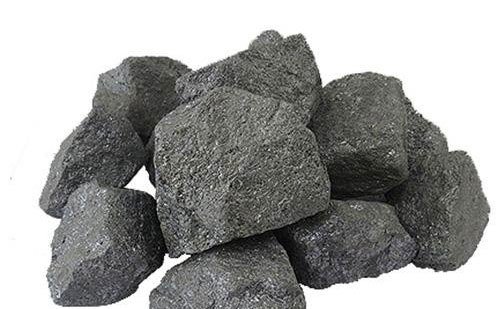
In the dynamic world of steelmaking and foundry operations, efficiency and cost-effectiveness are paramount. High Carbon Silicon (HC Silicon), also known as Carbon Ferrosilicon, has emerged as a vital ferroalloy that perfectly addresses these needs. As a potent deoxidizer and alloying agent, it streamlines production processes while reducing overall costs.
For procurement managers and metallurgists, understanding the intricacies of HC Silicon is the first step toward making an informed purchasing decision. This comprehensive guide, brought to you by Beifang Alloy, a trusted ferroalloy factory, will walk you through everything you need to know—from its core properties to a practical supplier comparison.
Before diving into procurement, it’s essential to grasp what High Carbon Silicon is and why it’s so valuable.
What is High Carbon Silicon?
High Carbon Silicon is a ferroalloy primarily composed of Silicon (Si) and Carbon (C), with trace amounts of other elements. It is produced in an electric arc furnace and serves as a highly efficient and economical alternative to using traditional ferrosilicon and recarburizers separately.
Powerful Deoxidation: It effectively removes oxygen from molten steel, improving the quality and integrity of the final product.
Excellent Alloying Agent: It simultaneously introduces both silicon and carbon into the melt, which are essential for achieving desired steel grades and cast iron properties.
Energy and Cost Efficiency: By combining two functions into one additive, it reduces melting time, energy consumption, and overall material handling costs.
Improved Fluid Dynamics: Its use enhances the fluidity of molten metal, leading to better castings and fewer defects.
The value of HC Silicon is defined by its chemical composition and physical characteristics.
Typical Chemical Specifications:
| Element | Composition Range | Common Grades |
|---|---|---|
| Si (Silicon) | 55% – 75% | Si 68%, Si 65%, Si 60% |
| C (Carbon) | 15% – 25% | C 18%, C 20%, C 22% |
| Al (Aluminium) | 1.5% – 3.0% (Max) | Varies based on grade |
| S (Sulphur) | ≤ 0.05% | |
| P (Phosphorus) | ≤ 0.05% |
Note: At Beifang Alloy, we produce a range of specifications, with our Si 68% C 18% grade being one of the most popular for its balanced performance.
Physical Properties & Density:
Appearance: Irregular gray-black lumps with a metallic luster.
Density: The density of High Carbon Silicon typically ranges from 3.4 to 3.6 g/cm³. This high density is advantageous as it promotes quicker submergence and dissolution in the molten metal, minimizing surface oxidation and loss.
Melting Point: Approximately 1300-1400°C.
The global push for more sustainable and cost-effective steel production is driving the adoption of High Carbon Silicon. Key trends include:
Rising Demand in Emerging Economies: Rapid infrastructure development in Asia and Africa is increasing steel consumption, thereby boosting demand for efficient ferroalloys like HC Silicon.
Focus on Cost Reduction: Foundries and mills are actively seeking ways to lower production costs without compromising quality, making HC Silicon an attractive solution.
Supply Chain Consolidation: Buyers are increasingly looking for reliable, integrated manufacturers (like Beifang Alloy) over small-scale traders to ensure consistent quality and stable supply.
A successful procurement strategy goes beyond just price. Here’s a checklist for buyers:
Define Your Technical Requirements:
What are your target Si and C levels?
What are the maximum allowable limits for impurities like Al, S, and P for your specific application (e.g., specific steel grades)?
Evaluate Physical Specifications:
Lump Size: Ensure the supplier’s standard lump size (e.g., 10-50mm, 10-100mm) is suitable for your furnace charging system to ensure proper dissolution and recovery rates.
Assess Quality Assurance:
Does the supplier have a certified quality management system (e.g., ISO 9001)?
Do they provide Mill Test Certificates (MTCs) or chemical analysis reports with each batch?
Logistics and Packaging:
Confirm packaging (usually in 1-ton jumbo bags) and the supplier’s ability to handle international shipping and customs documentation if required.
Choosing the right supplier is critical. Here’s a framework to compare your options:
| Factor | Standard/Unknown Supplier | Beifang Alloy (Your Advantage) |
|---|---|---|
| Quality Consistency | May vary between batches, leading to production inconsistencies. | Guaranteed consistency with strict in-process quality control and batch-by-batch MTCs. |
| Technical Expertise | Often acts as a mere trader with limited metallurgical knowledge. | Direct manufacturer with deep technical expertise. We provide application support and customized solutions. |
| Production Capacity | Limited or unpredictable, risking supply chain disruption. | Large-scale, stable production from our own ferroalloy factory, ensuring on-time delivery. |
| Pricing | May offer low initial prices but hidden costs can arise from poor quality or logistics issues. | Competitive and transparent pricing that offers a lower total cost of ownership through higher recovery rates and efficiency. |
| Service & Support | Reactive and slow communication. | Proactive customer service with dedicated representatives. We are your partner, not just a vendor. |
Procuring High Carbon Silicon is a strategic decision that directly impacts your product quality and bottom line. By focusing on precise specifications, understanding market dynamics, and partnering with a reliable, technically-proficient manufacturer, you can secure a significant competitive advantage.
Ready to streamline your procurement process?
As Beifang Alloy, we are committed to being more than just a supplier. We are your technical partner in metallurgy. We invite you to contact us with your specific High Carbon Silicon requirements and experience the Beifang Alloy difference.
Contact Us Today for a Quote and Technical Data Sheet:
Website: www.beifangalloy.com
Email: info@hnxyie.com