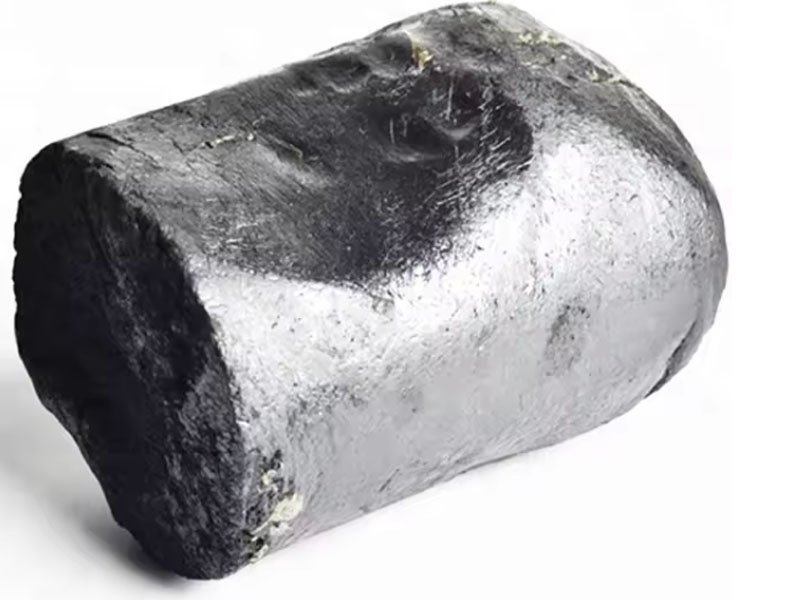
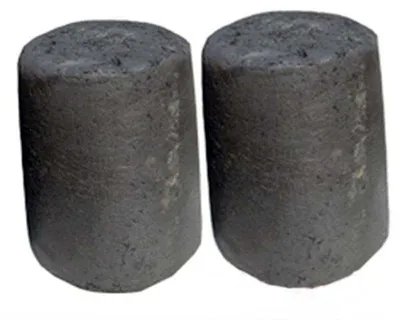
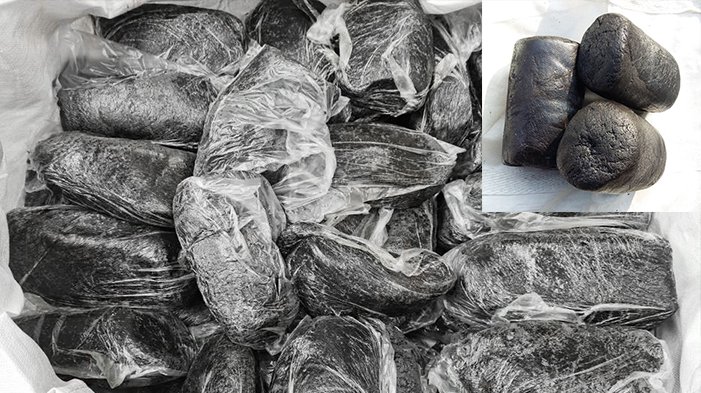
As a production manager in a ferroalloy plant, have you ever faced this nightmare: the blast furnace tap hole is ready to be opened, but the taphole clay inside the mud gun has turned into a “rock” — the piston won’t move, the motor strains, and you’re forced to stop production or even damage the gun head?
This phenomenon is commonly known as a “frozen gun” or “dead clay.” Here at Beifang Alloy, we break down this technical pain point from four perspectives: Procurement Needs, Industry Research, Procurement Guide, and Supplier Comparison.
Many plants focus only on refractoriness, plasticity, and slag resistance when purchasing taphole clay, neglecting a key performance indicator: pumpability retention inside the mud gun.
Stable flowability within shelf life: Clay should maintain a workable window of 2–4 hours from delivery to use.
Heat-hardening resistance: Mud gun barrels often exceed 80–120°C (176–248°F); clay must resist thermal hardening.
Proper compression ratio: Too dry → won’t push. Too wet → shallow tap hole. Always ask suppliers for a pressure-displacement curve.
Beifang Alloy Tip: If your clay hardens inside the gun after just 30 minutes, don’t blame the equipment first. Check whether your procurement technical agreement includes a “dwell time hardening” specification.
Based on our tracking of over 50 ferroalloy furnaces across China, 99% of taphole clay hardening cases fall into one of three mechanisms:
| Root Cause | Chemical/Physical Mechanism | Typical Signs |
|---|---|---|
| 1. Binder Volatilization & Crosslinking | Low-grade resins or pitches lose low-molecular-weight components under heat, undergoing irreversible crosslinking and solidification. | Clay surface becomes brittle; cross-section appears black and glassy. |
| 2. Excessive Clay Hydration | Some suppliers add cheap raw clay. Moisture evaporates in the hot gun barrel, and the clay loses its lubricating effect. | Clay turns from paste into powdery hard lumps, losing all plasticity. |
| 3. Tar Condensation Reaction | Recycled tar binders contain high quinoline insolubles. Above 60°C (140°F), they accelerate condensation, turning directly into coke. | Strong pungent asphalt odor when opening the gun cover; blocks are hard as stone. |
Industry Conclusion: “Hardening” is essentially a sign of binder formula and particle size distribution shortcuts taken by the supplier.
As a ferroalloy plant procurement manager, follow these 5 steps when selecting taphole clay:
Tools: A small oven (set to 100°C / 212°F) + a simple penetrometer.
Method: Place clay samples in the oven for 2 hours, then immediately test penetrability. Premium clay should show a change rate of <15%.
Ask suppliers for a pump pressure increase report after 0.5h / 1h / 2h inside a simulated mud gun.
Excellent standard: Pressure increase ≤30% of initial pressure after 2 hours.
Ultra-fines (<200 mesh) should account for 25%–35% of the total.
Too high → high water demand → dries out easily.
Too low → poor packing density.
Prefer modified phenolic resin systems or composite binders.
Avoid pure tar or straight pitch systems.
Include this wording: *“Under simulated mud gun conditions (80–120°C / 176–248°F for 90 minutes), the piston thrust increase shall not exceed 50% of the design value. Otherwise, the supplier bears liability for any tap hole closure failures.”*
Based on actual plant feedback, here is how different tiers of suppliers address the “clay hardening” issue:
| Supplier Type | Typical Response | Actual Problem | Beifang Alloy Approach |
|---|---|---|---|
| Low-end workshop | “Your mud gun is too hot. Not our clay’s fault.” | Uses industrial waste + recycled tar; avoids formula accountability. | Reject purchase |
| Generic refractory supplier | “Just pump faster and finish quickly.” | Treats symptom, not root cause; cannot handle long closure times. | Technical training + local adjustment |
| Big brand supplier | “We can customize, but lead time +2 months and +30% price.” | Standardized products; unwilling to adapt to ferroalloy specific conditions. | Backup option, but costly |
| Beifang Alloy | “We provide ‘heat-hardening resistant’ taphole clay, plus free mud gun temperature profiling and pressure matching services.” | Special low-crosslinking-rate binder developed for ferroalloy furnaces (varying volumes, frequent standby conditions). | Long-term stable supply, on-site technical support, unconditional replacement for any hardening issue |
In the push to reduce costs and increase efficiency in ferroalloy plants, taphole clay may seem like a small consumable, but it directly affects on-time cast house scheduling and mud gun hydraulic system life.
When you choose Beifang Alloy, you get more than just tons of clay — you get a complete “No-More-Hardened-Clay” process solution.
Contact the Beifang Alloy technical team today:
📧 Send inquiries to: info@hnxyie.com
🌐 Visit our website: www.beifangalloy.com
🔧 Request for free: Ferroalloy Blast Furnace Taphole Clay – Temperature vs. Hardening Time Reference Table
Beifang Alloy – Every tap runs smooth. Never “frozen.”