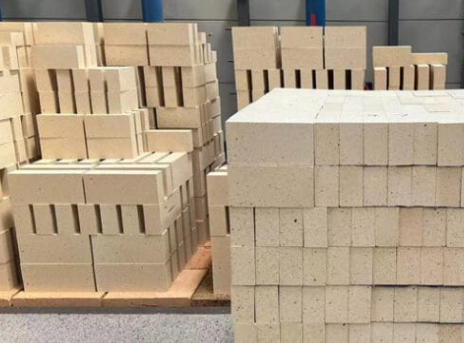
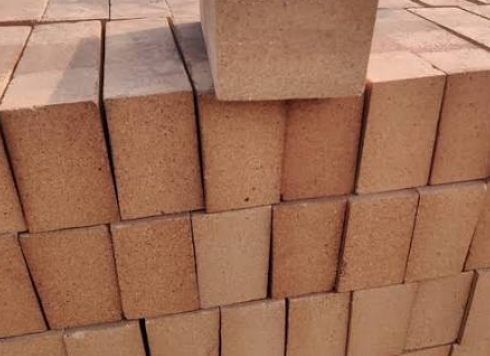
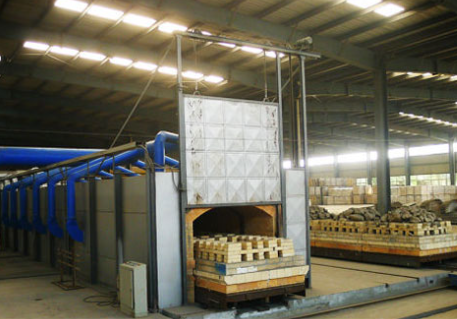
Refractory bricks are among the most critical consumables in any ferroalloy furnace, ladle, or high-temperature processing line. Yet many plants find that brick life falls well short of expectations—leading to unplanned downtime, frequent relining, and costs that quietly erode margins. At Beifang Alloy (www.beifangalloy.com), we’ve worked with customers across the ferroalloy supply chain long enough to see the same root causes repeat themselves. More often than not, the problem isn’t the brick itself—it’s one of four areas: procurement needs, industry research, procurement guide, and supplier comparison.
Below, we break down what typically goes wrong in each.
The most common—and most expensive—mistake happens before a single brick is ordered. Refractory life begins with a correct definition of operating conditions.
Typical failures include:
Mismatched brick grade and furnace conditions. A brick selected for a medium-carbon ferrosilicon furnace will not perform the same way in a high-temperature silicon metal or ferromanganese application. Temperature peaks, slag basicity, and thermal cycling all differ.
Ignoring slag chemistry. Slag attack is one of the leading causes of refractory wear. If the brick’s composition isn’t matched to the slag’s basicity and viscosity, chemical erosion accelerates dramatically.
Overlooking thermal shock and mechanical stress. Tapping, charging, and furnace tilting create mechanical and thermal loads that a brick must be able to absorb. Specifications that only consider maximum temperature miss this entirely.
No allowance for installation and expansion. Insufficient expansion joints or incorrect brick dimensions can cause spalling and cracking within the first campaign.
The fix: Document your actual operating envelope—temperature range, slag composition, cycle frequency, mechanical loads—before specifying a brick. A supplier who understands ferroalloy furnace conditions can help translate this into the right grade, dimension, and lining design.
 |
 |
Refractory performance is not static. Raw material quality, manufacturing standards, and application know-how evolve—and so do the demands placed on linings as furnaces run hotter and campaigns get longer.
What to watch:
Raw material trends. Bauxite, magnesia, graphite, and silicon carbide quality fluctuates by origin and processing route. A brick grade that performed well five years ago may not be made from the same raw material today.
Application shifts. As ferroalloy producers push for higher output and longer campaigns, refractory requirements tighten. Research from industry bodies and technical journals can flag where lining performance is under strain.
Failure analysis data. Track your own relining records—where did the brick fail? Hot face? Joints? Backup layer? This is the most valuable “industry research” you have, and it should feed directly into the next specification.
Standards and testing methods. Understanding how a supplier tests refractoriness, cold crushing strength, and slag resistance—and whether results are comparable—prevents apples-to-oranges comparisons.
The fix: Treat refractory selection as an ongoing technical exercise, not a one-time purchase. Combine published industry research with your own failure data to keep specifications current.
Refractory bricks are often procured through tender or spot purchase, with price dominating the decision. This is where short brick life gets locked in.
A practical procurement guide:
Compare on cost-per-campaign, not cost-per-ton. A slightly more expensive brick that lasts 30% longer is almost always the better buy. Build a simple cost model: brick price ÷ expected campaign length, plus relining labor and downtime.
Require full technical data. Demand certificates of analysis, physical property data (bulk density, apparent porosity, cold crushing strength, refractoriness under load), and application references.
Specify testing and acceptance criteria. Agree in advance on how incoming bricks will be inspected and what constitutes rejection.
Clarify packaging, storage, and handling. Refractory bricks are moisture-sensitive and fragile. Poor packaging or storage can degrade performance before installation even begins.
Address installation support. Ask whether the supplier provides lining design assistance or on-site guidance—this is often where the difference between average and excellent brick life is made.
The fix: Move from transactional buying to specification-driven procurement. The cheapest brick per ton is rarely the cheapest lining per year.
Two suppliers can quote the same grade at similar prices and deliver very different results. Supplier comparison should go well beyond the price column.
What to compare:
Manufacturing capability and consistency. Does the supplier control raw material sourcing and firing processes? Batch-to-batch consistency matters more than a single impressive test report.
Application experience in ferroalloys. A supplier who understands ferrosilicon, silicon metal, and manganese furnace conditions will specify differently—and more accurately—than a general refractory trader.
Technical service depth. Can they review your lining design, advise on installation, and support failure analysis? This is where long-term brick life is protected.
Quality documentation and traceability. Certificates, batch records, and test reports should be standard, not exceptional.
Track record and references. Ask for campaigns in similar furnaces and similar operating conditions. A supplier’s existing customers are the most honest comparison data you’ll get.
The fix: Shortlist suppliers on technical capability and service depth first, then compare price within that shortlist—not the other way around.
Short refractory brick life is rarely a single-variable problem. It usually traces back to a specification that didn’t match the furnace, market assumptions that went unexamined, a procurement decision driven by price, or a supplier chosen without real technical comparison. Addressing these four areas systematically is the most reliable way to extend campaign life and reduce total refractory cost.
At Beifang Alloy, we supply ferroalloys and work alongside customers who run the same furnaces and face the same refractory challenges. If you’re reviewing your lining performance or procurement approach, we’re happy to share what we’ve learned.
Beifang Alloy
🌐 www.beifangalloy.com
✉️ info@hnxyie.com