When a furnace is relined, the pile of spent bricks in the yard often gets treated as waste—something to be hauled away at a cost. But for ferroalloy plants, that pile is not uniform. Some of it is contaminated slag and rubble. Some of it still holds recoverable value. The difference between the two depends on what the bricks are, how they were removed, and whether the plant has a system for sorting and evaluating them before they leave the gate. This article examines used refractory brick recycling from four angles: procurement needs, industry research, procurement guide, and supplier comparison.
The recycling potential of used refractory bricks is largely determined before demolition begins, not after. For procurement and maintenance teams, the first question is not “can this be recycled?” but “what did we put in, and what did it contact during service?”
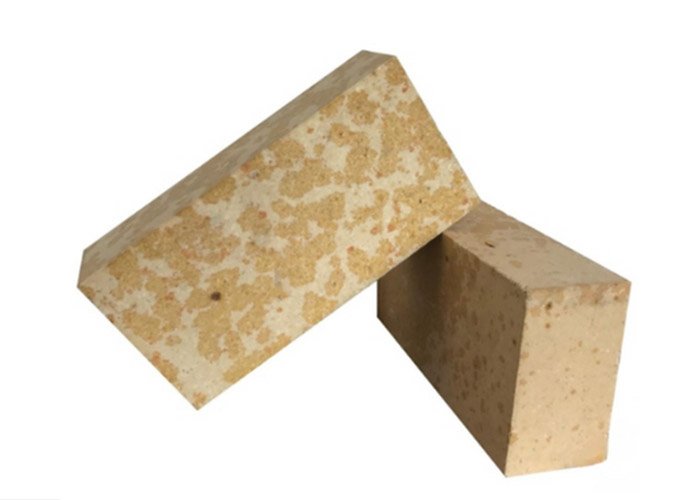
Different brick types have vastly different recycling pathways. Magnesia-carbon bricks from electric furnace slag lines and ladle working linings are among the highest-value recyclable streams, with MgO content that makes them attractive as slag conditioners or as raw material for new magnesia-carbon products . High-alumina and corundum-based bricks can be crushed and reused as aggregate in castables or ramming mixes, though the quality depends heavily on impurity levels introduced during service . Clay and silica bricks, by contrast, have low recovery value and often end up as low-grade fill or road base material .
The procurement implication is straightforward: zone-by-zone records matter. A plant that tracks which brick type was installed in which furnace zone, and when, can plan a sorted tear-out. A plant that mixes everything into one debris pile loses the ability to recover anything beyond low-value aggregate. For ferroalloy operations where magnesia-carbon and high-alumina materials are common in critical zones, the difference between sorted and unsorted tear-out can determine whether the spent brick becomes a revenue offset or a disposal cost.
The technical literature on refractory recycling is more mature than the actual recycling rate suggests. China produces an estimated 8 to 9 million tons of spent refractory materials annually, with utilization rates around 30% . Globally, Japan’s steel industry has achieved recycling rates as high as 90% to 100%, though much of this still goes to low-grade applications . The gap between what is technically possible and what is commonly practiced is where the procurement opportunity lies.
The most established high-volume pathway is use as a slag conditioner. Spent MgO-C bricks can partially replace dolomitic lime in electric arc furnace slag operations, increasing MgO saturation and extending refractory life . This is not a theoretical application—it is implemented at industrial sites and considered a recommended metallurgical practice. For ferroalloy plants with electric furnaces, this represents a relatively low-barrier entry point: the material does not need to be reprocessed into a new brick, only crushed and dosed correctly.
More advanced pathways exist but face economic and technical hurdles. Recycling MgO-C brick back into new MgO-C brick requires controlling impurities introduced by antioxidants (Al, Si) and preventing contamination from safety lining materials that may adhere to the working lining during tear-out . Research on flotation and combustion methods to recover MgO from spent MgO-C bricks has shown recovery efficiencies around 70%, with MgO content reaching 81% to over 93% depending on the method . These processes are viable but require investment in processing infrastructure that most individual plants do not have.
China’s regulatory framework has been catching up. The industry standard YB/T 4858-2020 (Technical Specification for Recycling and Utilization of Spent Refractory Materials), implemented in April 2021, defines the classification, storage, processing, and evaluation requirements for recycled materials . This gives both plants and their recycling partners a reference point for what constitutes acceptable processing practice—though enforcement and adoption remain uneven.
For a ferroalloy plant considering recycling its spent bricks, the procurement question shifts from “what do I buy?” to “what do I require from the recycling service provider?” A few contract and process points deserve attention.
First, require sorted tear-out, not demolition. The single largest determinant of recycled material value is whether different brick types are kept separate. A recycling contractor that simply loads everything into a crusher produces low-value aggregate regardless of what was in the furnace. Specify that magnesia-carbon, high-alumina, and low-value clay/silica materials be segregated at the furnace during removal, and require photographic or weigh-ticket documentation of the segregation. This is especially important for ferroalloy furnaces where the working lining, safety lining, and backfill may be chemically incompatible in a recycled product .
Second, address contamination upfront. Spent refractories are not a clean waste stream. Corroded surfaces may carry slag, metal, or furnace dust, and some materials generate highly alkaline leachate when exposed to water . If the recycling pathway involves slag conditioning or open storage, the contract should specify who bears responsibility for leachate management and any required pre-treatment (such as hydration of magnesia-based materials to prevent expansion). For plants in regions with strict environmental oversight, this is a liability question, not just a technical one.
Third, ask for the destination, not just the removal. A recycling vendor that takes the material away has not necessarily recycled it. Request documentation of where the material goes—slag conditioner supplier, aggregate processor, or landfill. For high-value streams like MgO-C, ask whether the vendor has an end user that can actually use the material in a metallurgical application, rather than downcycling it to road base. The commercial value of the spent brick should reflect its actual destination, not just the avoided disposal fee.
The recycling service market is fragmented, and not all providers are equivalent. When comparing options, the distinction between a waste hauler and a refractory recycler is the first filter.
A waste hauler’s business model is volume and landfill avoidance. They will take the material, possibly crush it, and find the lowest-cost disposal or downcycling route. This may be adequate for clay and silica brick with no realistic recovery pathway. But for magnesia-carbon and high-alumina streams, a hauler is likely to destroy value by mixing and downcycling.
A specialized refractory recycler should be able to demonstrate material-specific processing capability: separate handling for MgO-C and alumina-based materials, impurity control (particularly for metal antioxidants and adhered safety lining), and an identified end market for each stream. Ask for examples of where their recycled MgO-C material actually goes—a slag conditioner user, a new brick producer, or a repair mix manufacturer. A recycler that can name specific end users and describe the quality specifications they must meet is a more credible partner than one that speaks only in general terms about “circular economy solutions.”
For ferroalloy plants, there is also a practical middle path worth considering: on-site or near-site slag conditioning. If the plant operates electric furnaces, using crushed spent MgO-C brick as a slag conditioner may be feasible with relatively modest processing equipment (crushing and sizing) and a clear dosing protocol. This avoids the logistics and quality uncertainty of shipping material to a third party and captures the value directly in furnace operations. The trade-off is that it requires the plant to take on the crushing, sampling, and dosing responsibility—which may or may not fit existing maintenance capabilities.
About Beifang Alloy: Drawing on our ferroalloy production and procurement experience, we help industry customers evaluate refractory material streams and connect with supply chain partners. To discuss refractory recycling options or request product technical information, visit www.beifangalloy.com or contact us at info@hnxyie.com.