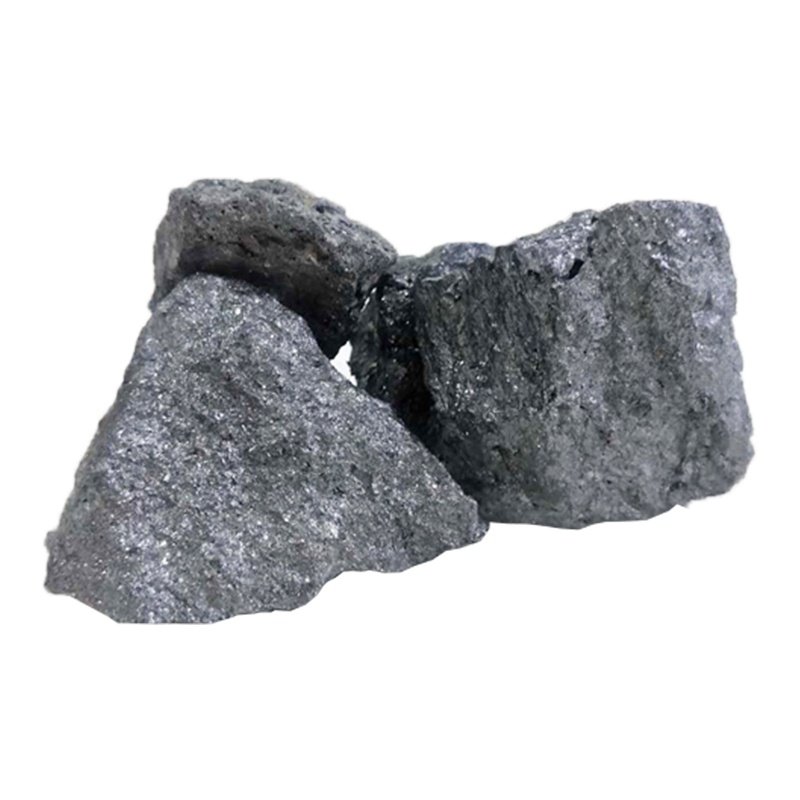
In the competitive landscape of steel and foundry production, optimizing costs without compromising quality is the key to maintaining a competitive edge. For decades, Ferro Silicon (FeSi) has been a cornerstone alloy for deoxidation and alloying. However, rising energy costs and market volatility have prompted savvy metallurgists and procurement managers to seek effective alternatives.
Enter High Carbon Silicon (HC Silicon)—a versatile, cost-efficient, and powerful substitute that is transforming procurement strategies across the industry. As Beifang Alloy, a leading ferro alloy factory, we are at the forefront of this shift. This guide will provide a clear roadmap for evaluating and integrating HC Silicon into your operations.
The primary driver for considering HC Silicon is significant cost reduction. But the benefits extend far beyond just price. Your procurement needs likely revolve around:
Cost Efficiency: HC Silicon inherently contains both silicon and a controlled carbon content (typically 15-25% Si, 45-55% C). This dual-action means you can often reduce or eliminate the separate addition of carbon carriers like coke, leading to direct savings on raw material costs.
Supply Chain Stability: The production of HC Silicon is generally less energy-intensive than traditional FeSi, making it less susceptible to energy price spikes and production halts. This can provide a more stable and reliable supply chain.
Process Optimization: In many applications, particularly in the production of carbon and low-alloy steel, using HC Silicon streamlines the process. It simultaneously introduces silicon and carbon, simplifying furnace operations and reducing tap-to-tap time.
Performance Quality: When sourced correctly, HC Silicon provides effective deoxidation and produces a clean, high-quality steel with minimal impurities, matching the performance of standard FeSi in many grades.
Industry research and on-the-ground application consistently highlight the growing adoption of HC Silicon. The trend is no longer a niche experiment but a strategic move for cost-conscious producers.
Energy and Environmental Drivers: With global pressure to reduce carbon footprints, the lower energy consumption in HC Silicon production makes it an increasingly attractive, more sustainable option.
Economic Viability in New Segments: While initially popular in lower-grade steel, advancements in process control have made HC Silicon a reliable option for a broader range of steel grades, expanding its market reach.
Global Acceptance: Major steel-producing regions are increasingly incorporating HC Silicon into their standard material specifications, validating its technical and economic benefits.
The data is clear: integrating HC Silicon is not just a temporary cost-cutting tactic, but a strategic realignment for long-term resilience.
Successfully switching to or incorporating HC Silicon requires a strategic procurement approach. Here are the key factors to consider:
1. Analyze Your Steel Grade Requirements:
Suitable For: Carbon steel, low-alloy steel, and certain types of silicon steel where precise carbon content is not critically detrimental.
Requires Caution: For high-grade, ultra-low carbon steel (e.g., some electrical steels), the carbon input from HC Silicon must be carefully calculated and may necessitate complementary processes.
2. Specify Critical Chemical Composition:
Silicon (Si) Content: Typically ranges from 15% to 25%. Ensure the grade you select meets your silicon yield requirements.
Carbon (C) Content: Usually between 45% and 55%. This is your “free” carbon source—factor it into your overall charge calculation.
Impurities (S, P, Al): This is crucial. Demand low levels of Sulfur, Phosphorus, and Aluminum to avoid negatively impacting the final steel quality. Reputable suppliers will provide certified material analysis reports.
3. Evaluate Physical Specifications:
Size/Form: HC Silicon is commonly available in lumps (10-50mm, 10-100mm) or powder. The lump form is preferred for direct furnace charging to minimize losses.
4. Calculate the True Cost-in-Use:
Don’t just compare the per-ton price of HC Silicon to FeSi. Calculate the total cost:
Price of HC Silicon
Minus Savings from reduced coke/carburizer
Plus/Minus Adjustments for any change in yield or efficiency
This holistic calculation will reveal the true economic advantage.
The quality of HC Silicon varies significantly between suppliers. Choosing the wrong partner can erase all potential cost benefits. Here’s how to compare suppliers effectively:
| Feature | Low-Cost, High-Risk Supplier | Reputable Partner (Like Beifang Alloy) |
|---|---|---|
| Quality Consistency | Inconsistent composition batch-to-batch; high impurity risk. | Strict, certified quality control with guaranteed chemical and physical specifications. |
| Technical Support | Little to no support; you are on your own. | Expert metallurgical support to help you integrate HC Silicon smoothly and optimize your recipe. |
| Production Capability | Unreliable output, leading to supply disruptions. | Stable production capacity and robust inventory to ensure a continuous, reliable supply. |
| Transparency & Data | Reluctant to provide detailed material safety data sheets (MSDS) or analysis reports. | Full transparency with all necessary documentation for a safe and informed procurement process. |
| Long-Term Value | Focuses on a single transaction. | Acts as a strategic partner, offering consistent value and innovation for your long-term success. |
At Beifang Alloy, we don’t just sell ferro alloys; we provide metallurgical solutions. Our High Carbon Silicon is produced under stringent quality standards, ensuring you get a product that delivers on its promise of cost savings and performance.
We empower our clients with:
In-depth technical data and application guidance.
Customizable sizes to fit your specific furnace requirements.
A reliable, direct-from-factory supply chain that eliminates uncertainty.
Ready to explore how High Carbon Silicon can reduce your costs and strengthen your supply chain?
Contact Us Today for a Free Consultation and Quote.
Let our experts help you analyze your needs and make a seamless transition.
Website: www.beifangalloy.com
Email: info@hnxyie.com