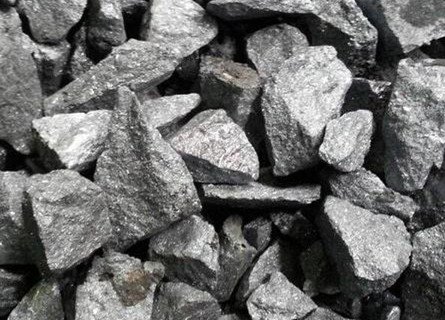
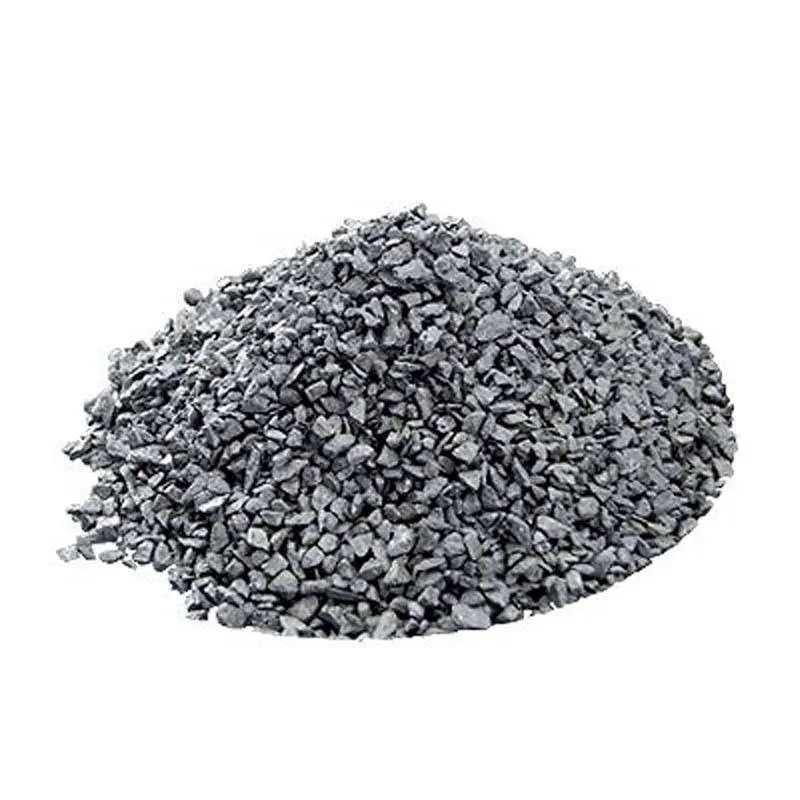
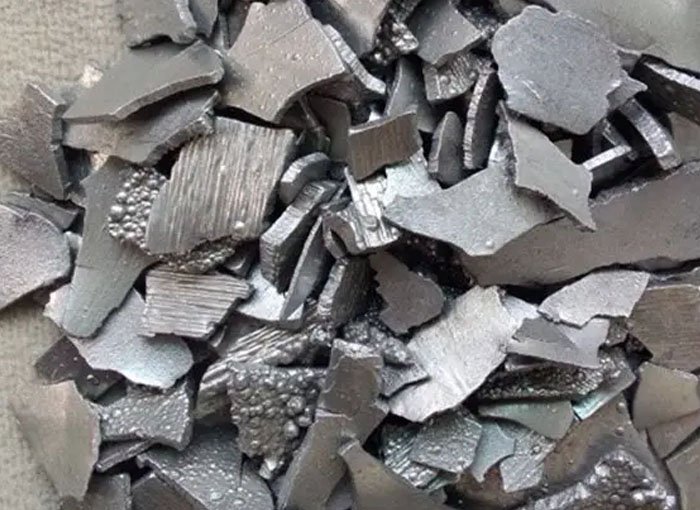
441 silicon metal
What types of silicon alloys?
Silicon alloys come in various types, each tailored for specific applications in the steel, foundry, and electronics industries. Here are the main types of silicon alloys.
View More >
12
2024-11
How to choose from fesi75 ,fesi72 , and fesi65?
Choosing between FeSi75, FeSi72, and FeSi65 ferroalloy grades depends on several factors, including the intended application, quality requirements, and cost considerations. Here’s a breakdown of how to choose the right grade.
View More >

12
2024-11
Si-al Ferroalloy
What is Ferro Silicon Aluminium Alloy used for?
Ferro Silicon Aluminium Alloy, a ferroalloy containing varying amounts of silicon and aluminum, is primarily used in the steelmaking and foundry industries for several purposes.
View More >
11
2024-11
How to improve the use effect of recarburizer?
Improving the effectiveness of a recarburizer in the steelmaking process involves several strategies, focusing on both material selection and operational practices. Here are some key methods.
View More >
11
2024-11
What are the major regional markets of ferro alloys?
The major regional markets for ferroalloys include.
View More >
11
2024-11
What is the future of ferro alloys?
The future of ferroalloys appears promising, driven by global advancements in infrastructure, clean energy, electric vehicles (EVs), and the expanding demands of the steel and foundry industries. As the world shifts towards sustainable and advanced manufacturing, ferroalloys are poised to play a key role in several major trends. Here’s an outlook on the future of ferroalloys.
View More >
08
2024-11
441 silicon metal
How to produce silicon metal?
Silicon metal is produced primarily through the reduction of quartz (silicon dioxide, SiO₂) using a carbon-based reducing agent in a high-temperature submerged arc furnace. Silicon metal production is crucial for various industries, including aluminum production, electronics, and solar energy. Here’s a detailed outline of the production process.
View More >
08
2024-11
How to produce FeSiBa Inoculant?
Producing FeSiBa Inoculant (Ferro Silicon Barium) involves alloying iron, silicon, and barium under high-temperature conditions in a furnace. FeSiBa inoculant is a crucial additive in foundries for improving the quality of cast iron, as it promotes uniformity in the graphite structure, reduces chill, and enhances machinability. Here’s an overview of the production process.
View More >
08
2024-11
History of ferro alloy
The history of ferro alloys is intertwined with the development of steel production and the rise of industrial metallurgy. Ferro alloys are alloys of iron with a high proportion of one or more alloying elements, such as chromium, manganese, silicon, vanadium, or tungsten. They are crucial in improving the properties of steel and are used in the production of a wide range of industrial alloys. Here's an overview of the history of ferro alloys.
View More >
07
2024-11
How electrolytic manganese metal flakes is produced?
Electrolytic Manganese Metal (EMM) Flakes are produced through an electrolytic process, where manganese ore is converted into high-purity manganese metal. The production of electrolytic manganese involves several steps, including ore selection, leaching, purification, and electrolysis. Below is a detailed breakdown of how EMM flakes are produced
View More >
07
2024-11
Whatsapp: +86 17637210171
Tel: +86 18821346688
info@hnxyie.com