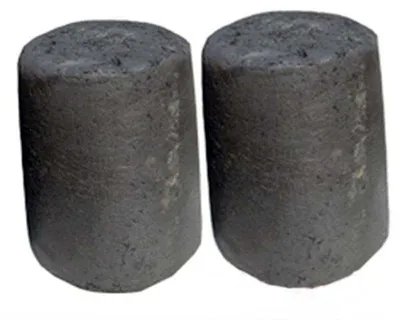
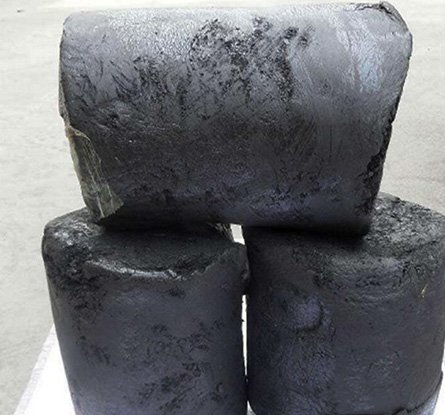
In the precision accounting of ironmaking costs, taphole clay is often dismissed as a “minor consumable.” Consequently, its purchase price frequently becomes the primary target for cost reduction initiatives. As a specialized supplier deeply rooted in the ferro alloy sector, Beifang Alloy (www.beifangalloy.com) invites you to consider a critical question often overlooked by procurement:
When you prioritize short-term price reductions at the expense of taphole clay quality and consistency, do you realize how much the resulting increase in tapping frequency is silently eroding your profitability?
Currently, steel plants typically procure taphole clay through two main models: 1) traditional per-ton purchasing, and 2) the increasingly common “ton-pig-iron contracting” model. Industry research indicates that over 70% of steel plants now utilize the ton-pig-iron contracting approach. In this model, the cost of taphole clay is directly linked to the consumption rate per ton of hot metal (kg/tHM) .
However, many procurement strategies remain stuck in the of simple price comparison. We must re-evaluate the numbers:
Typically, the consumption rate of taphole clay for a blast furnace ranges from 0.5 to 0.9 kg per ton of hot metal. Let’s assume a furnace uses cheaper, lower-quality clay. While the initial purchase price is lower, inferior quality often leads to difficulties in plugging the taphole, poor slag resistance, and unstable tap holes. The direct consequence is an operational necessity to increase the daily tapping frequency by 1 to 2 times.
This does not just increase the absolute volume of clay used. The more significant damage lies in the disruption of smooth furnace operation: increased tapping frequency upsets the stable running of the blast furnace, raises the fuel ratio, and strains hot metal logistics.
Beifang Alloy’s Recommendation: Procurement specifications must evolve to focus on Total Lifecycle Cost. High-performance taphole clay should guarantee consistent taphole depth (e.g., maintaining depth >3.4 meters with over 98% compliance rate) and extend individual tap duration (e.g., exceeding 120 minutes). By enabling fewer, more efficient taps, the overall operational cost is significantly reduced, proving that quality pays for itself.
With the widespread adoption of large blast furnaces (>2000m³), the taphole clay industry is undergoing profound technological transformation.
1. Market Growth Trajectory
The global taphole clay market is on a steady growth path. Research indicates the global revenue for taphole clay was approximately $6.48 billion USD in 2024 and is projected to approach $8.27 billion USD by 2031. This growth is primarily driven by the demands of intensive smelting processes, which require refractory materials with superior performance characteristics.
2. Evolution of Composition and Performance
Modern anhydrous taphole clay has evolved far beyond simple mixtures of clay and coke powder. Its core components now include:
Aggregate Materials: Corundum, high-alumina bauxite (10%-20%), providing erosion and冲刷 resistance.
Functional Additives: Silicon Carbide (approx. 10%), enhancing thermal shock resistance; Coke powder (20%-40%), maintaining a reducing atmosphere.
Binders: The industry is shifting from traditional coal tar pitch towards resin-tar composite binders. This evolution maintains excellent slag resistance while reducing harmful volatile emissions by over 80% compared to traditional pitch, and is approximately 40% lower in cost than pure resin binders.
3. Key Pain Points in Current Applications
Industry surveys consistently identify four core challenges in taphole clay usage: Inconsistent Quality (leading to fluctuating clay gun pressure), Poor Slag Resistance (resulting in rapid taphole enlargement), Variable Bulk Density (causing cracks in the taphole), and increasing Environmental Pressure. The ultimate consequence of these issues? Loss of control over tapping frequency, negating any savings from a lower initial purchase price.
When evaluating taphole clay suppliers, moving beyond the price per ton is essential. Focus on technical KPIs that directly impact your furnace’s operational efficiency and total cost.
1. The “Tapping Frequency” Calculation
Ask suppliers to provide data or case studies demonstrating how their product helps reduce daily taps.
Scenario: Standard Practice = 14 taps/day. Optimized Practice = 12 taps/day.
Impact: 2 fewer taps per day. Each tap saved means less clay consumed, less disruption to burden descent, lower risk of taphole突发事件, and extended taphole life. Calculate the annual savings in refractory materials, fuel, and increased productivity.
2. Key Performance Indicators (KPIs) to Demand
Consistent Taphole Depth: Depth stability (e.g., standard deviation <0.2m) is critical. Fluctuating depth signals poor clay quality and leads to operational instability.
Stable Clay Gun Pressure: Pressure should remain within a narrow, predictable range during extrusion. Wild swings indicate inconsistent plasticity or moisture content.
Extended Tap Duration: Longer, controlled taps are preferable to short, erratic ones.
Low Moisture Content: Strict control (e.g., <2%) prevents explosions and ensures stable extrusion.
Green Strength: Adequate strength after ramming to withstand initial blast without cracking.
3. Supply Chain Stability
Given the reliance on materials like high-purity bauxite, silicon carbide, and specialty binders, ensure your supplier has a stable, transparent supply chain. Ask about their sourcing strategy for raw materials to avoid disruptions.
When comparing potential suppliers, the difference often lies in the depth of metallurgical understanding and the consistency of application support.
| Feature | Beifang Alloy Advantage | Typical Market Supplier |
|---|---|---|
| Core Philosophy | Total Cost of Ownership (TCO) – Focus on optimizing furnace KPIs (tap frequency, fuel rate). | Unit Price Focus – Primarily competes on cost-per-ton, often compromising on critical raw materials. |
| Technical Support | Full Metallurgical Service – We analyze your specific furnace conditions (burden, size, operating pressure) to customize the clay formulation. | Product-Only Focus – Provides a standard product with limited post-sales technical adjustment or process optimization support. |
| Raw Material Sourcing | Vertically Integrated Insights – Deep understanding of ferro alloy raw materials allows us to select and secure high-grade aggregates and functional additives. | Spot Market Dependent – Often relies on open market purchases for raw materials, leading to potential quality and price volatility. |
| Key Value Driver | Reduced Tapping Frequency – Our advanced formulation and precise particle size distribution ensure a stable tap hole, longer tap life, and fewer daily taps, directly lowering your cost per ton of hot metal. | Initial Price – May achieve a lower invoice price, but often at the cost of higher consumption rates and increased operational instability. |
The math is clear: the cost of an extra tap far exceeds the price of a few extra kilograms of clay. It includes the cost of lost production time, increased fuel consumption, and added wear on equipment.
Beifang Alloy does not just sell taphole clay; we provide engineered solutions for optimizing blast furnace output. By partnering with us, you invest in consistency, performance, and a guaranteed reduction in your total operational cost.
Ready to recalculate your true taphole clay costs? Contact our technical team today.
Beifang Alloy
Website: www.beifangalloy.com
Email: info@hnxyie.com