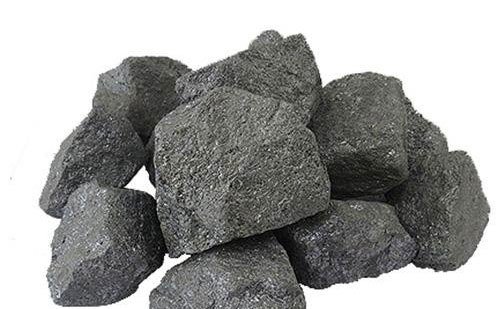
High carbon silicon (also called Si-C alloy, HC silicon, or high-carbon silicon alloy) has become one of the most cost-effective materials in modern steelmaking. As steel producers continue to face rising raw material prices, energy costs, and stricter efficiency requirements, high carbon silicon offers an economical alternative to traditional ferroalloys like ferrosilicon and silicon carbide.
At Beifang Alloy, we supply high-quality high carbon silicon to steel plants worldwide. This article explains how high carbon silicon helps reduce steelmaking costs and provides guidance on procurement needs, industry trends, purchasing strategies, and supplier comparison.
Steel mills increasingly choose high carbon silicon because it satisfies several production needs:
High carbon silicon contains Si 40–70% and C 10–25%, allowing it to replace part of:
Ferrosilicon
Silicon carbide
Carbon additives
This substitution reduces the cost per ton of deoxidation and carburization.
High carbon silicon provides:
Strong deoxidation capability
Stable carbon and silicon recovery
Lower impurity levels compared with scrap-based alternatives
This leads to cleaner molten steel and reduced inclusion content.
High carbon silicon is widely used in:
BOF steelmaking
EAF steelmaking
Foundry casting
Continuous casting processes
Its versatility makes it a practical choice for steel mills targeting diverse product lines.
Global demand for silicon-based alloys continues to rise due to:
Expanding steel production
Increasing need for cheaper alloy alternatives
Pressure to maintain competitive pricing
High carbon silicon is particularly popular in:
China
India
Southeast Asia
Middle East
Africa
Compared with traditional ferroalloys:
| Material | Price | Purpose | Cost Advantage |
|---|---|---|---|
| Ferrosilicon 75 | High | Deoxidizer | High carbon silicon can replace 30–50% usage |
| Silicon Carbide | Medium/High | Deoxidation & carburization | High carbon silicon is cheaper with stable C/Si recovery |
| Carbon Additives | Low/Medium | Carburization | High carbon silicon provides clean carbon + silicon in one product |
Using high carbon silicon reduces the total alloy cost per ton of steel.
When purchasing high carbon silicon, steelmakers should consider the following key factors:
Common grades:
Si 40 / Si 50 / Si 60 / Si 70
C ranges from 10–25%
Choose the grade based on:
Deoxidation requirement
Carbon content target
Budget vs. performance
Typical sizes:
10–50mm
10–100mm
0–10mm (powder)
Larger lumps = better for BOF & EAF
Powder = best for quick dissolution & casting use
High carbon silicon prices depend on:
Silicon content
Carbon content
Origin (China is the main supply hub)
Lump size
Packaging (jumbo bags or bulk)
Bulk orders can significantly reduce the cost per ton.
For export customers:
Moisture-proof jumbo bags
Reinforced shipping packaging
Stable supply for long-term production cycles
When comparing suppliers of high carbon silicon, consider:
Beifang Alloy maintains strict quality control:
Stable Si and C content
Low impurities (S, P)
Uniform size and granularity
As a ferroalloy manufacturer, we offer:
Lower cost than traders
Better customization
More flexible order quantities
Delivered to 70+ countries, including:
Southeast Asia
Europe
Africa
South America
Middle East
We provide:
Usage recommendations
Cost reduction plans
Trial samples
On-site or remote assistance
With strong production capacity, Beifang Alloy ensures:
Stable stock
On-time delivery
Long-term cooperation reliability
High carbon silicon is one of the most effective cost-saving materials in steel production. Its ability to replace multiple expensive alloys while stabilizing molten steel quality makes it an ideal choice for steel mills aiming to reduce operational costs.
By choosing a reliable supplier like Beifang Alloy, steelmakers can achieve:
Lower cost per ton
Higher production efficiency
Better alloy recovery
More stable product quality
📩 Email: info@hnxyie.com
🌐 Website: www.beifangalloy.com
🏭 Product: High Carbon Silicon, Ferro Silicon, Silicon Metal, Calcium Silicon, SiMn, SiC, and more.