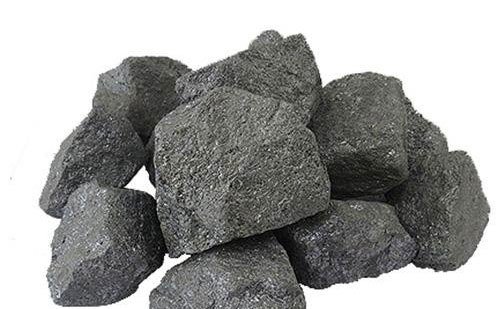
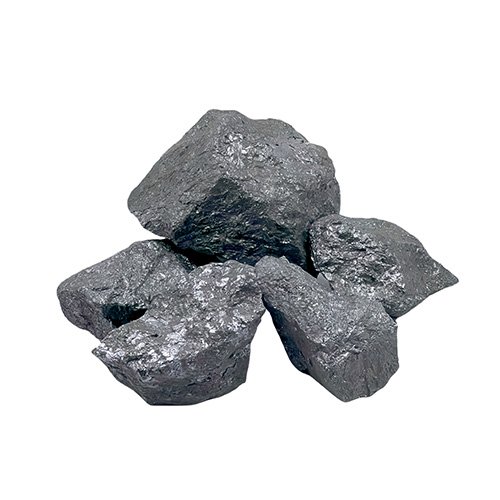
In the intricate world of steelmaking and foundry operations, the choice of additives can significantly impact efficiency, cost, and final product quality. High Carbon Silicon (HC Silicon), also known as Carbon Ferro Silicon, is a workhorse alloy renowned for its dual role in deoxidation and carburization. However, not all HC Silicon is created equal. Key physical properties like melting point, lump size, and the form of granules are often overlooked, leading to operational inefficiencies.
This guide, from the experts at Beifang Metal, will equip you with the knowledge to make informed procurement decisions, ensuring you get the right material for your specific application.
Before searching for suppliers, you must clearly define what your production process requires. The specifications of High Carbon Silicon you need are directly tied to your operational goals.
For Efficient Melting and Dissolution: The melting point of High Carbon Silicon (typically around 1300-1400°C) is a crucial factor. You need an alloy that melts efficiently within your furnace’s temperature profile to ensure quick dissolution, uniform distribution, and effective reaction with the molten metal. Inefficient melting can lead to longer cycle times and inconsistent quality.
For Optimal Feeding and Recovery: The lump size (e.g., 10-50mm, 50-100mm) is vital for handling and charging practices. Standard lump sizes are designed to sink efficiently into the molten steel, minimizing oxidation loss and maximizing alloy recovery. The wrong size can cause excessive floating slag or poor yield.
For Precision and Speed in Secondary Metallurgy: HC Silicon Granules (e.g., 1-10mm) or powder are essential for precise addition in ladle furnaces or wire feeding systems. Their high surface-area-to-volume ratio allows for rapid dissolution, making them ideal for fine-tuning chemistry at the last stages of production.
Key Question for Buyers: Are you looking for bulk carburization in the arc furnace, or precise deoxidation in the ladle? Your answer dictates the form you need.
A deeper understanding of the material’s properties informs smarter sourcing strategies. Here’s what the industry data tells us about these key characteristics:
The Significance of Melting Point: The melting point of High Carbon Silicon is not a single value but a range influenced by its specific composition (typically Si: 55-75%, C: 15-25%). A consistent and predictable melting point is a mark of quality. It ensures the alloy performs reliably batch after batch, preventing surprises in your melt shop and contributing to stable energy consumption.
Lump Size Standards and Efficiency: Industry-standard lump sizes are not arbitrary. They are engineered to:
Minimize Fines: Excessive fines (particles <10mm) are undesirable as they oxidize quickly, create dust, and reduce yield.
Promote Sinking: The correct mass and size allow the lump to penetrate the slag layer and enter the molten metal effectively.
Facilitate Storage and Handling: Uniform lump sizes prevent segregation in storage bins and ensure consistent flow through charging systems.
The Rise of Granules for Precision: The use of HC Silicon granules is growing with the advancement of secondary metallurgy. Granules offer unparalleled control, allowing operators to hit precise carbon and silicon targets with minimal variance. This is critical for producing high-grade, specialty steels.
Armed with the knowledge above, use this step-by-step guide to streamline your procurement process.
Define Your Specification Sheet:
Chemical Composition: Specify required ranges for Si, C, Al, S, P, and other impurities.
Physical Form: Clearly state whether you need Lumps (and the exact size range), Granules (and the mesh size), or both.
Melting Point Reference: While not always specified in orders, inquire about the supplier’s consistency in this area.
Packaging: Specify jumbo bags, standard bags, or bulk containers to prevent losses during transit.
Source and Vet Potential Suppliers: Look for established ferroalloy factories with a proven track record. A company’s website and technical capability are good initial indicators.
Request and Analyze Samples: A reputable supplier will provide samples for your evaluation. Check the physical appearance, size consistency, and freedom from excessive fines.
Focus on Total Cost of Ownership (TCO): Look beyond the price per ton. Consider:
Yield/Recovery Rate: A higher-quality product with better lump integrity may have a higher yield, making it more cost-effective.
Consistency: Reduces the need for re-testing and process adjustments.
Technical Support: A supplier who understands your process can be an invaluable partner.
When comparing suppliers for High Carbon Silicon, it’s essential to look beyond the price tag. Here is how Beifang Alloy measures up on the critical factors:
| Feature | Standard Supplier | Beifang Alloy – Your Expert Partner |
|---|---|---|
| Quality Control | Basic chemical analysis; variable physical specs. | Rigorous, multi-stage QC. We ensure not only precise chemical composition but also strict control over lump size distribution and minimal fines, guaranteeing predictable performance. |
| Product Consistency | Can vary between batches, leading to process instability. | Batch-to-batch consistency is our hallmark. Our controlled manufacturing process ensures the melting characteristics and physical form you rely on are delivered every time. |
| Technical Expertise | Primarily a trader or producer with limited application knowledge. | We are a ferroalloy factory with deep metallurgical expertise. We can advise on the optimal lump size vs. granules for your specific furnace and grade of steel. |
| Product Range | May offer limited size or form options. | A comprehensive range of High Carbon Silicon, from standard lumps (10-100mm) to precise granules (1-10mm), tailored to diverse customer needs. |
| Customer Service | Transactional relationship. | Partnership-focused support. From your initial inquiry at info@hnxyie.com to after-sales support, we are dedicated to your operational success. |
Procuring High Carbon Silicon is a technical decision that directly affects your bottom line. By focusing on the critical properties of melting point, lump size, and granules, and by partnering with a knowledgeable and reliable manufacturer, you can optimize your efficiency and product quality.
At Beifang Metal, we don’t just sell ferroalloys; we provide metallurgical solutions. Our controlled production process ensures you receive a high-purity, physically optimized product that delivers consistent results in your melt shop.
Ready to optimize your High Carbon Silicon procurement?
Explore our products: www.beifangalloy.com
Contact our experts: info@hnxyie.com for technical data sheets, sample requests, and a personalized consultation.
Beifang Metal- Your Trusted Partner in Ferro Alloys.