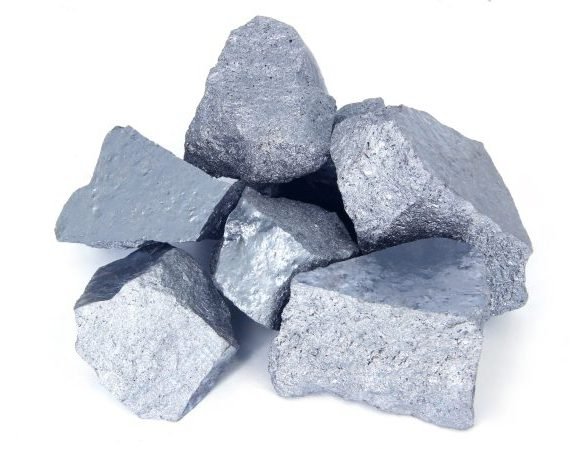
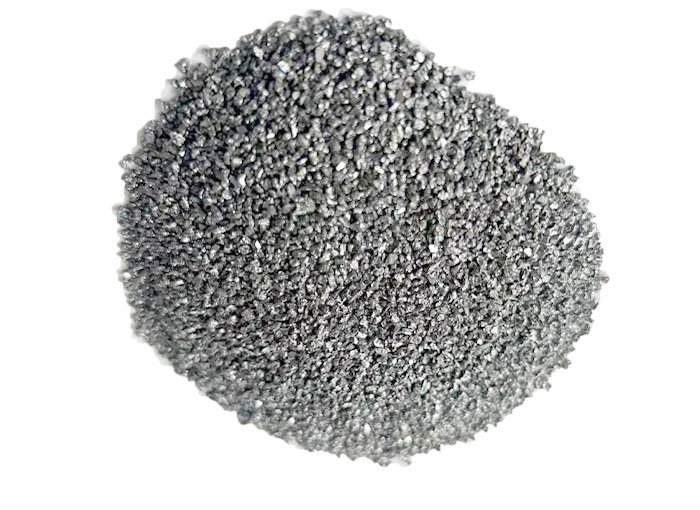
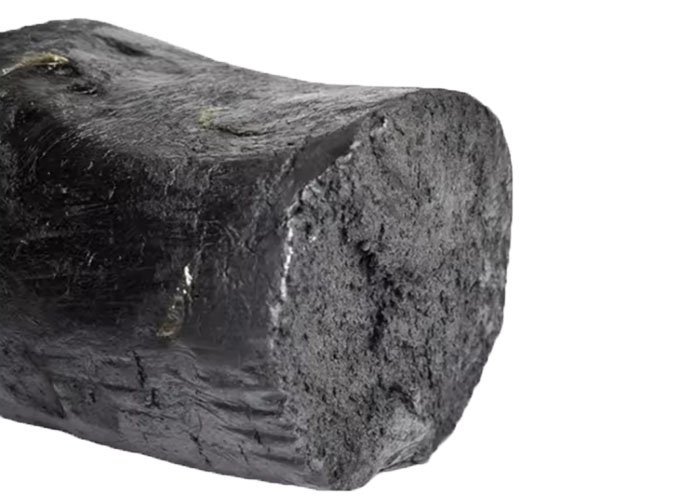
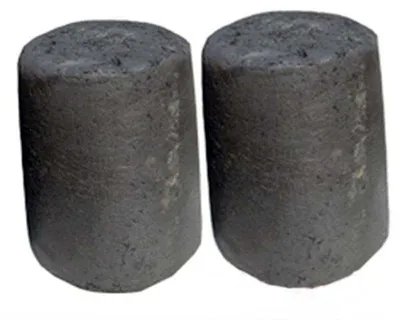
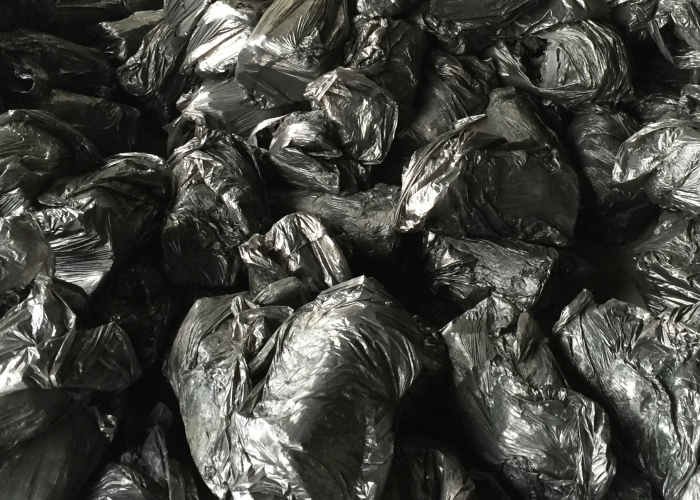
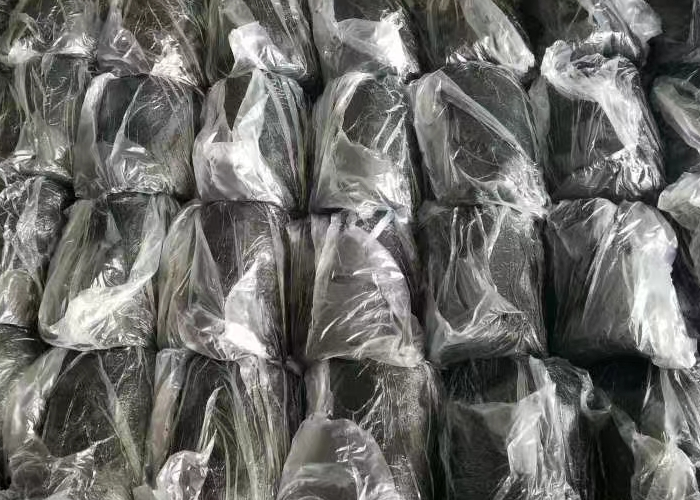
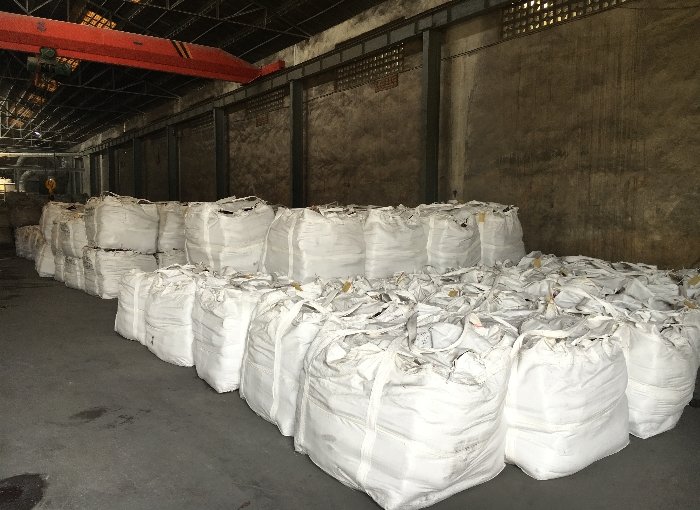
Tap-hole clay is a refractory material used to plug iron holes in ironmaking blast furnace, and its performance is directly related to the safe operation of blast furnace.
With the large scale of blast furnace, high wind pressure and discharge of a large amount of slag iron, the quality requirements of the gun-mud at the iron plug opening are getting higher and higher.
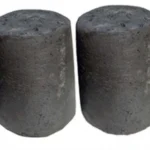

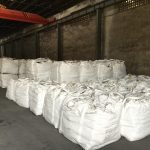
Main function
| range of application | large-scale stove | middle-sized stove | small and medium size stove | small size stove |
| chemical component | SiCAl3O2 | SiCAl3O2 | SiCAl3O2 | SiCAl3O2 |
| the largest particles | 60—65 | 60—65 | 55–60 | 55–60 |
|
Capacity after heating 1200 degrees for 3 hours(g/cm3) |
1.85 | 1.7 | 1.65 | 1.55 |
| apparent porosity(<) | 36 | 32 | 34 | 36 |
| compression strength
kg/cm2 |
94 | 119 | 110 | 95 |
| high temperature bending strength:kg/cm2 | 16.5 | 19 | 13.5 | 12.5 |
The taphole serves as the “lifeline” of a blast furnace—it is the only passage through which molten iron and slag are discharged during operation. After each tapping, the taphole must be promptly and effectively plugged to prevent heat loss, maintain furnace pressure, and allow molten material to accumulate for the next cast. Tap-hole clay is the critical material that fulfills this function.