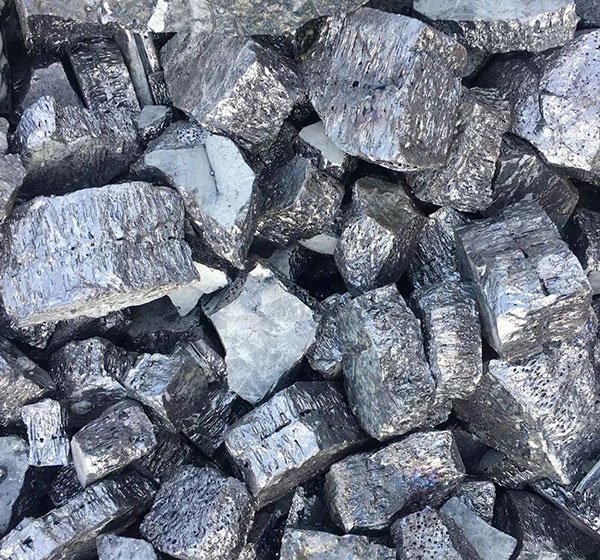
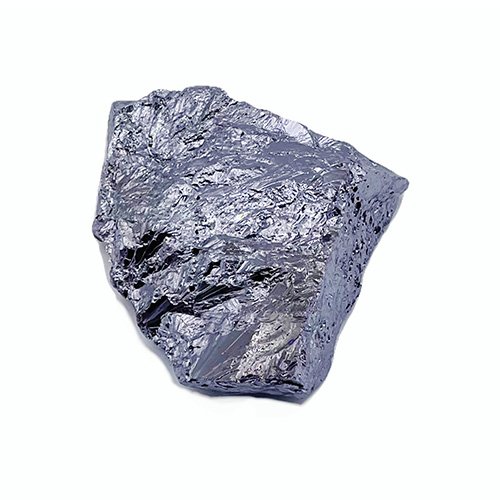
In the ferroalloy and metallurgical industry, silicon metal (industrial silicon) is a core raw material for aluminum alloys, organosilicon, and polysilicon. Most buyers focus solely on “price” while overlooking deeper, more critical factors.
As an experienced ferroalloy manufacturing plant, Beifang Alloy breaks down three key points that could impact your profit chain—are you really paying attention to them?
Most procurement contracts specify “Si > 99%,” but the real risk lies in the trace elements.
What you might miss: Imbalanced ratios of Fe, Al, and Ca can cause unstable reactivity in downstream products (e.g., organosilicon). Even with 99% purity, if the impurity profile is wrong, your melting furnace energy consumption could increase by 5–10%.
Beifang Alloy’s advice: Clearly define your end application. Is it for 3003 aluminum alloy (strict Fe requirements) or chemical-grade organosilicon (sensitive to P and B)? When requesting quotes, always ask for a detailed analysis report covering at least 5 impurity elements.
Industry research typically focuses on the wet season (June–October) in Yunnan and Sichuan, when production capacity surges. But you might be missing the risk of sudden power policy changes.
Data insight: In 2024–2025, electricity price cycles in Southwest China have shortened, while the supply stability under the northern “coal-power linkage” model is actually more reliable than in hydro-powered regions.
Your blind spot: Stockpiling solely because of low wet-season prices, while ignoring logistics bottlenecks and winter shipping cycles at northern ports. Once the southern dry season arrives early, the spot market often has “price but no supply.”
Beifang’s strategy: We recommend a “North-South hedge” procurement model. Beifang Alloy, located in the northern energy heartland, offers consistent production capacity unaffected by seasons—making us your strategic buffer against regional price volatility.
Are you comparing only “ex-factory prices”? That’s the biggest mistake.
Overlooked costs:
Size distribution: The standard is 10–100mm. But if fines (<5mm) exceed 5%, your burnout loss during melting increases significantly—that’s money burning away.
Packaging and moisture: Wet ton bags increase freight cost (charged by gross weight), and evaporating moisture in the furnace wastes thermal energy.
Beifang Alloy’s advantage: We offer customizable size screening and water-resistant ton bags. Our ex-factory price may not be the lowest on the market, but our total landed cost stands up to any financial audit.
To help you make an informed decision, we’ve categorized suppliers into three types:
| Comparison Dimension | Small Traders | Southwest Hydro-Powered Plants | Beifang Alloy |
|---|---|---|---|
| Supply Stability | Relies on re-trading, prone to shortages | Reduced output during dry season | Year-round stable, unaffected by seasons |
| Impurity Control | Cannot trace raw material sources | Acceptable but inconsistent | Precision customization (low Fe/low Ca/low P options) |
| Logistics Response | Third-party logistics, unreliable | Limited by mountainous terrain | Close to major ports/railways, 48-hour response |
| After-Sales Support | No technical support from traders | Provides only certificate of analysis | Application-level furnace condition optimization advice |
In today’s low-margin era for silicon metal, the competition is not about who buys cheaper, but who buys smarter and more reliably.
If you have experienced higher scrap rates due to trace element deviations in silicon metal, or production line stoppages due to supplier shortages—don’t miss these three key points.
Request the latest “Silicon Metal Procurement Best Practices Guide” or request a quote:
Website: www.beifangalloy.com
Email: info@hnxyie.com