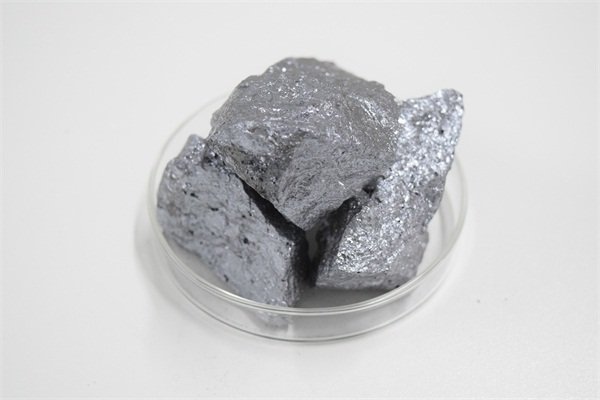
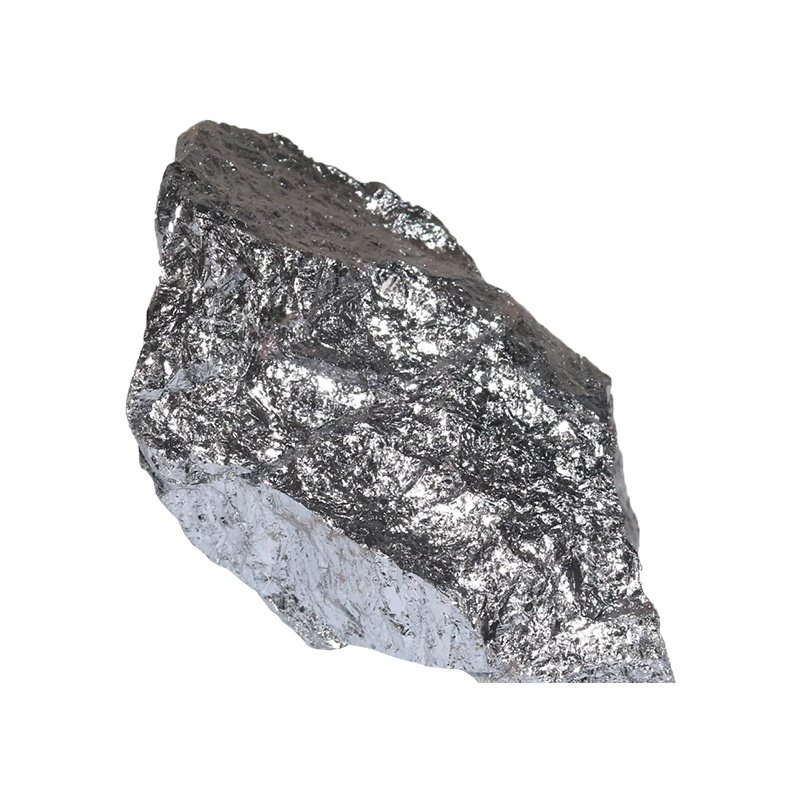
For photovoltaic enterprises, high-purity silicon—the core raw material for polysilicon production—is directly linked to production line stability and on-time order delivery. Against the backdrop of the industry’s ongoing “anti-involution” efforts and the expected stabilization and recovery of silicon material prices, ensuring a stable supply of high-purity silicon has become a critical factor for photovoltaic companies aiming to secure Q2 orders.
With the April 1st deadline for the photovoltaic export tax rebate policy window approaching, overseas orders are being pushed for centralized delivery. Simultaneously, the approaching “630” grid connection deadline for domestic photovoltaic projects is driving a phased surge in downstream demand.
According to data from Shanghai Nonferrous Metals (SMM), in March 2026, global cell production schedules for sampled Chinese enterprises rose 26% month-on-month, indicating a significant recovery in production enthusiasm. Cell inventories continue to decline, with overseas orders and orders from downstream traders becoming the primary sources of current demand.
In contrast to the recovery in demand, the polysilicon supply side is undergoing active contraction. Due to planned maintenance and production cuts by leading enterprises, along with reduced operating rates at certain facilities, polysilicon production has significantly declined after reaching a cyclical peak in October 2025. Overall supply for 2025 dropped substantially compared to peak levels in previous years.
With industry consensus firmly established, polysilicon manufacturers are resolute in their determination to stabilize prices. This means that even as downstream demand recovers, the polysilicon sector will not blindly expand production, and the supply-demand gap is expected to narrow further.
Polysilicon prices saw a significant quarterly increase in the third quarter of 2025, helping some companies reduce losses—a sign that the “anti-involution” efforts are beginning to yield results. Looking ahead to 2026, with continued production cuts and suspensions on the supply side, prices and profitability are well-positioned for stabilization and recovery.
For photovoltaic companies, now is a critical window to lock in high-purity silicon procurement costs. Once prices enter an upward trajectory, procurement costs will inevitably rise.
In 2026, “anti-involution” remains the central theme of the photovoltaic industry. The Standardization Administration of China has completed the drafting of three national standards, including the “Energy Consumption Limits per Unit Product for Polysilicon and Germanium.” Stricter energy consumption standards are expected to drive the gradual exit of existing capacity.
Capacity expansion in sectors such as wafers and modules is projected to stagnate in 2026, with some segments potentially experiencing production cuts. The alleviation of oversupply will drive industry consolidation toward leading players, with companies possessing advanced technology and strong cost control capabilities gaining a competitive edge.
While traditional markets such as China, Europe, and the United States are entering a plateau phase, emerging markets—including the Middle East, India, and Latin America—are expected to maintain rapid growth. Industry forecasts project global new photovoltaic installations to reach between 630 GW and 650 GW in 2026.
This shift means that the composition of overseas orders for photovoltaic companies is changing. Companies that can capitalize on emerging market opportunities will gain a competitive advantage in Q2 and the second half of the year. A stable and reliable supply chain is the cornerstone of success in these markets.
The global transition toward sustainability is driving the silicon industry to move beyond cost-based competition. Customers in the solar, electronics, and silicones sectors are increasingly inclined to procure low-carbon silicon to meet their own decarbonization commitments.
Producers that can leverage renewable electricity, improve furnace efficiency, and use biomass reducing agents are gaining a distinct competitive advantage. For photovoltaic companies, choosing a high-purity silicon supplier with low-carbon production capabilities is not just a cost consideration—it is a key element of ESG strategy.
High-purity silicon is the core raw material for producing solar-grade polysilicon, and its purity directly impacts cell conversion efficiency and service life. Key considerations include:
Silicon Content: High-quality high-purity silicon should maintain stable silicon content between 98% and 99.99%
Impurity Control: Impurities such as iron, aluminum, and calcium must be strictly controlled within specified limits
Batch Consistency: Suppliers should have stable production processes and quality control systems
In the current context of industry “anti-involution” and supply contraction, supply reliability holds greater strategic value than price alone. When evaluating suppliers, consider:
Production Capacity: Does the supplier’s capacity align with your order requirements?
Inventory Levels: Does the supplier maintain sufficient finished goods inventory to handle urgent orders?
Delivery Track Record: Historical on-time delivery rates and order fulfillment rates
As downstream customers place greater emphasis on carbon footprints, low-carbon high-purity silicon is commanding a premium. Suppliers with the following characteristics offer greater long-term partnership value:
Clean Energy Usage: Whether production relies on hydropower, wind power, or other clean energy sources
Energy Efficiency: Whether energy consumption per unit of product exceeds industry standards
Carbon Footprint Data: Ability to provide quantifiable product carbon footprint data
During the installation rush, time is a critical competitive factor. Ideal suppliers should offer:
24/7 Response Mechanism: Ability to quickly respond to inquiries and order requests
Flexible Logistics Solutions: Multiple shipping options to ensure timely delivery
Technical Support Capability: Ability to provide technical guidance on product usage
The global high-purity silicon market is characterized by a highly concentrated competitive landscape. China is the world’s largest producer and consumer of high-purity silicon, with a market size of approximately $3.58 billion in 2025, accounting for 42.1% of the global market.
Major international suppliers include:
| Supplier | Headquarters | Core Strengths |
|---|---|---|
| Ferroglobe | UK | Global footprint, supply chain stability |
| Elkem ASA | Norway | Low-carbon technology leadership |
| Hoshine Silicon | China | Significant scale advantages |
| Wacker Chemie | Germany | Superior product quality |
As a specialized ferroalloy manufacturer, Beifang Alloy (www.beifangalloy.com) offers the following distinct advantages in high-purity silicon supply:
We rigorously control every production stage, from raw materials to finished products, ensuring high-purity silicon with silicon content consistently above 99% and impurity indicators exceeding industry standards. Complete quality inspection reports are available for every batch.
Leveraging our comprehensive supply chain system and large-scale production capacity, we can provide stable product supply to customers during the installation rush, helping prevent production interruptions caused by raw material shortages.
We deeply understand the differentiated requirements of various photovoltaic customers for high-purity silicon. Based on customer process characteristics and application requirements, we can provide customized product specifications and packaging solutions.
In preparation for the Q2 order peak, we have activated a 24-hour sales service hotline (info@hnxyie.com) to ensure that customer needs receive prompt attention and processing.
The “630” installation rush is not only a test of photovoltaic companies’ production capabilities but also an examination of supply chain management. Against the backdrop of silicon material supply contraction and stabilizing prices poised for recovery, securing high-purity silicon supply in advance provides a crucial safeguard for on-time Q2 order delivery.
Beifang Alloy remains committed to providing photovoltaic customers with one-stop solutions for high-purity silicon procurement, backed by stable, reliable product quality and flexible, efficient supply capabilities. With the policy window rapidly closing, we invite you to contact us to prepare together for the Q2 order peak.
Beifang Alloy is a professional enterprise engaged in the R&D, production, and sale of ferroalloy products, including high-purity silicon, ferrosilicon, and metallic silicon, serving the photovoltaic, metallurgical, chemical, and other industries. Guided by the philosophy of “quality first, customer foremost,” we are dedicated to providing high-quality ferroalloy products and professional technical services to customers worldwide.
Contact Information
Website: www.beifangalloy.com
Email: info@hnxyie.com