As the global aluminum industry pivots toward sustainability, recycled aluminum (secondary aluminum) has become the cornerstone of low-carbon manufacturing. However, unlike primary aluminum, secondary aluminum comes with a complex chemical cocktail of impurities.
Among these, Silicon (Si) is the most critical double-edged sword. While it improves fluidity and strength in cast alloys, excessive or insufficient silicon levels can lead to scrapped batches, reduced mechanical properties, and significant financial loss.
At Beifang Alloy, we specialize in providing precise ferroalloy solutions to help smelters achieve perfect metallurgical balance. Below, we break down the four pillars of successful silicon management: Procurement Needs, Industry Research, Procurement Guide, and Supplier Comparison.
Before a single kilogram of recycled aluminum is melted, the procurement of scrap must be managed with the final chemistry in mind. The primary pain point for secondary smelters is the variability of silicon content in scrap.
Scrap Classification: Automotive scrap (engine blocks, wheels) typically contains high silicon (6-12%), while used beverage cans (UBCs) contain very low silicon (<0.2%).
The Risk: If you blend high-silicon scrap with low-silicon scrap blindly, you lose control of the alloy specification (e.g., 356.0 vs. 6061).
Our Recommendation: Establish strict procurement standards based on your target output. If you are producing A356 alloys, you need a consistent baseline of silicon from scrap. If you are producing pure aluminum wire rods, you must procure low-silicon scrap or be prepared to dilute heavily.
How Beifang Alloy Helps:
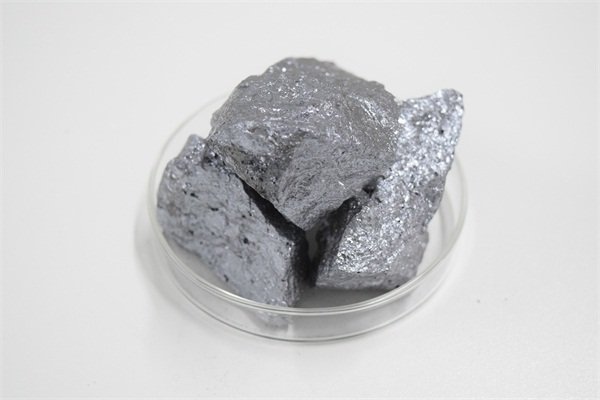
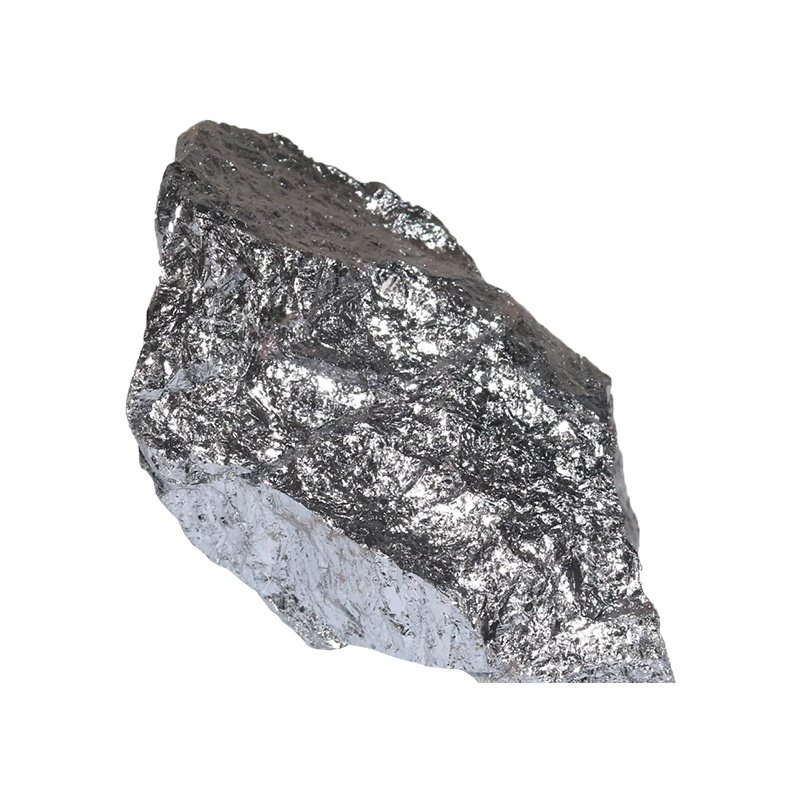
We assist clients in reverse-engineering their scrap mix. If your scrap input is too low in silicon, we supply high-purity Ferrosilicon or Silicon Metal to adjust upward. If your scrap is too high, we provide guidance on dilution strategies using our master alloys.
Recent industry research indicates that the supply of clean, segregated scrap (such as new manufacturing waste) is shrinking. Smelters are increasingly forced to utilize obsolete scrap—post-consumer waste that is contaminated with paints, polymers, and, most critically, mixed alloy chemistries.
Key Findings from 2024/2025 Metallurgical Studies:
Silicon Accumulation: Closed-loop recycling leads to the accumulation of silicon. Without controlled dilution, the “gene pool” of aluminum becomes hyper-saturated with Si, leading to brittle castings.
Energy Efficiency: Maintaining a precise silicon balance reduces melting energy. Optimal silicon levels (7-12%) lower the liquidus temperature, saving significant energy costs per ton.
Iron Tolerance: Silicon acts as a neutralizer for iron (the most detrimental impurity in recycled aluminum). By managing Si:Fe ratios (typically 2:1), smelters can prevent “sludge” formation (AlFeSi) that clogs furnaces and filters.
At Beifang Alloy, we continuously monitor these metallurgical trends to ensure our ferroalloy products—whether standard 75# Ferrosilicon or customized Silicon Briquettes—are optimized for the modern recycling stream.
When purchasing additives to balance silicon in recycled aluminum, technical specifications matter more than price. Here is your checklist for procurement:
Lump vs. Powdered: For furnace addition, lump ferrosilicon (10-50mm) minimizes oxidation loss. For injection into holding furnaces or for rapid dissolution, powdered or briquetted forms are superior.
Briquettes: At Beifang Alloy, we highly recommend silicon briquettes for secondary smelters. They offer uniform dissolution, reduced dust, and precise weight control compared to bulk lumps.
If you are making series alloys (high silicon): You need Silicon Metal (98.5% min) .
If you are making standard casting alloys (A356, A380): Ferrosilicon (75% Si) is the most cost-effective solution.
Impurity Control: Pay strict attention to Fe, Ca, and Al content in your silicon source. Contaminants in your additives compound the impurity issues already present in your scrap.
Not all silicon added makes it into the final melt. Oxidation (dross formation) is a hidden cost.
Standard Lump: 85-90% recovery.
Beifang Alloy Briquettes: Engineered for 95%+ recovery, reducing dross generation and improving yield.
Choosing the wrong ferroalloy supplier can destabilize your entire melt shop. Here is how Beifang Alloy compares to standard trading companies or local distributors.
| Feature | Standard Supplier | Beifang Alloy (The Expert) |
|---|---|---|
| Quality Control | Variable sourcing; inconsistent chemical specs. | Strict laboratory control. We guarantee uniform Si content and low impurity levels (P, S, C) to prevent contamination of recycled batches. |
| Customization | Standard lump sizes only. | Tailored solutions. We offer custom briquettes and granulated alloys designed for specific furnace types (induction vs. reverberatory). |
| Technical Support | Transactional; no metallurgical advice. | Collaborative. We analyze your scrap chemistry and provide a “Silicon Balance Formula” to optimize your additive ratio, minimizing waste. |
| Supply Chain | Unstable during market volatility. | Factory-direct integration. As a ferroalloy factory, we control production. We ensure stable supply even during tight market conditions. |
In the recycled aluminum industry, the margin between profit and loss is often measured in microns of chemistry. Silicon balance is not just a metallurgical requirement; it is the key to operational efficiency, energy savings, and final product certification.
Don’t let volatile scrap chemistry dictate your output quality. Partner with a supplier who understands the chemistry of the furnace.
Contact Beifang Alloy today.
Let us help you calculate your perfect silicon equilibrium.
Website: www.beifangalloy.com
Email: info@hnxyie.com