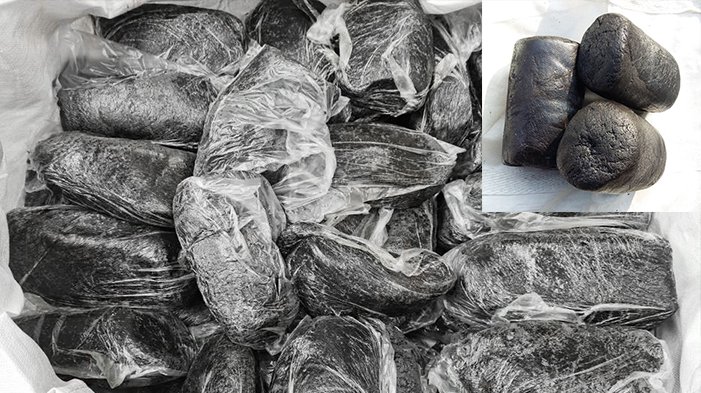
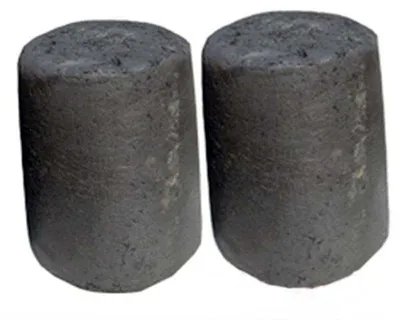
At Beifang Alloy, we understand that producing high-quality ferroalloys isn’t just about the metal—it’s about the resilience of your furnaces. The unsung hero behind every efficient smelting operation is refractory clay.
But what exactly is refractory clay used for, and why should procurement managers at ferroalloy factories care? Below, we break down the applications, industry research, and a strategic procurement guide to help you source smarter.
Refractory clay (also known as fire clay or chamotte) is a heat-resistant material with an alumina (Al₂O₃) content of 25-45%. Unlike standard clay, it withstands extreme temperatures (up to 1,500°C+) without deforming or melting.
Lining for Electric Arc Furnaces (EAF): It forms a protective barrier between the molten ferroalloy and the steel shell, preventing burn-through.
Runner & Taphole Repairs: Used to patch high-wear areas where molten metal flows out. Quick repairs mean less downtime.
Ladle Linings: Protects transfer ladles during tapping and pouring of high-carbon ferrochrome or ferrosilicon.
Covering & Insulation: Sprinkled over molten metal to reduce heat loss and oxidation.
Mortar for Brick Laying: Binds refractory bricks together, preventing slag infiltration.
Recent studies in pyrometallurgy show that 40% of unplanned furnace shutdowns are caused by refractory failure. In ferroalloy smelting (e.g., FeCr, FeMn, FeSi), the combination of high temperatures (1,600°C+) and alkaline slag is particularly aggressive.
Demand for High-Alumina Clay: Plants are shifting from standard fire clay (35% Al₂O₃) to high-duty clay (42-45% Al₂O₃) to extend campaigns by 20-30%.
Slag Resistance: Refractory clay with low Fe₂O₃ and TiO₂ content resists slag corrosion better, reducing refractory consumption per ton of alloy.
Sustainability: Leading factories now use recycled refractory clay in non-critical zones, cutting raw material costs by 15%.
Data Point: For every 1,000 tons of ferrosilicon produced, approximately 8-12 tons of refractory material are consumed in linings and repairs.
When sourcing refractory clay for a ferroalloy factory, don’t just ask for “fire clay.” Use these technical specifications to ensure quality:
| Parameter | Recommended Grade (Ferroalloy Use) | Why It Matters |
|---|---|---|
| Al₂O₃ Content | 38% – 45% | Higher Al₂O₃ = higher refractoriness. |
| Fe₂O₃ Content | < 2.5% | Lower iron reduces contamination risk. |
| Refractoriness | SK 32 – SK 35 (1,650°C+) | Must exceed your alloy melting point. |
| PCE (Pyrometric Cone Equivalent) | 30 – 34 | Measures heat resistance under load. |
| Plasticity | High (for moulding) vs. Medium (for mortars) | Match to your application (troweling vs. casting). |
Pro Tip from Beifang Alloy: Request a free lab test for slag resistance. A clay that works for a steel plant may fail in a high-silicon ferroalloy furnace.
Not all refractory clay suppliers serve the ferroalloy industry effectively. Many sell generic clay for bricks or pottery. Here is how to evaluate suppliers:
| Criteria | Basic Supplier | Preferred Supplier (for Beifang Alloy) |
|---|---|---|
| Industry Focus | General construction/ceramics | Ferroalloy & steel smelting |
| Quality Control | No batch-to-batch consistency | Certificates for Al₂O₃, Fe₂O₃, PCE |
| Supply Volume | Small lots (5-10 tons) | Bulk orders (50-200+ tons/month) |
| Technical Support | None | On-site guidance for taphole mixes |
| Lead Time | 30-45 days | 15-20 days with stock holding |
As a ferroalloy producer ourselves, we learned the hard way that cheap clay leads to expensive downtime. A single furnace relining costs more in lost production than the clay itself. Always prioritize:
Stable chemistry (not just low price)
Proximity to reduce freight costs (refractory clay is heavy: ~1.2–1.6 tons/m³)
Tested performance in actual ferroalloy conditions
At Beifang Alloy, we don’t just produce ferrosilicon, ferrochrome, and ferromanganese—we also connect our partners with reliable refractory suppliers we’ve vetted through years of operation.
📞 Contact our procurement team today for a customized refractory clay specification sheet or supplier list tailored to your furnace type.
Website: www.beifangalloy.com
Email: info@hnxyie.com