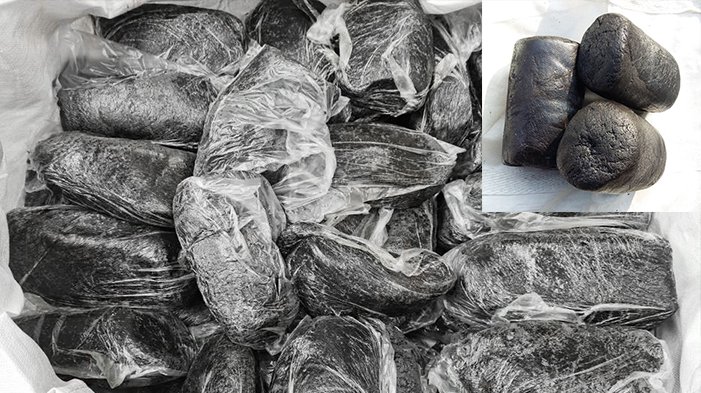
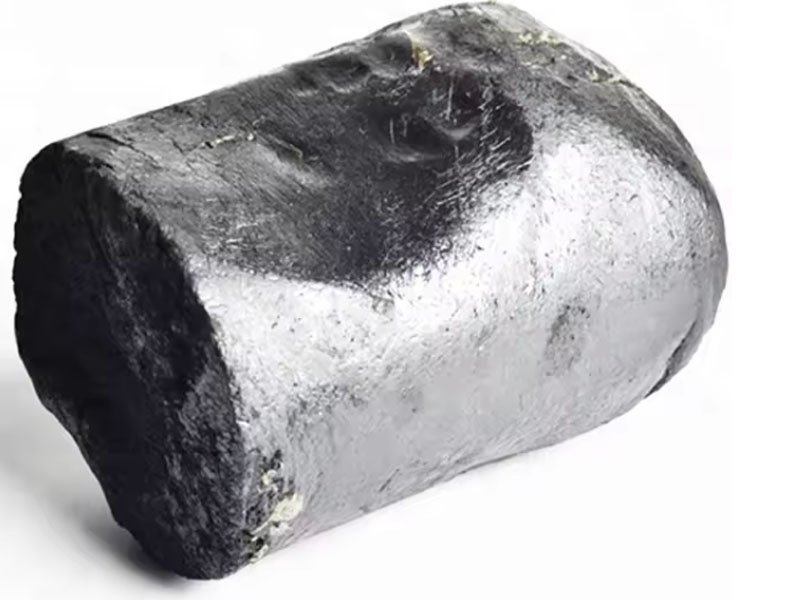
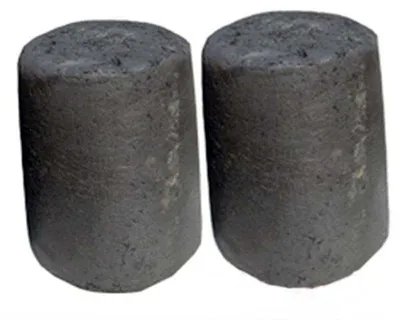
In the metallurgical and ferroalloy industries, clay is not just a raw material—it is a critical component in furnace linings, ladles, refractory bricks, and binding agents. Understanding the four main types of clay can dramatically improve your production efficiency, reduce downtime, and optimize procurement costs.
As a professional ferroalloy factory, Beifang Alloy provides this guide to help buyers and researchers make informed decisions.
| Clay Type | Key Minerals | Heat Resistance | Primary Use in Ferroalloy |
|---|---|---|---|
| Kaolin (China Clay) | Kaolinite | High (up to 1800°C) | Refractory bricks, porcelain insulators |
| Ball Clay | Kaolinite + illite | Medium-High | Binding agent, plasticizing refractory mixes |
| Fire Clay | Aluminosilicates | Very High (>1600°C) | Furnace linings, blast furnace troughs |
| Bentonite | Montmorillonite | Low-Medium | Pelletizing iron ore fines, foundry bonding |
Characteristics: White, low plasticity, chemically inert.
Ferroalloy role: Used in high-alumina refractory castables for ladle covers and tundish linings.
Characteristics: High plasticity, fine particle size.
Ferroalloy role: Improves green strength of refractory shapes; mixed with fire clay for better moldability.
Characteristics: High alumina content (25–35% Al₂O₃), excellent thermal shock resistance.
Ferroalloy role: Standard lining material for electric arc furnaces (EAF) producing ferrosilicon, ferromanganese, or ferrochrome.
Characteristics: Swells with water, strong colloidal properties.
Ferroalloy role: Binder in pelletizing fine ores and dust recycling processes.
At Beifang Alloy, we understand that your clay procurement must meet three critical needs:
Thermal stability: Fire clay must withstand >1500°C without spalling.
Chemical purity: Low iron and alkali content prevent slag corrosion.
Consistent plasticity: Especially for ball clay and bentonite, to ensure uniform refractory performance.
Pro tip: Always request an XRF (X-ray fluorescence) analysis report to verify Al₂O₃, SiO₂, Fe₂O₃, and alkali levels before purchase.
According to recent metallurgical studies (2023–2025):
Fire clay demand is rising in Southeast Asia and Africa due to new ferromanganese plants.
Bentonite prices are volatile due to its use in both steel pelletizing and oil drilling.
Kaolin is increasingly being replaced by synthetic mullite in ultra-high-performance refractories, but remains cost-effective for general use.
Beifang Alloy continuously monitors these trends to advise our clients on the best material substitutions for cost reduction.
| Application | Recommended Clay |
|---|---|
| Furnace hearth lining | Fire clay (30–38% Al₂O₃) |
| Ladle safety lining | Kaolin + fire clay blend |
| Ore pelletizing | Bentonite (sodium grade) |
| Repair mix for taphole | Ball clay + fire clay |
Fire clay: LOI (loss on ignition) <8%, Fe₂O₃ <2.5%
Bentonite: Swelling index >25 ml/2g, moisture <12%
Ball clay: Modulus of rupture >2.5 MPa dry
Clay is heavy and moisture-sensitive. Ensure your supplier provides:
Waterproof packaging (1–1.5 ton big bags)
Consistent particle size (90% passing 200 mesh for bentonite)
| Criteria | Low-Quality Supplier | Qualified Supplier (like Beifang Alloy’s partners) |
|---|---|---|
| Lab testing | No in-house lab | XRF, XRD, CEC (for bentonite) reports |
| Consistency | Variable Al₂O₃ content | Batch-to-batch certification |
| Delivery | Delayed, damaged bags | On-time, sealed containers |
| Technical support | None | Application guidance for furnace lining |
Why this matters for you: A 1% increase in Fe₂O₃ in fire clay can reduce your furnace lining life by 15–20%, directly increasing your ferroalloy production cost per ton.
Whether you are sourcing fire clay for EAF linings, bentonite for pelletizing, or kaolin for ladle refractories, Beifang Alloy connects you with verified, high-performance clay suppliers. We do not just sell ferroalloys—we help you optimize your entire raw material chain.
📞 Contact us today
🌐 www.beifangalloy.com
📧 info@hnxyie.com
Beifang Alloy – Ferroalloy expertise, extended to your refractory procurement.