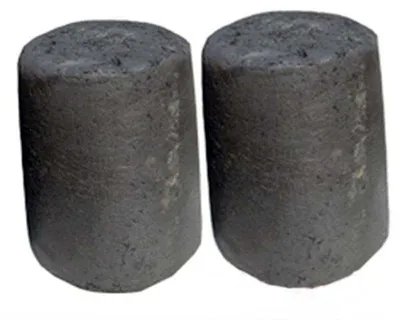
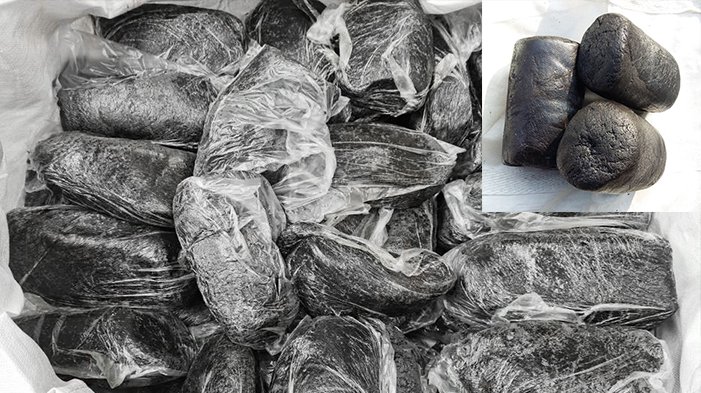
In the ferroalloy smelting process, the consumption of Tapholeclay (tap hole clay) per ton of alloy directly affects tapping efficiency, front-of-furnace operating costs, and overall production stability. Many companies find that no matter how hard they try, Tapholeclay consumption remains stubbornly high. Where exactly is the problem?
As a refractories solution provider specializing in the ferroalloy industry, Beifang Alloy analyzes the issue from the following four perspectives.
Many plants focus only on “price” when purchasing Tapholeclay, ignoring “compatibility.”
The Problem: Different furnace types, tap hole depths, and tapping frequencies require completely different levels of plasticity, sintering speed, and erosion resistance. If your procurement requirements only say “standard tap hole clay” without specifying:
Tapping temperature range (e.g., 1450°C–1550°C)
Required tap hole depth (≥1.8m or higher)
Single tapping duration (40 minutes or 90 minutes)
Then suppliers can only provide generic products, which often result in poor sealing or difficult opening—leading to repeated plugging and naturally higher consumption.
Beifang Alloy Suggestion:
Before issuing procurement requirements, complete a Tapholeclay Operating Parameters Sheet that clearly defines furnace temperature, tapping frequency, and tap hole maintenance intervals. This ensures every batch is properly matched to your conditions.
The ferroalloy industry is moving from traditional “clay-based tap hole clay” toward “high-alumina carbon composite + eco-friendly binders.”
Industry Pain Point:
Many companies still purchase low-grade tar-bonded tap hole clay. Although the per-ton price is lower, these products suffer from:
Insufficient high-temperature strength, leading to hole enlargement
Slow sintering speed, requiring repeated plugging
Increasing environmental pressure (VOC emissions)
Beifang Alloy Research Findings:
Using new low-porosity, high-flexural-strength Tapholeclay may increase the procurement cost per ton by 10%–15%, but consumption per ton of alloy can drop by 25%–30%. The overall furnace operating cost becomes lower.
👉 Conclusion: If your consumption isn’t dropping, you may still be buying “old products” using “old standards.”
Many procurement processes only compare “price per ton,” ignoring these critical indicators:
| Indicator | Why It Matters |
|---|---|
| Amount used per plugging (kg/time) | Directly reflects plasticity and sealing efficiency |
| Average tap hole life (heats/hole) | Shorter life means more frequent clay changes and higher consumption |
| Ease of opening | Difficult opening damages the tap hole mechanically, wasting clay |
| Slag erosion resistance | Poor resistance → faster hole enlargement → more clay needed to repair |
Beifang Alloy Procurement Guide Suggestion:
Require suppliers to provide actual usage data from ferroalloy furnaces over at least three months, not just laboratory reports. Also, include consumption KPIs in procurement contracts, using “clay consumption per ton of hot metal” as the evaluation unit (e.g., kg clay / ton of metal).
Let’s compare two typical types of suppliers:
| Comparison Aspect | Traditional Low-Price Supplier | Professional Ferroalloy Refractories Supplier (e.g., Beifang Alloy’s partners) |
|---|---|---|
| Product Customization Capability | None, only standard products | Customized formulations based on furnace type and tapping system |
| Technical Support | Delivery only, no furnace follow-up | On-site furnace training + consumption optimization suggestions |
| Warranty and Feedback | No consumption commitment | Can sign consumption KPIs; adjust formula or refund if not met |
| Long-Term Cost | High consumption, high labor intensity for furnace operators | Stable consumption, smoother furnace conditions |
Real Case Study:
A ferrosilicon plant originally used Supplier A’s Tapholeclay, with consumption of 3.8 kg per ton of metal. After switching to Beifang Alloy’s recommended custom high-alumina tap hole clay, consumption dropped to 2.5 kg per ton of metal within three months—a 34% reduction, saving over 400,000 RMB annually.
If your Tapholeclay consumption per ton just won’t go down, the problem is often not with the operators—it lies in:
Procurement needs that are unclear, leading to product mismatch
Industry research that lags behind, still using outdated formulations
Procurement guides that compare only unit price, ignoring consumption KPIs
Supplier comparisons that are insufficient, lacking technology-driven partners
Beifang Alloy
Specializing in refractory optimization for ferroalloy plants, providing end-to-end services from product selection to on-site follow-up.
🌐 Visit us: www.beifangalloy.com
📧 Business inquiries: info@hnxyie.com