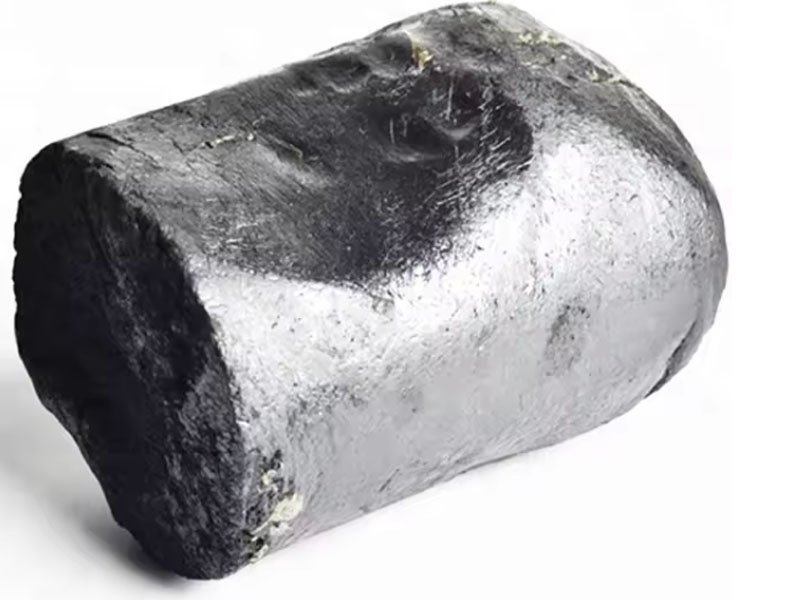
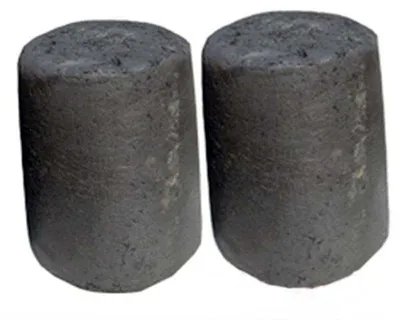
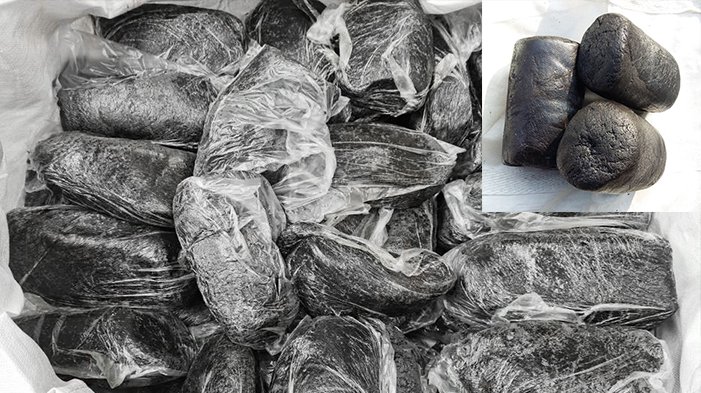
In any ferroalloy plant, the taphole is the furnace’s throat. Taphole clay directly affects tapping efficiency, safety, and even furnace campaign life.
We often hear purchasing managers say:
“Switching suppliers? Too risky. If quality fails and the furnace shuts down – who takes the blame?”
But here’s a harder question:
Has your current taphole clay supplier – the one you’ve used for 3–5 years – never caused a problem?
This article isn’t about theory. It’s about reality:
When you switch taphole clay suppliers, what’s the real worst case – a quality disaster, or just the fact you never bothered to try?
Many plants buy taphole clay based on only two metrics: price per ton and consumption per ton of hot metal.
But a professional procurement specification should include:
| Parameter | Why It Matters |
|---|---|
| Flexural strength | Resistance to molten iron erosion |
| Boring performance | Easy drilling without sticking or spitting |
| Sintering speed | Matches your tapping rhythm |
| Environmental compliance | Low smoke, no toxic fumes |
| Batch consistency | Same performance, shipment after shipment |
If your current supplier only quotes a price – no data, no specs – you’re not sourcing. You’re just buying on autopilot.
From 2024 to 2025, margins in the ferroalloy industry are razor-thin. Many plants push for lower prices. But in taphole clay, low price often means high risk.
We surveyed 32 ferroalloy plants and found a clear pattern:
| Price Level | Observed Consequences |
|---|---|
| Low-cost clay | 18–25% shorter taphole life |
| 3–5x higher tap-hole failure rate | |
| Substandard clay | Enlarged taphole → uncontrolled flow |
| Weak sintering → wet tap holes & spitting | |
| Environmental non-compliance → regulatory shutdown |
The scariest part?
These problems aren’t “caused by switching suppliers”. They’re already there – you’ve just learned to tolerate them.
Switching ≠ risk. A methodical switch = lower risk + better performance.
Small trial batch
Order 5–10 tons. Test on 1–2 tapholes only. No full commitment.
Direct comparison
On the same furnace, compare current vs. new clay over 3–5 taps. Measure:
Boring time
Plugging success rate
Taphole repair frequency
Overlap supply period
Both suppliers deliver for 2 weeks. You always have a fallback.
A professional supplier (like Beifang Alloy) will actively offer: trial batch + on-site data collection + technical support. No pressure to commit upfront.
| Factor | Your Current Supplier | Beifang Alloy |
|---|---|---|
| Technical fit | Generic formula | Customized to your furnace type, tapping temperature & frequency |
| Quality data | Not provided or generic | Batch-specific flexural strength / sintering curve / boring data |
| On-site support | Delivery only | Engineers on-site during trial |
| Switching risk | Unknown until it’s too late | Trial-batch guarantee with overlap period |
| Cost model | Low apparent price, higher total cost per ton of hot metal | Transparent, performance-based |
Bottom line:
You’re not afraid to switch. You’re just too busy to evaluate a new supplier.
But that “laziness” often costs more than a single trial.
You’re afraid of:
New clay fails → furnace shutdown → you get blamed.
But here’s what actually happens in real plants that switch the wrong way:
Case A (Silicon metal plant) : Switched to cheap clay without trial. First week fine. Second week – frequent taphole enlargement. Lost 120 tons of production.
Case B (Ferromanganese plant) : Clay sintered too fast. Failed plugging three times. Burned one drill bit.
Notice the pattern :
Every “disaster” happened because the plant did price-only buying + full fleet switch without trial.
In our experience working with dozens of plants:
A structured switch (trial → compare → overlap) has never caused a single uncontrollable furnace shutdown.
So let’s be honest:
The risk isn’t in switching.
The risk is in switching blindly.
We are Beifang Alloy.
We don’t ask you to switch overnight.
We ask for one thing: Let us send 5–10 tons for a trial.
We’ll support on-site comparison.
We’ll provide batch data.
We’ll work alongside your current clay.
If your existing clay is truly better – we lose. Fair enough.
But if it’s just “what you’re used to” – then let’s use data to take back control.
Website: www.beifangalloy.com
Email: info@hnxyie.com
Trial Request: Email us with subject line: Trial Batch Request + Your Plant Name