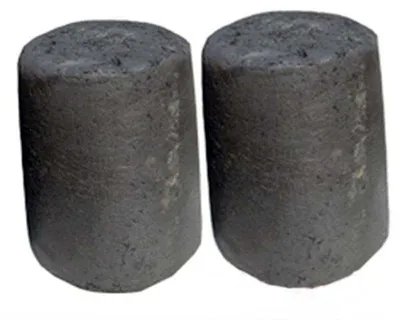
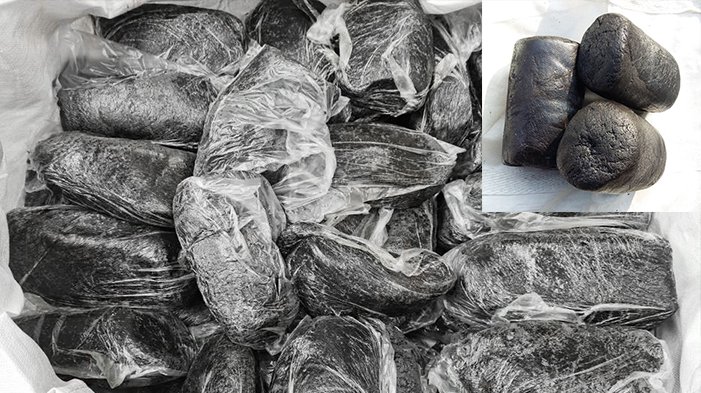
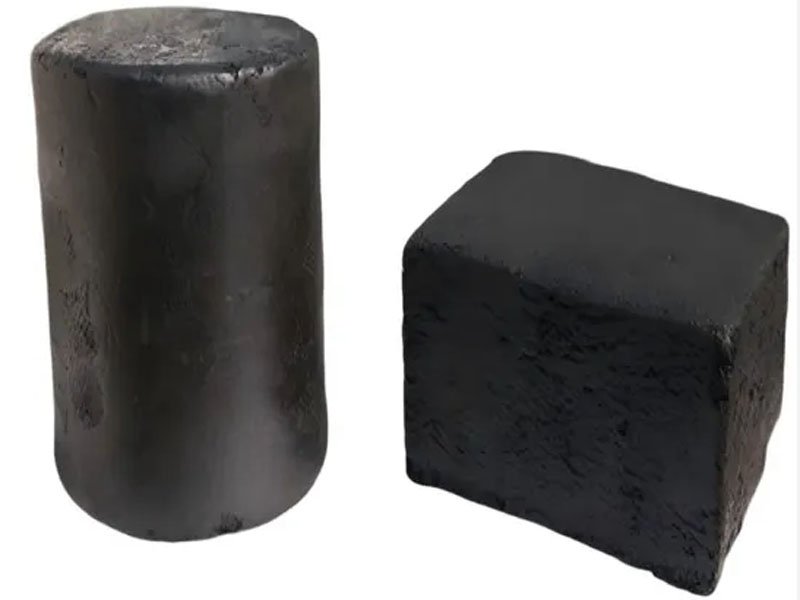
In ferroalloy smelting, taphole clay is a core consumable for plugging the taphole and maintaining stable blast furnace or submerged arc furnace operation.
Recently, many furnace foremen and purchasers have been debating:
*If a taphole clay costs 100 RMB/ton less than your current one, but forces you to close the taphole two extra times per day and burn two extra oxygen lances to reopen it – does that make financial sense?*
At Beifang Alloy, a ferroalloy factory with years of furnace-floor experience, we don’t hype or criticize. We just do the math.
Many buyers choose low-cost clay to reduce “procurement cost.” But in a ferroalloy plant, procurement cost ≠ usage cost.
Two core needs must be clear:
Taphole depth stability: Good clay provides moderate sintering strength, stable taphole depth, and smooth tapping.
Furnace floor operability: Fewer tap hole closings/openings means lower labor intensity and less consumption of auxiliary materials like oxygen lances and drill rods.
If cheap clay leads to “unable to seal” or “difficult to open,” it has already failed its purpose.
To get accurate numbers, let’s use a typical 300-ton/day ferroalloy furnace as a benchmark.
Baseline (Good-Quality Clay):
Unit price: 1,000 RMB/ton
Monthly consumption: 20 tons
Closings per day: 3 times
Oxygen cost per lance: 50 RMB
Variable Group (Cheap/Poor-Quality Clay):
Unit price: 900 RMB/ton (100 RMB cheaper)
Due to poor plasticity and low erosion resistance, it causes taphole enlargement or blowouts → 2 extra closings per day.
Let’s compare the total monthly cost:
Good clay: 20 tons × 1,000 RMB = 20,000 RMB/month
Cheap clay: 20 tons × 900 RMB = 18,000 RMB/month
*Surface result: Saving 2,000 RMB/month.*
What do “2 extra closings” actually mean?
Increased clay consumption: Each closing uses ~0.05 tons of clay. Two extra closings/day = 3 extra tons/month.
Actual monthly consumption of cheap clay = 23 tons × 900 RMB = 20,700 RMB
At this point, the cheap clay has already surpassed the good clay in procurement cost.
Two extra oxygen lances per day: 60 extra lances per month.
Added oxygen cost: 60 lances × 50 RMB = 3,000 RMB
| Cost Item | Good Clay (1,000 RMB/ton) | Cheap Clay (900 RMB/ton – 100 cheaper) |
|---|---|---|
| Monthly material cost (at 20t) | 20,000 RMB | 18,000 RMB (looks cheaper) |
| Actual monthly consumption | 20 tons | 23 tons (due to extra closings) |
| Actual clay expenditure | 20,000 RMB | 20,700 RMB |
| Oxygen cost (baseline 50 RMB/lance) | (3 closings×30days×50) = 4,500 RMB | (5 closings×30days×50) = 7,500 RMB |
| Total monthly production cost | 24,500 RMB | 28,200 RMB |
Result:
A 100 RMB/ton cheaper price leads to 3,700 RMB MORE in total monthly production costs.
Cost per ton of hot metal:
Good clay: ~0.27 RMB/ton
Cheap clay: ~0.31 RMB/ton
Conclusion: Not only did you not save, but you lost an extra 0.04 RMB per ton of hot metal – and your workers are exhausted.
As a professional ferroalloy manufacturer (Beifang Alloy), we recommend following these three principles:
When signing contracts, consider including clauses that guarantee taphole qualification rates or consumption per ton of hot metal. If a supplier hesitates to commit to closing frequency, beware of the low-price trap.
During on-site trials, focus on:
Opening: Is it easy to drill? Too hard = more oxygen; too soft = runout risk.
Tapping: Does it resist erosion? Is the tapping duration stable?
The formula is simple:
(Monthly clay purchase cost + Monthly oxygen cost + Monthly drill rod cost) / Monthly output
Only when this number goes down does your profit truly go up.
At Beifang Alloy, we have repeatedly rejected taphole clays that are “100 RMB cheaper.” Because we know:
Every minute on the furnace floor affects power consumption and output.
Two extra closings disrupt the smelting rhythm.
Two extra oxygen lances threaten worker safety.
The 100 RMB saved doesn’t even cover a fraction of the production loss.
Beifang Alloy (www.beifangalloy.com) is a professional ferroalloy manufacturer. We not only provide high-quality ferroalloy products (such as ferrosilicon, ferromanganese, etc.) but are also committed to offering scientific recommendations for furnace floor consumables.
Want more solutions to optimize your furnace floor costs?
📧 Email us at: info@hnxyie.com
📞 Welcome to visit our factory and discuss true cost reduction together.