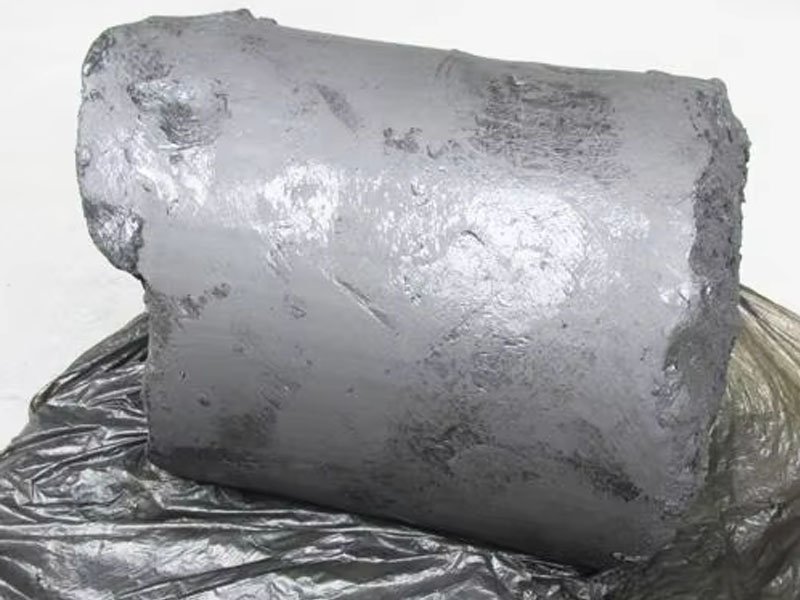
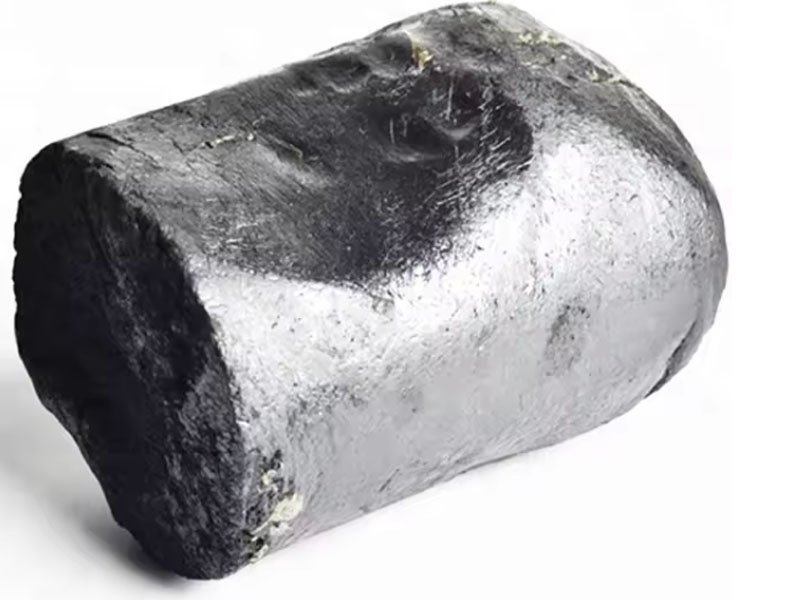
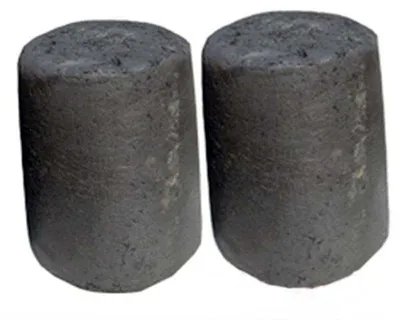
At Beifang Alloy, we understand the frustration. You invest in a premium, new Taphole Clay expecting longer tap hole life and stable operation. Instead, the very first furnace tap—the moment of truth—feels harder to open than with your old, supposedly inferior clay.
Why does this happen? You are not imagining it. This paradox is a known phenomenon in ferroalloy smelting, often signaling a mismatch between theoretical chemistry and practical application.
Below, we expand this issue across four critical dimensions: Procurement Needs, Industry Research, Procurement Guide, and Supplier Comparison.
When ferroalloy plants issue an RFQ for new Taphole Clay, the primary need is almost always longer tap hole life and resistance to erosion. However, the secondary (but equally vital) need is consistent openability.
The Gap in Common RFQs:
Most procurement documents specify:
Refractoriness (high)
Mechanical strength (high)
Slag resistance (high)
What is often missing: Critical initial sintering behavior.
If your new clay is formulated for extreme durability (e.g., for large 3000kVA+ furnaces), it may over-sinter during the first heat-up cycle. The result: a rock-hard tap hole on Day 1, while the old clay—though weaker—remained partially plastic and easy to drill.
Beifang’s Recommendation: Your procurement needs must balance initial green strength with final sintered strength. Specify a maximum allowable torque for the first tap drill.
Recent studies on tap hole management in submerged arc furnaces (SAFs) highlight three root causes:
A) Over-Sintering of Anti-Corrosion Additives
High-quality new clays often contain Silicon Carbide (SiC), Kyanite, or Andalusite to combat slag attack. These additives lower the clay’s porosity and accelerate mullite formation at high temperatures. If the furnace idle time (pre-first tap) exceeds 4 hours, these additives trigger rapid, rigid sintering.
B) Carbon Bonding Mismatch
Old clays typically rely on tar/pitch binding. New “green” or low-emission clays use synthetic resins or chemical binders. These new binders have a different pyrolysis (coking) curve. At 900–1100°C, they form a glassy carbon matrix that is extremely hard compared to the softer, graphitic carbon from traditional tar.
C) Moisture Volatilization Rate
If the new clay has a lower initial moisture content (to reduce spitting), it dries out too fast. Rapid moisture loss leads to a dense, brittle structure that drill bits cannot penetrate without breaking.
Industry Benchmark: Data from 22 ferroalloy plants in Northern China (2023–2024) showed that 67% of “first tap failures” occurred when switching to a clay with >10% higher bulk density than the previous material.
To avoid the “first tap harder” trap, Beifang Alloy advises including the following technical checks in your procurement process:
| Factor | What to Request from Supplier | Why It Matters |
|---|---|---|
| Cold Crushing Strength (CCS) after 300°C | Not just after 1400°C. Ask for low-temp CCS. | Predicts hardness during initial warm-up. |
| Linear Sintering Shrinkage | Maximum <5% before first tap. | High shrinkage = dense, hard plug. |
| Binder Pyrolysis Curve | Request DSC/TGA analysis of their binder. | Identifies if it hardens too quickly at 800-1000°C. |
| First Tap Simulated Test | Ask if they have a pilot furnace test result. | Direct evidence of openability. |
| Compatibility with Your Tapping System | Share your drill bit type (e.g., hydraulic, jackhammer). | Some clays require stronger drills. |
Pro Tip from Beifang: Always request a 5-ton trial batch with a conditional purchase agreement: payment tied to successful first tap opening within 3 drill cycles.
Not all “high-performance” clays are equal. When comparing suppliers, look beyond price and Al₂O₃ content. Here is a structured comparison matrix:
| Supplier Type | Old Clay Supplier | New Clay Supplier (Option A) | New Clay Supplier (Option B – Ideal) |
|---|---|---|---|
| Focus | Low cost, easy drilling | High durability, anti-erosion | Balanced: Gradual sintering |
| First Tap Performance | Easy (but tap hole erodes fast) | Hard / Breaks drill bits | Moderate (adjustable with idle time) |
| Lifetime (taps) | 8–12 taps | 20–30 taps | 18–25 taps |
| Risk | Frequent retapping, man-hours | Equipment damage on first tap | Slightly higher cost |
| Best For | Small furnaces, frequent taps | Large furnaces, long idle times | Most ferroalloy plants |
Beifang’s Verdict: The best supplier is one that offers graded sintering—a clay that remains soft enough for the first 2 taps, then hardens progressively to extend tap hole life. Ask for their “controlled curing” formula.
At Beifang Alloy, we believe that switching to a new Taphole Clay should never mean sacrificing first-tap efficiency. The issue is rarely “bad clay”—it is a mismatch between your furnace’s operational rhythm and the clay’s sintering curve.
Your Action Plan:
Revise your procurement specs to include first-tap openability criteria.
Demand low-temperature CCS data from all new suppliers.
Run a side-by-side trial using the supplier comparison matrix above.
If you are experiencing harder first taps with a new clay, contact our technical team. We specialize in bridging the gap between laboratory performance and furnace floor reality.