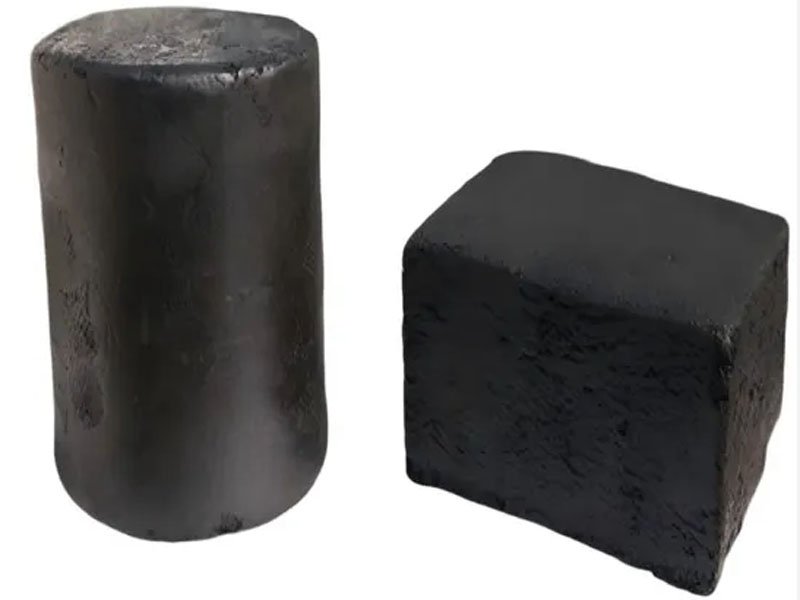
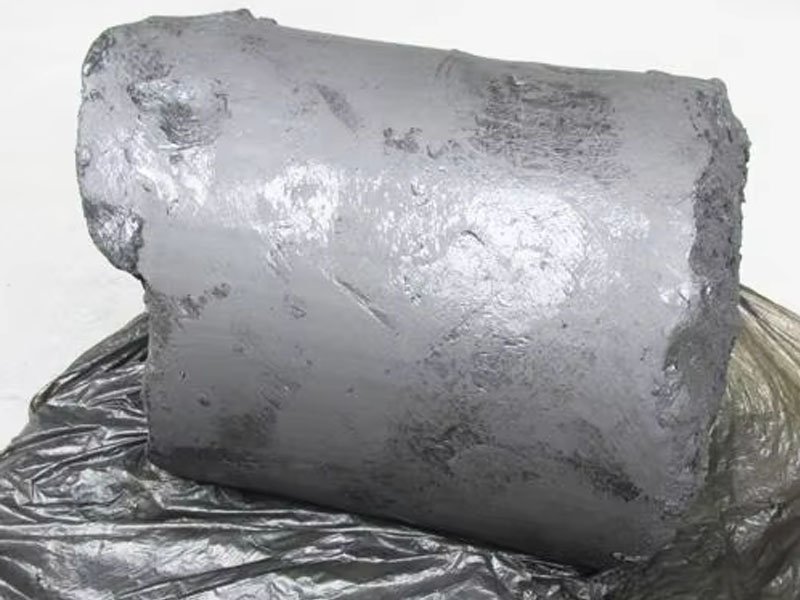
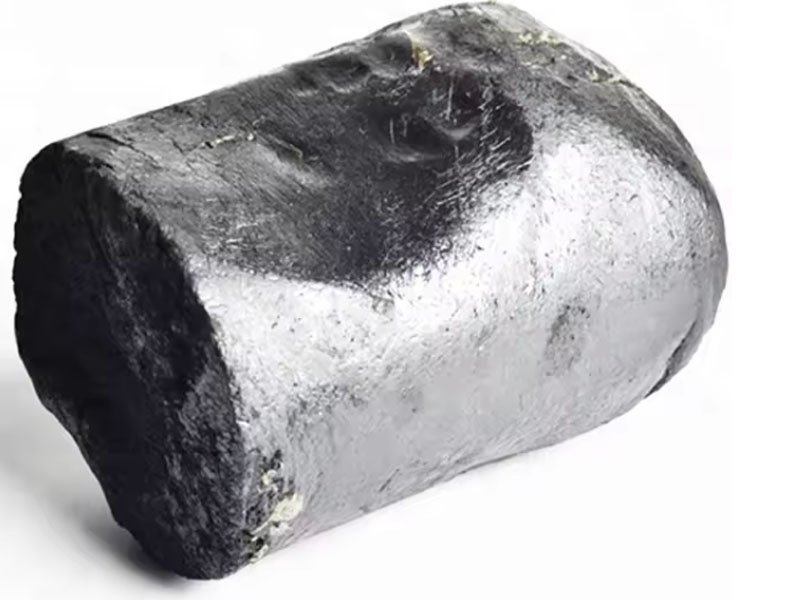
In ferroalloy smelting, the taphole is the “throat” that determines whether production runs smoothly. One of the most frustrating phenomena we often encounter is taphole depth fluctuating without apparent reason—sometimes so deep that tapping becomes difficult, other times so shallow that iron leaks dangerously.
When this happens, most site engineers instinctively adjust furnace parameters: more coke, different air pressure, modified slag system. But as experienced ferroalloy professionals, we suggest a different approach: Before spending significant effort tuning the furnace, first examine the unassuming but critical taphole clay.
Many ferroalloy plants focus only on price and delivery speed when purchasing taphole clay, overlooking the fact that taphole clay is a technical, customized product that must precisely match furnace conditions.
Different furnace volumes, tap frequencies, and slag systems (acidic/basic) demand completely different clay properties. If the clay’s sintering speed, flexural strength, and volume stability are misaligned with your furnace, stable taphole depth will remain out of reach.
Beifang Alloy Insight: The essence of taphole clay is “controlled destruction”—it must open cleanly during tapping while building immediate strength after plugging. When procuring, always request two core indicators: high-temperature flexural strength and linear change rate.
The physical formula for taphole depth can be simplified as:
Taphole Depth ∝ Clay’s Erosion Resistance ÷ Iron/Slag Flow Velocity
When depth fluctuates wildly, there is only one reason: the clay’s erosion rate has lost balance with the taphole channel’s wear rate.
Too shallow: Clay sinters too slowly or lacks high-temperature strength, leading to rapid erosion after plugging—no mud bank forms.
Too deep (difficult to open): Clay sinters too quickly or has excessive expansion, causing the mud bank to overgrow or even sinter with the hearth carbon bricks.
Industry Truth: Approximately 60% of taphole fluctuation issues originate from unstable or incorrectly selected taphole clay—not from poor furnace conditions. Blindly adjusting furnace parameters only masks the problem and may lead to hearth sidewall erosion or tapping difficulties.
We recommend ferroalloy enterprises follow this 3-step screening method when procuring taphole clay:
Step 1: Match Operating Conditions (Most Important)
Large submerged arc furnaces (≥25,500 KVA): Prioritize high flexural strength, slow-sintering clay for extended tap durations.
Small to medium furnaces: Choose fast-drying, fast-strength clay for frequent plugging cycles.
High-silicon/high-carbon products: Watch for aggressive chemical erosion from fluid slag/metal—requires high-density composite clay.
Step 2: Verify Performance (Do Not Skip)
Request high-temperature flexural strength at 1400°C (recommended ≥ 5 MPa).
Request linear change rate after firing at 1000°C (ideal range: 0 to +0.5%—negative shrinkage risks iron leakage).
Step 3: On-Site Quick Test (Real-World Proof)
Observe smoking duration within 30 minutes after plugging: excessively long smoking indicates high porosity.
Monitor mud gun pressure stability: fluctuating pressure suggests poor clay plasticity.
Here is a comparison of common taphole clay supplier types in the ferroalloy industry:
| Criteria | Type A: Generic Supplier | Type B: Trader/Assembler | Type C: Customized by Operating Conditions (Recommended) |
|---|---|---|---|
| Technical Capability | Only sells standard products, no ferroalloy process knowledge | No technical expertise, pure resale | Adjusts formulation based on furnace volume, product type, slag system |
| Quality Control | High batch-to-batch variation | Unclear origin, poor stability | Fixed raw materials, batch retention and testing |
| Response to Fluctuating Depth | Blames customer’s furnace conditions | Cannot provide analysis | Sends engineers on-site to analyze sintered and eroded layers |
| Cost-Effectiveness | Seems cheap, but high cost per ton of iron | High risk, prone to iron runout accidents | Slightly higher unit price, but stabilizes furnace operation and increases yield |
Beifang Alloy’s Choice: We never treat taphole clay as a simple refractory purchase. Instead, we regard it as an integral part of the casthouse process. Our clay suppliers must have the service capability to respond to taphole anomalies within 24 hours.
Back to the original question: When taphole depth fluctuates wildly, what is your first reaction?
As ferroalloy professionals who have handled countless emergency taphole repairs, our advice is: Check the taphole clay first, then evaluate furnace conditions. Use the elimination method. Try a batch of stable, well-matched taphole clay for one furnace campaign. You may find that the furnace problems that once caused endless headaches disappear completely.
Beifang Alloy is committed to supporting ferroalloy peers with everything from taphole clay selection to casthouse process optimization. If taphole issues are troubling you, or if you would like a customized Taphole Clay Performance Diagnostic Report for your specific furnace type, please contact us.
www.beifangalloy.com
info@hnxyie.com
Beifang Alloy—Making every taphole precisely controllable.