In continuous casting production, submerged entry nozzle (SEN) clogging is a persistent challenge that directly impacts production efficiency and billet quality. Nozzle clogging not only restricts molten steel flow rate and reduces the number of heats per sequence, but in severe cases, it can cause production interruptions, leading to increased scrap rates and soaring production costs. Even more frustrating is that despite process adjustments such as calcium treatment, clogging phenomena recur repeatedly in certain steel grades—sometimes addressing one issue only to trigger another.
What is the essence of nozzle clogging?
Research indicates that nozzle deposits primarily consist of high-melting-point deoxidation products, such as Al₂O₃, SiO₂, and complex oxides (Ca, Si, Mn, Al). In aluminum-killed steel production, Al₂O₃ inclusions are the primary “culprit” behind clogging—with a melting point of approximately 2050°C, they readily adhere to and accumulate on the nozzle inner wall, progressively obstructing the flow.
However, the problem extends beyond aluminum-killed steels. Even in Si-Mn-killed steels where aluminum is not used for deoxidation, clogging still occurs. Studies have found that deposits in these cases contain higher proportions of SiO₂ and complex oxides. The root cause lies in the characteristics of the deoxidation products—when the proportion of high-melting-point inclusions in the steel is elevated, these inclusions tend to be exposed at the interface between molten steel and refractory material, reducing the wetting angle and accelerating their adhesion and accumulation on the nozzle inner wall.
Therefore, the key to solving nozzle clogging is not merely selecting appropriate refractory materials or adjusting casting parameters—it lies in optimizing inclusion morphology and melting point at the deoxidation stage itself. This is precisely where the core value of Ca-Si-Mn deoxidizer resides.
Recent studies have demonstrated that nozzle clogging is directly related to the phase structure and distribution morphology of inclusions in steel. When high-melting-point phases (such as Al₂O₃ and SiO₂) are exposed on the inclusion surface, they are more prone to adhere to the nozzle inner wall. Conversely, if the high-melting-point core is encapsulated by a low-melting-point phase (such as calcium silicates), forming a “core-shell” structure, the adhesion tendency can be significantly reduced.
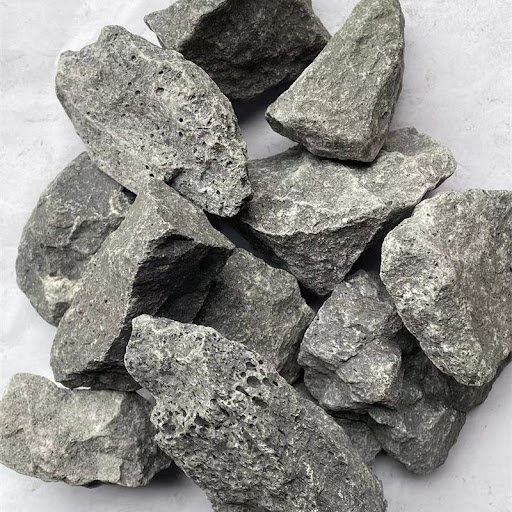
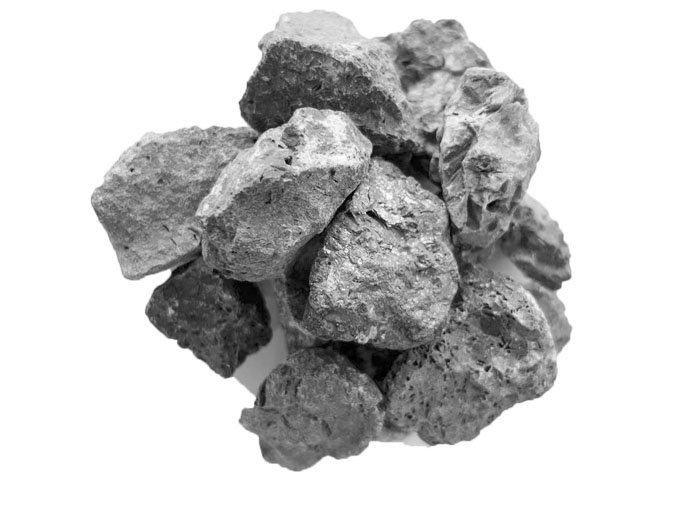
The mechanism of Ca-Si-Mn deoxidizer operates precisely on this principle: the calcium element it provides modifies high-melting-point inclusions in the molten steel, transforming them into low-melting-point calcium aluminates or calcium silicates, thereby improving inclusion morphology and distribution; the manganese element enhances the fluidity of deoxidation products, promoting their flotation and removal; the silicon element contributes to pre-deoxidation and alloying.
One steel plant increased its continuous casting sequence length by 47% through optimized deoxidation practices.
The consumption rate of Ca-Si-Mn deoxidizer is approximately 3–5 kg per ton of steel, effectively shortening refining time and reducing power consumption while ensuring deoxidation performance.
Compared to single-component ferrosilicon or ferromanganese deoxidation, the alloy recovery rate of Ca-Si-Mn composite deoxidizer can be improved by 10%–20%.
Given the varying quality of Ca-Si-Mn products available on the market, purchasers should evaluate suppliers rigorously across the following dimensions:
| Component | Premium Reference Range | Function |
|---|---|---|
| Ca | 21–30% | Core element for desulfurization and inclusion modification; below 20% yields unsatisfactory modification results |
| Si | 15–23% | Pre-deoxidation and alloying |
| Mn | 7–13% | Improves fluidity and optimizes melting point matching of deoxidation products |
| Al | ≤ 3–8% | Moderate amounts enhance deoxidation; excessive amounts increase Al₂O₃ inclusion risk |
| P / S | ≤ 0.05% each | Harmful impurities; lower is better |
Procurement Note: Calcium content is the primary indicator for evaluating Ca-Si-Mn product quality. Products with calcium content below 20% lack sufficient capability to modify high-melting-point inclusions, making them inadequate for effectively alleviating clogging issues.
Particle Size: Select appropriate particle size (e.g., 1–12 mm) based on steelmaking process requirements—overly fine particles lead to high oxidation loss, while overly coarse particles result in uneven melting.
Melting Point: Premium products feature relatively low melting points and rapid melting rates, allowing quick formation of liquid deoxidation products and shortened refining time.
Operational Safety: Fume-free and flame-free products are more conducive to environmental compliance and safe handling.
Quality Consistency: Are third-party inspection reports provided for each batch?
Production Capacity: Does the supplier have stable raw material sources and scalable production capabilities?
Technical Support: Can the supplier provide tailored usage recommendations based on steel grade and furnace type?
Supply Reliability: Can the supplier ensure on-time delivery to avoid disrupting production schedules?
Beifang Alloy Co., Ltd., as a professional ferroalloy manufacturer, offers the following core advantages in Ca-Si-Mn deoxidizer production:
| Comparison Dimension | Beifang Alloy | Ordinary Suppliers |
|---|---|---|
| Composition Control | Strict compliance with national standards and customer specifications; Ca content consistently stabilized at 25–30% | Wide composition fluctuations; calcium content frequently fails to meet specifications |
| Raw Material Sourcing | Self-owned mines + long-term cooperative mining enterprises; fully traceable origin | Outsourced raw materials; inconsistent quality |
| Production Process | Modern electric furnace smelting with automated process control | Small-scale, workshop-style production; quality varies considerably |
| Testing Capability | Equipped with optical emission spectrometer and C/S analyzer; batch-by-batch inspection | No in-house testing capability or only random sampling |
| Technical Service | On-site application guidance and process optimization recommendations available | Product sales only; no technical support |
| Supply Capacity | Thousands of tons monthly production capacity, ensuring uninterrupted production needs | Limited capacity; unstable delivery schedules |
Beifang Alloy Commitment: Every batch of Ca-Si-Mn deoxidizer is accompanied by a detailed assay certificate, ensuring that chemical composition and particle size conform to contractual specifications. Our products effectively improve molten steel fluidity, assist steel plants in overcoming continuous casting nozzle clogging challenges, and enhance billet quality and finished product yield.
Recurrent nozzle clogging in continuous casting is often a signal of “hidden pain” within the deoxidation process. Ca-Si-Mn deoxidizer, with its comprehensive advantages of composite deoxidation, inclusion modification, and improved molten steel fluidity, has become a practical choice for an increasing number of steel plants seeking to resolve clogging issues.
Choosing Beifang Alloy’s Ca-Si-Mn deoxidizer means selecting not just a product, but a partner dedicated to the ferroalloy sector—driven by technology and service to deliver customer value.
Beifang Alloy Co., Ltd.
Website: www.beifangalloy.com
Email: info@hnxyie.com