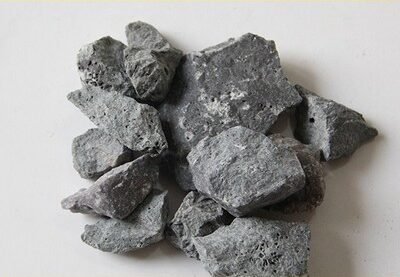
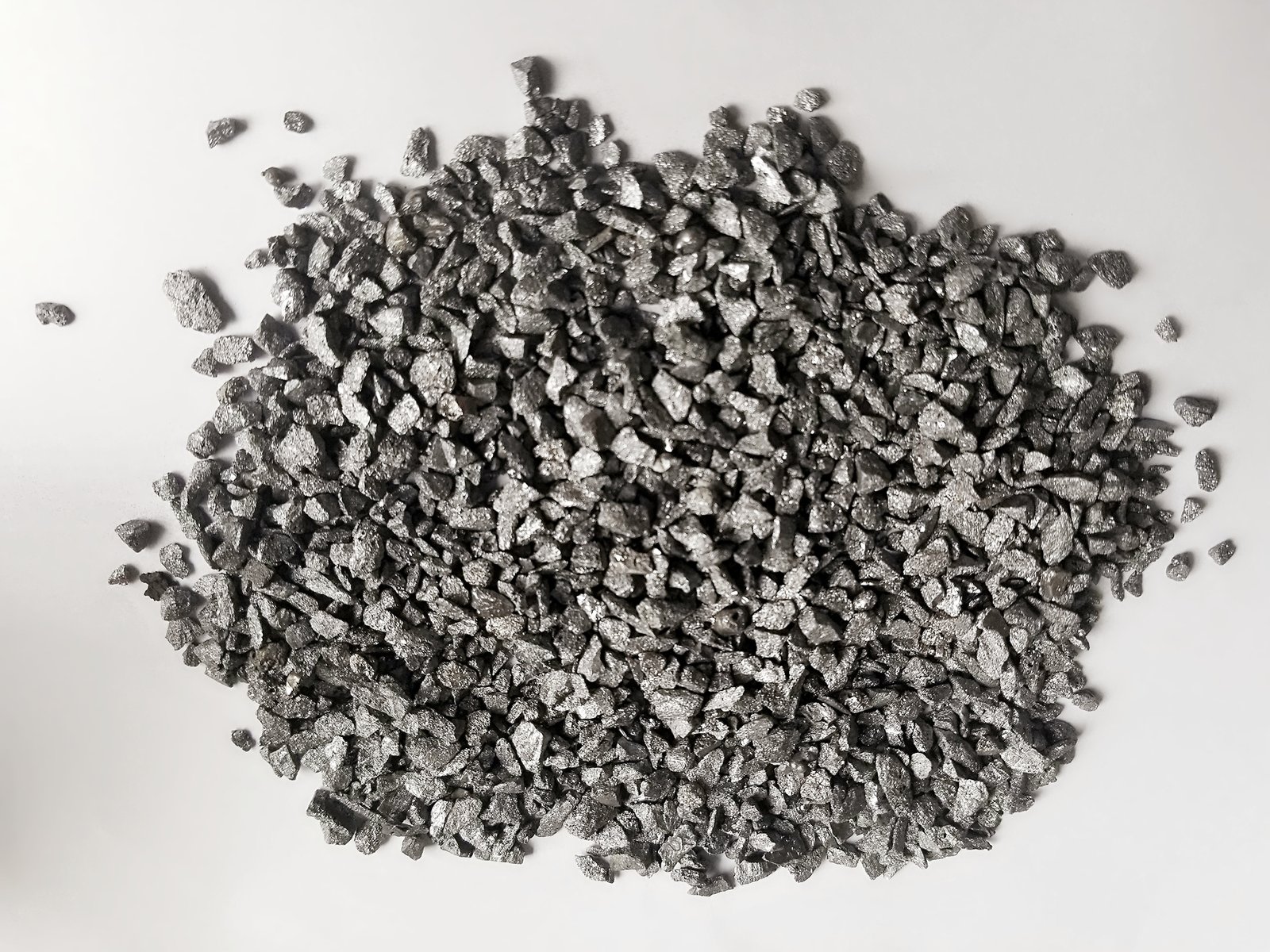
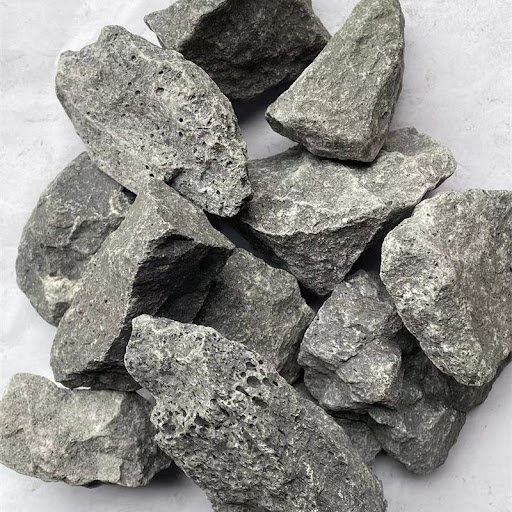
In the steelmaking deoxidation process, Silicon-Calcium-Manganese alloy (Si-Ca-Mn), as a composite deoxidizer, has gained increasing attention from steel mills in recent years. Combining the deoxidation advantages of silicon, calcium, and manganese, it is widely used in the production of quality steels, low-carbon steels, stainless steels, and special alloys such as nickel-based and titanium-based alloys. However, a question worth serious consideration is: Is silicon-calcium-manganese deoxidizer truly suitable for all steel grades?
This article provides a comprehensive analysis from four dimensions—procurement needs, industry research, procurement guide, and supplier comparison—to help you make more informed and scientific procurement decisions.
Silicon-calcium-manganese deoxidizer is favored primarily due to its unique composite deoxidation mechanism:
Strong deoxidation capability: Calcium has a strong affinity for oxygen, sulfur, and nitrogen; silicon and manganese also offer excellent deoxidation effects. Their synergistic action effectively purifies molten steel.
Improved steel fluidity: After deoxidation with Si-Ca-Mn, molten steel fluidity is significantly enhanced, effectively overcoming clogging issues in continuous casting nozzles.
Cost-effectiveness: Compared to using ferrosilicon, ferromanganese, and calcium-silicon alloy separately, the composite deoxidizer can reduce cost per ton of steel by approximately RMB 1.5–2.5. Some mills have reported cost reductions of RMB 20–30 per ton.
Silicon-calcium-manganese is not suitable for all steel grades. The following scenarios require careful evaluation:
Plain carbon steels and low-alloy steels: If silicon-manganese plus aluminum deoxidation already achieves the desired results, the more expensive silicon-calcium-manganese may not be necessary. Studies show that for grades like Q355B, silicon-manganese deoxidation alone can meet production requirements.
Steel grades sensitive to residual calcium: Calcium addition must be strictly controlled—excessive amounts may negatively affect mechanical properties.
Induction furnaces with basic linings: Calcium reacts with magnesia refractories to form magnesium calcinate, which can damage the furnace lining.
Before deciding to purchase silicon-calcium-manganese, please evaluate the following questions:
| Assessment Item | Yes/No |
|---|---|
| Does your steel grade require high purity levels? | ☐ |
| Has your continuous casting process experienced nozzle clogging? | ☐ |
| Is your current deoxidation solution relatively costly? | ☐ |
| Is your furnace lining compatible with calcium-containing alloys? | ☐ |
| Can silicon-manganese + aluminum serve as a viable alternative? | ☐ |
Actual production data demonstrates that silicon-calcium-manganese deoxidizer provides stable deoxidation performance. Data from a steel mill trial shows:
In 6 heats using Si-Ca-Mn for normal deoxidation, the average oxygen level before argon stirring was 60.9 ppm, with an average silicon content of 0.19%.
In the control group without Si-Ca-Mn, the average oxygen level before argon stirring rose to 73.9 ppm.
Conclusion: Silicon-calcium-manganese effectively controls final oxygen content in the 50–70 ppm range.
It is worth noting that tapping temperature significantly affects deoxidation efficiency. Trials indicate that for every approximate 13°C increase in tapping temperature, the oxygen level before argon stirring rises correspondingly. Therefore, strict control of tapping temperature is essential when using Si-Ca-Mn to avoid excessive oxidation.
Studies on Q355B steel using silicon-manganese deoxidation show that inclusions continuously aggregate and grow during refining, with the proportion of large inclusions gradually increasing. This suggests that while Si-Ca-Mn offers excellent deoxidation, it must be combined with proper refining practices to control inclusion morphology.
In recent years, non-aluminum deoxidation practices have begun to replace some aluminum-based deoxidation routes to improve steel cleanliness. Although aluminum deoxidation can reduce oxygen content below 10 ppm, it may cause nozzle clogging and fatigue failure issues. Silicon-calcium-manganese deoxidation has found its niche precisely within this trend.
Different steel grades require different Si-Ca-Mn compositions. Common specifications include:
| Element | Typical Content | Notes |
|---|---|---|
| Si | 15%–60% | Affects deoxidation efficiency and silicon pickup |
| Ca | 16%–18% | Insufficient calcium reduces deoxidation; excess may damage linings |
| Mn | 16%–18% | Affects desulfurization performance |
| P | ≤0.05% | High phosphorus affects toughness |
| S | ≤0.08% | High sulfur affects quality |
| C | ≤0.2% | Critical for low-carbon steel grades |
Recommendation: Customized production can be arranged with suppliers based on specific steel grade requirements.
Particle size: 5–50 mm is recommended. Oversized particles dissolve slowly; undersized particles are prone to oxidation and powdering.
Fines content: Material >50 mm should not exceed 2%; material <5 mm should not exceed 2%.
Moisture resistance: Since calcium is highly oxidizable, choose products with anti-powdering and anti-hygroscopic treatment.
Addition rate: Typically 0.8–1.0 kg per ton of steel, adjusted based on steel grade and end-point oxygen level.
Addition timing: Add gradually during tapping, before adding ferroalloys.
Addition method: Some mills adopt a split addition method—half added to the ladle bottom and half added when the steel stream reaches one-third of the ladle fill—to improve recovery rate.
| Evaluation Aspect | Key Points to Consider |
|---|---|
| Production qualifications | Complete production licenses, quality management system certifications |
| Composition control capability | Ability to meet custom composition requirements; batch-to-batch consistency |
| Particle size control | Fines content compliance; uniform size distribution |
| Anti-powdering technology | Availability of anti-powdering and anti-hygroscopic treatment processes |
| Industry reputation | Track record of cooperation with major steel enterprises (e.g., Masteel, Sinosteel) |
| Service capability | Technical support availability; ability to recommend formulations based on steel grades |
As a professional ferroalloy manufacturer, Beifang Alloy (www.beifangalloy.com) offers the following core strengths in silicon-calcium-manganese deoxidizer:
Factory-direct supply: Full-process quality control from raw ore to finished product, eliminating uncertainties from intermediary links.
Customizable compositions: Flexible adjustment of Si, Ca, and Mn ratios based on customer steel grade requirements.
Precise particle size control: Strict screening processes with fines content exceeding industry averages.
Technical support: Full-process technical assistance from product selection to process optimization.
Stable supply: Leveraging the Anyang ferroalloy industrial cluster, with dual assurance of raw materials and production capacity.
Currently, major suppliers are concentrated in the Anyang and Tangshan ferroalloy industrial belts. When selecting a partner, prioritize companies with proven production capabilities and stable delivery records, rather than mere trading intermediaries.
Silicon-calcium-manganese deoxidizer is not suitable for all steel grades, but for the grades where it is applicable, it represents an excellent choice that balances deoxidation performance and cost-effectiveness. For plain carbon steels and low-alloy steels, evaluate whether silicon-manganese plus aluminum can substitute to further reduce costs. For quality steels and special alloys, Si-Ca-Mn composite deoxidation is an ideal process solution.
Procurement decisions should be based on a comprehensive assessment of your specific steel grades, furnace conditions, and cost structure—not blind conformity. Partnering with a reliable supplier, strictly controlling composition and particle size, and optimizing addition techniques are the keys to unlocking the full value of silicon-calcium-manganese deoxidizer.
Beifang Alloy specializes in the production of silicon-calcium-manganese deoxidizer and other ferroalloy products. We welcome inquiries and collaboration from steel mills and foundries worldwide.
📞 Contact Us
📧 info@hnxyie.com
🌐 www.beifangalloy.com