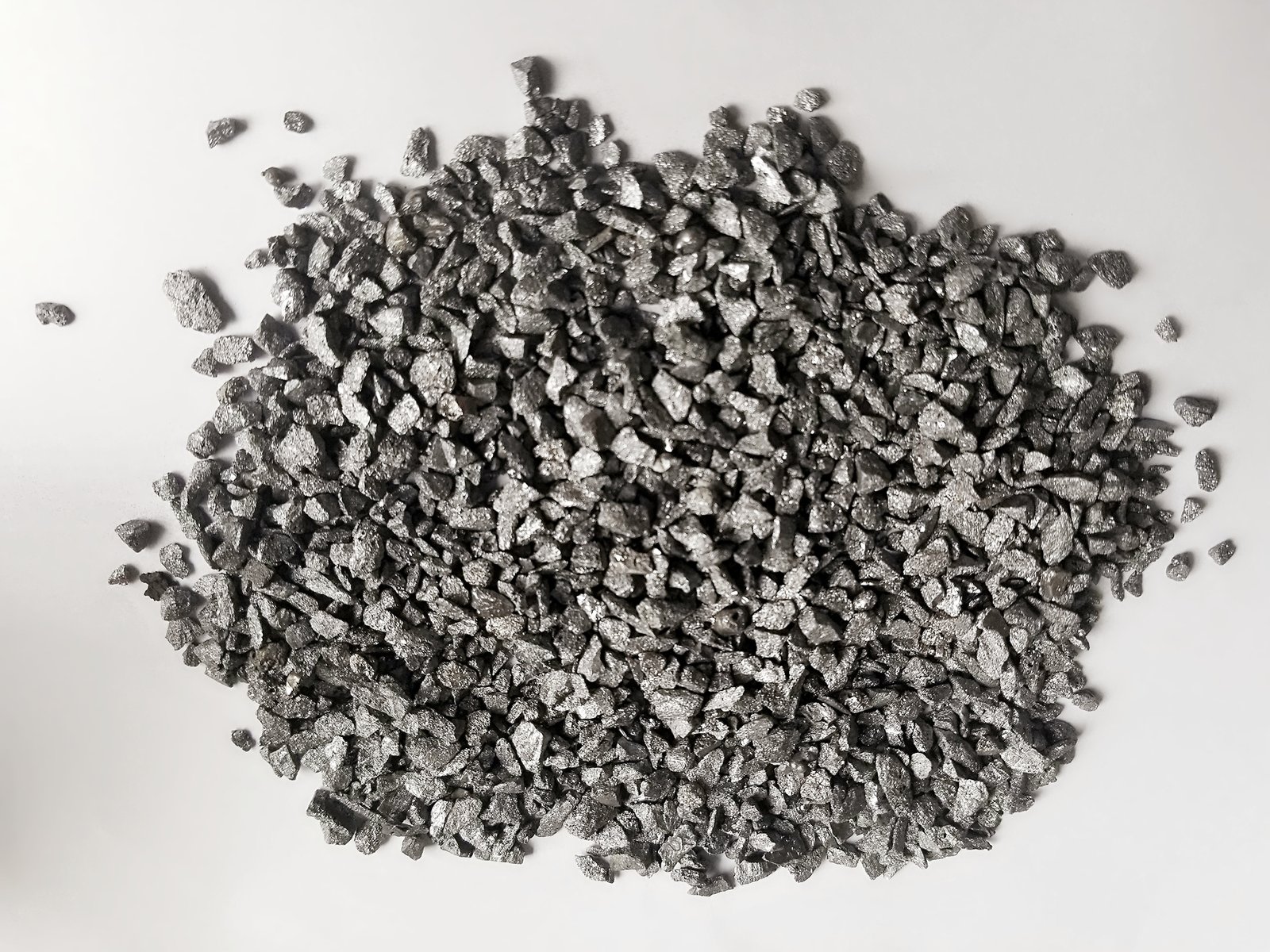
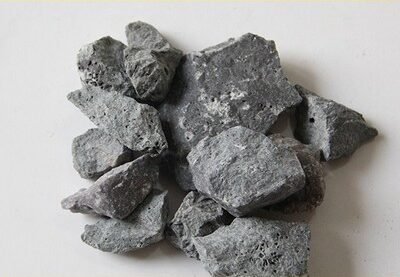
In the complex process of steelmaking, the deoxidation stage is a critical step that determines molten steel quality and ultimately the mechanical properties of the finished product. Faced with a wide array of deoxidizers on the market, many procurement professionals and technical engineers frequently ask: What are the core differences between the new silicon-calcium-manganese (Si-Ca-Mn) composite deoxidizer and traditional deoxidizers such as silicon-aluminum-iron (Si-Al-Fe) or silicon-aluminum-barium (Si-Al-Ba)?
As a manufacturer deeply rooted in the ferroalloy industry, specializing in providing high-quality deoxidation solutions (Beifang Alloy, website: www.beifangalloy.com, email: info@hnxyie.com), we provide you with a professional and transparent analysis from four dimensions: procurement needs, industry research, procurement guide, and supplier comparison.
At the end of the day, procuring deoxidizers serves steelmaking production. After visiting and surveying numerous steel mills, we have found that cost control and steel cleanliness are the two top priorities for current procurement decisions.
Traditional aluminum-based deoxidizers (such as pure aluminum and Si-Al-Fe) have strong deoxidizing capability, but they come with notable drawbacks. On one hand, their prices are generally high, and costs fluctuate significantly with aluminum market prices. On the other hand, their deoxidation products are mainly high-melting-point Al₂O₃ (alumina) inclusions. If these fine particles are not thoroughly removed, they not only reduce the toughness and impact resistance of the steel but also easily cause nozzle clogging during continuous casting, disrupting smooth production operations.
The emergence of silicon-calcium-manganese deoxidizers precisely addresses these pain points. By combining three elements—silicon (Si), calcium (Ca), and manganese (Mn)—in a composite form, it leverages their complementary advantages. Data from certain steel mills shows that after adopting Si-Ca-Mn deoxidizer, the usage of silicomanganese and ferrosilicon alloys can be reduced. While maintaining deoxidation effectiveness, the comprehensive cost per ton of steel decreases by RMB 20–30 yuan. For large-scale steelmaking operations, this economic benefit is highly significant.
From a metallurgical standpoint, deoxidation is not merely “removing oxygen”—it is a sophisticated “inclusion engineering” process.
Traditional single-element deoxidation has its own shortcomings: aluminum deoxidation produces Al₂O₃ inclusions that are finely dispersed and difficult to float out; calcium has extremely strong deoxidizing capability, but its high vapor pressure and low solubility in molten steel mean that when added alone, its yield is low.
Silicon-calcium-manganese, by contrast, is a classic “composite deoxidizer,” and its technological advancement is reflected in the following synergistic chemical reactions:
Silicon-Manganese Combined Deoxidation: When silicon and manganese are added in appropriate proportions, they generate unsaturated liquid silicates. These products have low density, low melting points, and tend to coalesce, grow larger, and float out easily, thereby significantly reducing inclusions in the steel. This deoxidation effect is far superior to using silicon or manganese alone.
Modification Effect of Calcium: Calcium has a strong affinity for both oxygen and sulfur. In the “friendly environment” created by silicon and manganese, calcium’s solubility increases and its evaporation loss decreases. It can more effectively modify high-melting-point inclusions such as Al₂O₃ into low-melting-point calcium aluminates. This not only purifies the molten steel but also fundamentally improves its fluidity, preventing nozzle clogging in continuous casting.
Therefore, industry consensus holds that for converter or electric-arc-furnace smelting of plain carbon steels and low-alloy steels (such as Q235B, 16Mn, etc.), using Si-Ca-Mn as a final deoxidizer not only ensures steel cleanliness but also reduces the overall cost of deoxidation and desulfurization.
After understanding the advantages, what key points should buyers keep in mind during actual procurement? We recommend evaluating from the following dimensions:
Clarify Chemical Composition Specifications: This is the most critical acceptance criterion. A qualified Si-Ca-Mn product must meet compositional standards. Referring to mainstream industry benchmarks, the typical key element requirements are: Si ≥ 13%, Ca ≥ 10%, Mn ≥ 18%; while strictly controlling harmful elements such as S ≤ 0.4%, P ≤ 0.25%. Procurement should require the supplier to provide third-party or in-house test reports to ensure composition authenticity.
Pay Attention to Physical Properties: The form (e.g., briquettes, granules), particle size distribution, hardness, and moisture content of the deoxidizer directly affect performance. Moisture content should be controlled within 2% to prevent introducing harmful gases like hydrogen. The particle size should match the steel mill’s feeding equipment to ensure melting rate and reaction uniformity.
Match with Smelting Processes: Inform the supplier of your specific furnace type (converter, EAF, LF) and steel grade requirements. For example, during converter tapping, Si-Ca-Mn deoxidizer is typically added to the ladle before other alloys. For different steel grades, the addition rate (reference range: 1.0–2.5 kg per ton of steel) should also be adjusted through practical trials.
Faced with suppliers of varying quality levels in the market, how do you distinguish the reliable ones from the rest? As a key member of the Anyang ferroalloy industrial cluster, Beifang Alloy (www.beifangalloy.com) understands the value of stable supply and reliable quality. When selecting a supplier, you can compare across the following aspects:
Technical Capability: Small workshops often have inconsistent compositions, leading to unstable deoxidation results. We are equipped with fully automatic batching systems and rigorous in-process quality control, ensuring batch-to-batch composition stability and preventing steel grade rejections caused by compositional segregation.
Cost vs. Price—A Balanced Perspective: The lowest price often means insufficient effective elements or crude processes. Through optimized formulation and large-scale production, we offer competitive pricing while ensuring our products deliver recognized “cost-effectiveness” in the industry. For example, while ensuring effective elements such as Ca, Si, and Mn meet standards, we help customers achieve genuine “cost reduction” without compromising quality.
Supply and Service: We have a complete production, warehousing, and logistics system that can flexibly respond to urgent orders. We also provide warehousing and rotation guidance to prevent deoxidizers from moisture absorption and oxidation.
In summary, the gap between silicon-calcium-manganese deoxidizers and traditional deoxidizers is not merely a difference in formulation—it represents an upgrade in steelmaking philosophy, moving from “merely meeting deoxidation requirements” to “pursuing clean steel and comprehensive economic benefits.”
If you are facing challenges with molten steel cleanliness, continuous casting process stability, or alloy cost control, we welcome you to contact Beifang Alloy. Backed by our solid foundation as a ferroalloy manufacturing facility, we will provide you with the most suitable deoxidizer products and professional technical support.
Beifang Alloy
Professional Ferroalloy Service Provider
Website: www.beifangalloy.com
Email: info@hnxyie.com
We look forward to joining hands with you to forge quality steel together!