In converter steelmaking, endpoint temperature control is critical to both tapping quality and smelting cost. When endpoint temperature runs low, the traditional remedies are reblowing or adding heating agents such as ferrosilicon or coke. But these approaches often bring side effects: excessive steel oxidation, reduced alloy recovery, longer tap-to-tap time, and slag dilution. In recent years, silicon-calcium-manganese (SiCaMn) composite deoxidizer has drawn increasing attention as a multifunctional alloy that combines deoxidation, temperature enhancement, and alloying in one addition. This article examines why SiCaMn is suitable as a converter temperature enhancer from four perspectives: procurement needs, industry research, procurement guide, and supplier comparison.
Low endpoint temperature is a common production problem in converter shops. When tapping conditions are not met, compensation becomes necessary. Traditional compensation methods fall into two categories: reblowing and adding heating agents.
Reblowing is direct but problematic. Post-blow reblowing intensifies steel oxidation, lowers alloy recovery, extends smelting cycles, and increases iron loss. Adding ferrosilicon as a heating agent can rapidly raise bath temperature through silicon oxidation, but the resulting SiO₂ enters the slag, dilutes slag basicity, and impairs desulfurization and dephosphorization.
The procurement requirement is therefore clear: the additive must raise temperature effectively without degrading steel composition or slag performance, and ideally should also contribute to deoxidation or alloying. SiCaMn deoxidizer fits this requirement combination well.
In terms of dosage, ferrosilicon heating agents typically require about 0.07–0.08 kg per ton of steel per 1°C of temperature rise. SiCaMn used for converter deoxidation and alloying is typically added at about 1.2–1.5 kg per ton of steel, reducing oxygen content from around 220 ppm to below 70 ppm. Procurement planners should calculate monthly or quarterly demand based on converter capacity, frequency of endpoint temperature shortfalls, and steel grade requirements.
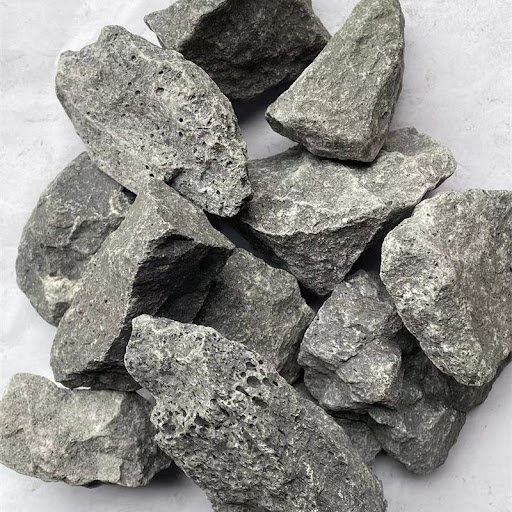
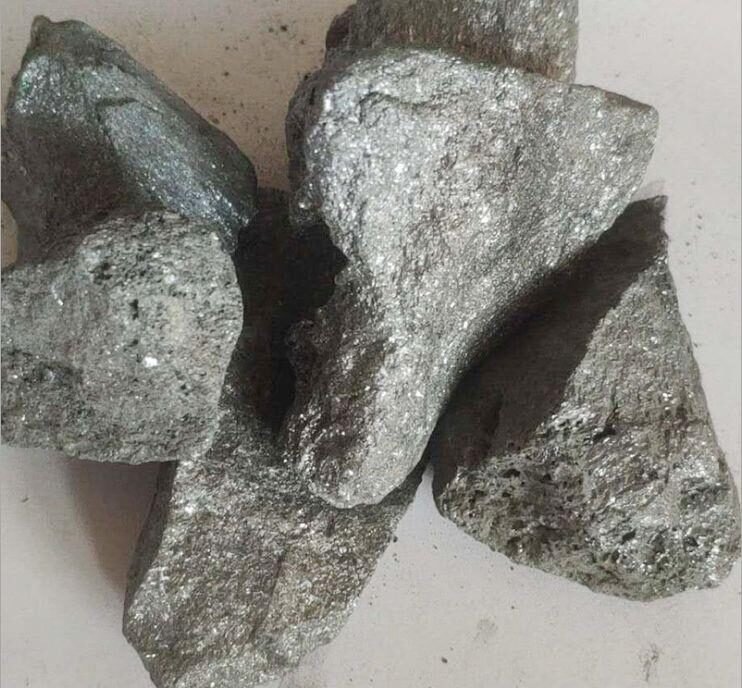
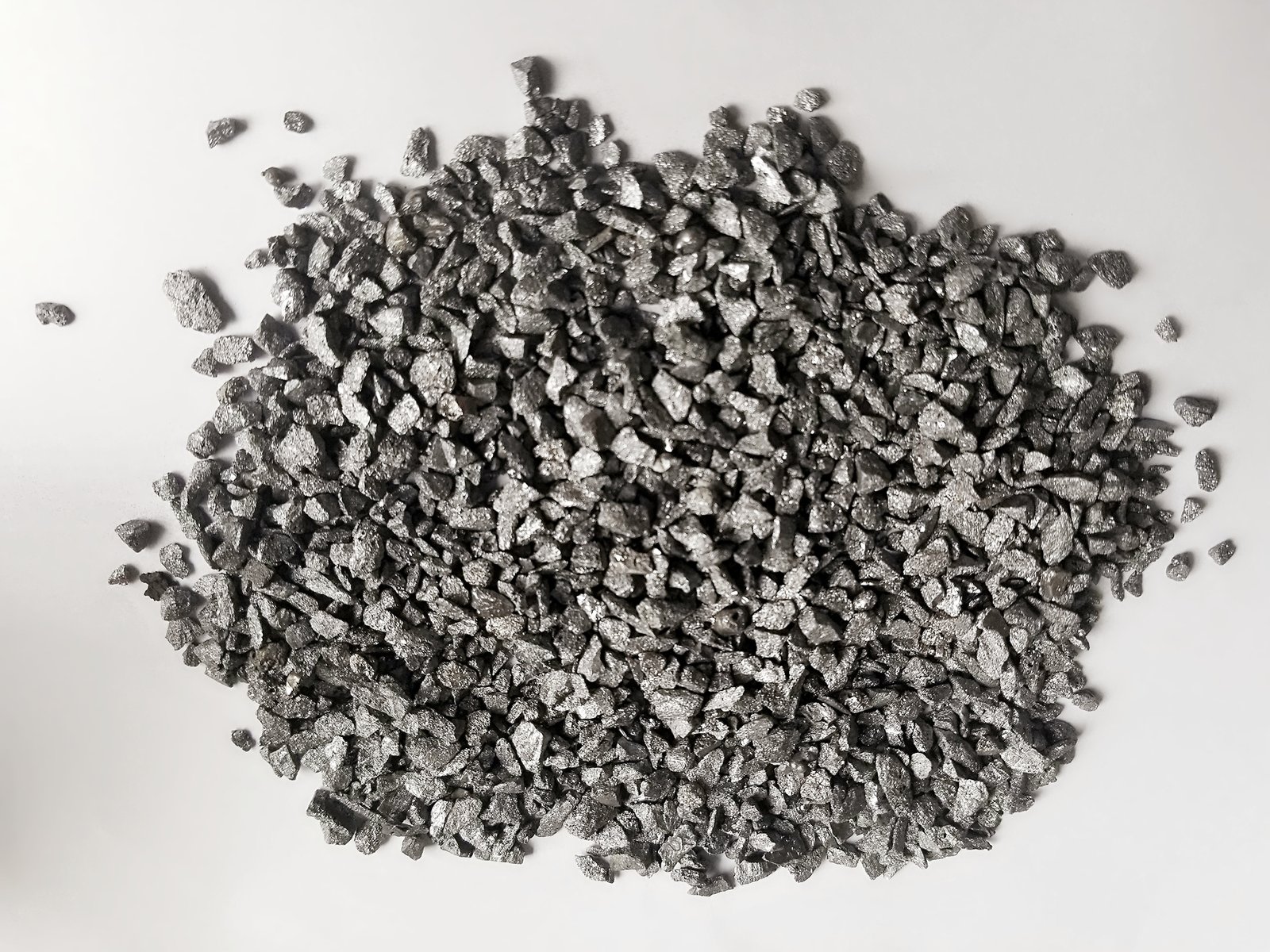
Key indicators to focus on when purchasing SiCaMn include Si content, Ca content, Mn content, impurity control (C, S, P, Al), and particle size. Different steel grades and addition methods require different particle sizes, with common specifications being 2–8 mm, 3–10 mm, and 10–50 mm.
To understand why SiCaMn is suitable as a converter temperature enhancer, one must start with its elemental properties and composite effects.
Calcium’s strong exothermic and deoxidation capability. Calcium has an extremely high affinity for oxygen. At steelmaking temperatures, it reacts with oxygen to form CaO and releases substantial chemical heat. Thermodynamic calculations show strongly negative Gibbs free energy changes for calcium deoxidation, indicating a strong reaction driving force. However, pure calcium boils at only 1440°C. In steel at 1600°C, its vapor pressure far exceeds one atmosphere, so metallic calcium added directly vaporizes and escapes rapidly, with very short interaction time and low utilization. Combining calcium with silicon and manganese into a composite alloy effectively lowers calcium activity and retards its volatilization, allowing its exothermic and deoxidizing effects to be fully utilized.
Silicon-manganese synergistic deoxidation. Silicon’s deoxidation ability is inherently stronger than manganese’s, but when silicon alone is used, the product is solid SiO₂ with a high melting point that is difficult to float out. When silicon and manganese are present together, the deoxidation product forms liquid manganese silicate (MnO·SiO₂), whose activity is significantly reduced, shifting the deoxidation equilibrium toward product formation. Silicon’s deoxidation ability is enhanced by the presence of manganese. This synergistic effect also applies to temperature enhancement: the more complete the deoxidation reaction, the more fully the chemical heat of silicon and calcium is released, and the higher the heating efficiency.
Manganese’s multiple roles. Manganese has a greater affinity for oxygen than iron and can preferentially remove oxygen from FeO to form MnO, contributing to deoxidation. At the same time, manganese is an important alloying element in steel. SiCaMn simultaneously supplements manganese content during temperature enhancement and deoxidation, reducing the need for separate manganese additions and simplifying alloying operations.
Advantages of composite deoxidation products in floating out. SiCaMn’s deoxidation products are low-melting-point composite oxides with large particle sizes and low specific gravity, making them easier to float from the steel into the slag and reducing residual inclusions. This means the temperature enhancement process not only avoids deteriorating steel cleanliness but actually helps purify the steel.
In summary, SiCaMn’s temperature enhancement logic is: silicon and calcium oxidation release heat to rapidly compensate steel temperature, while manganese’s synergistic effect improves deoxidation efficiency, making the exothermic reaction more complete and the deoxidation products easier to remove, with far less negative impact on steel composition than ferrosilicon or aluminum-based heating schemes.
When purchasing SiCaMn, the first step is to clarify the specific deoxidation and temperature enhancement requirements for the target steel grades. Typical SiCaMn composition ranges are: Si 40–50%, Ca 17–23%, Mn 16–23%, C ≤ 0.05%, S ≤ 0.1%, P ≤ 0.05%. Some producers also offer specifications with Ca 21–25%, Si 15–18%, and Mn 7–10%. Buyers should determine the most suitable composition ratio in consultation with suppliers based on converter endpoint oxygen content, target temperature rise, and steel grade tolerance for residual elements.
Particle size directly affects reaction kinetics and recovery after addition. For addition during converter tapping, 2–8 mm or 3–10 mm particle sizes generally facilitate rapid melting and uniform dispersion. Too coarse, and melting is slow with delayed heat release; too fine, and particles may be carried away by furnace gas or lost to oxidation. Buyers should confirm the supplier’s screening control capability.
C, S, P, Al and other impurity elements directly affect steel quality. Especially for low-carbon and low-silicon steel grades, carbon content in SiCaMn must be strictly controlled. Buyers should require chemical composition test reports for each batch and monitor batch-to-batch consistency of impurity elements.
Ferroalloys are bulk metallurgical raw materials. A supplier’s production stability, batch consistency, and logistics response speed directly affect steel mill production rhythm. Buyers should assess whether the supplier has in-house smelting capability, a stable track record of steel mill supply, and relevant quality system certifications.
The procurement cost of SiCaMn should be evaluated within a comprehensive benefit framework. Although the unit price may be higher than ordinary ferrosilicon, SiCaMn can simultaneously replace part of the ferrosilicon, calcium-silicon, ferromanganese, and aluminum usage, and the improved steel quality from its deoxidation products can reduce subsequent refining burdens. Comprehensive cost per ton of steel, not the unit price of a single alloy, is the more reasonable basis for procurement decisions.
In the SiCaMn deoxidizer supply landscape, selecting the right partner requires systematic evaluation across production capacity, product consistency, technical support, and supply stability.
Anyang Beifang Alloy (Beifang Alloy, www.beifangalloy.com, info@hnxyie.com) is located in Anyang, Henan Province, one of China’s important ferroalloy industry clusters. Leveraging regional industrial chain advantages, the company has established stable smelting and processing capabilities for SiCaMn and other composite deoxidizers.
From a supplier comparison perspective, buyers evaluating SiCaMn suppliers can use the following assessment framework:
| Evaluation Dimension | Key Points |
|---|---|
| Production Capacity | In-house smelting furnaces, monthly capacity meets demand |
| Composition Control | Batch test reports available, Si/Ca/Mn fluctuation range |
| Particle Processing | Crushing and screening capability, controllable size distribution |
| Steel Mill Track Record | Actual application cases in converter steel mills |
| Logistics Response | Delivery cycle, transportation methods, emergency replenishment |
| Technical Support | Ability to provide addition rate recommendations based on mill conditions |
Beifang Alloy benefits from the ferroalloy industry cluster in Anyang, giving it competitive advantages in raw material procurement and smelting cost control. For steel mill buyers seeking stable batch quality, reasonable pricing, and localized service response, Beifang Alloy is a worthwhile option to include in supplier comparisons.
Buyers can directly request product specification sheets, composition test reports, and samples through the official website (www.beifangalloy.com) or email (info@hnxyie.com) for small-batch trial verification.
Summary: The reason SiCaMn deoxidizer is suitable as a converter temperature enhancer lies in its integrated “exothermic + deoxidation + alloying” functional characteristics — silicon and calcium oxidation reactions provide heat, manganese’s synergistic effect improves deoxidation efficiency and reduces interference with steel composition, and composite deoxidation products float out easily. For converter endpoint temperature compensation, SiCaMn offers a technically and economically superior path compared to ferrosilicon reblowing or pure aluminum deoxidation. When making procurement decisions, it is recommended to evaluate SiCaMn’s comprehensive cost per ton of steel, its improvement effect on steel quality, and the supplier’s long-term supply stability within a unified framework.
This article is provided by Anyang Beifang Alloy (www.beifangalloy.com). For product specification sheets or technical consultation, please contact info@hnxyie.com.