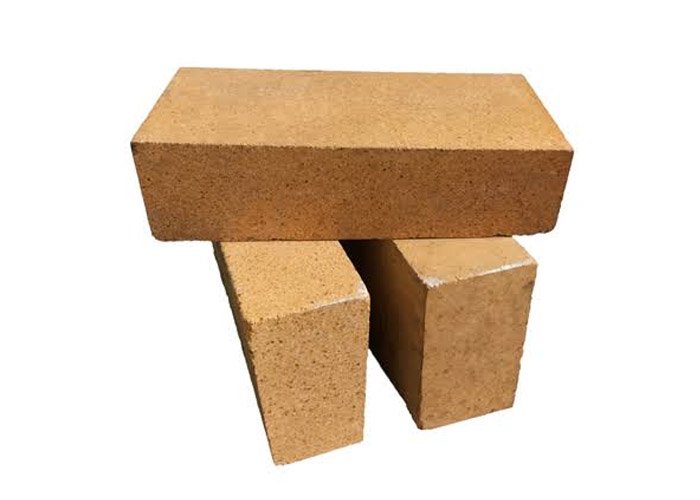
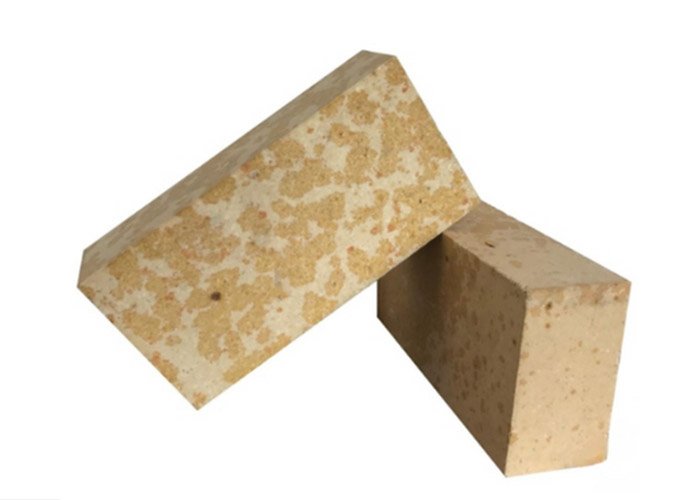
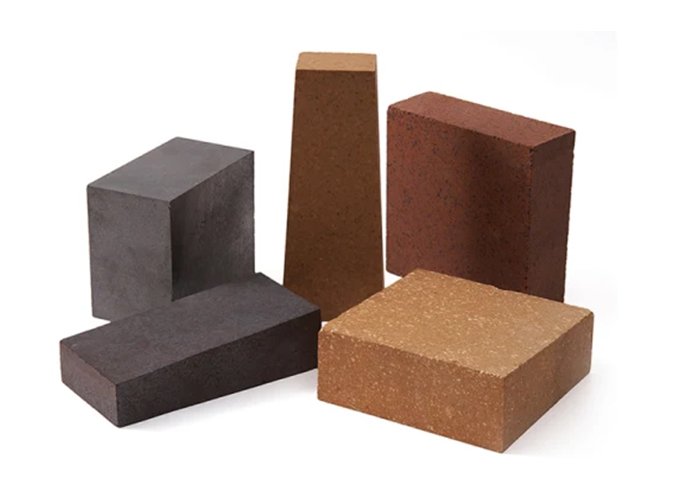
In ferroalloy smelting, steel deoxidation agent production, and the operation of various high-temperature kilns and furnaces, the selection of refractory bricks directly affects lining life, shutdown frequency, and overall procurement cost. As a ferroalloy factory, Beifang Alloy (beifangalloy.com) has long-term exposure to downstream customers’ practical needs for furnace lining support. This article addresses four dimensions—procurement needs, industry research, procurement guide, and supplier comparison—using one core comparison table covering four common refractory brick types: clay bricks, high-alumina bricks, silica bricks, and magnesium bricks, to help procurement personnel quickly build a selection judgment framework.
| Comparison Dimension | Clay Bricks | High-Alumina Bricks | Silica Bricks | Magnesium Bricks |
|---|---|---|---|---|
| Chemical nature | Weakly acidic | Neutral to slightly acidic | Acidic | Basic |
| Main component | Al₂O₃ 30%–46% | Al₂O₃ ≥48% (graded by grade) | SiO₂ ≥94%–96% | MgO ≥80%–95%+ |
| Refractoriness | Approx. 1580–1750°C | Higher, increasing with Al₂O₃ content | 1690–1710°C | High; periclase melting point 2800°C |
| Refractoriness under load | Lower; deformation starts early with a wide deformation range | Medium to high | Very high (can reach above 1650°C), but once softened, it fractures | Initial softening temperature is relatively high, but it fractures rapidly after deformation |
| Thermal shock resistance | Good | Relatively good | Poor (especially below 600°C) | Poor |
| Slag resistance characteristics | Resists acidic slag; not resistant to basic slag | Relatively strong resistance to various molten slag erosion | Strong resistance to acidic slag; susceptible to basic slag attack | Good resistance to basic slag and iron slag; not resistant to acidic slag |
| Typical application scenarios | Blast furnaces, hot blast stoves, general kiln linings; complex-shaped products | Electric furnace roofs, hot blast stoves, high-temperature load-bearing areas | Coke ovens, glass melting furnaces, acidic steelmaking furnaces | Open-hearth furnaces, converters, electric furnaces, non-ferrous metal smelting, basic slag environments |
| Key procurement concerns | Low price, easy forming; focus on Al₂O₃ content and apparent porosity | Focus on Al₂O₃ content grade and refractoriness under load | Focus on SiO₂ purity and true density; strictly prohibited in basic slag environments | Focus on MgO content and poor thermal shock resistance; moisture protection during transport |
Sources: China Science Popularization refractory materials entry, Mysteel refractory product characteristics table, refractory materials textbook analysis of load deformation, Silica Brick National Standard GB/T 2608-2025, Magnesium Brick Industry Standard JC/T 924-2022
The first threshold for procurement decisions on these four brick types is not price, but slag basicity.
In acidic slag environments (such as acidic steelmaking and some glass furnaces), silica bricks and clay bricks are reasonable choices. Silica bricks have stable volume at high temperatures and extremely high refractoriness under load, but procurement must confirm: there is no basic slag or basic vapor in the furnace, otherwise silica bricks will be rapidly corroded.
In basic slag environments (such as steelmaking converters, non-ferrous metal smelting, and some ferroalloy furnace types), magnesium bricks are the first choice. Magnesium bricks have good resistance to basic slag and iron slag, and their refractoriness is also higher than clay bricks and silica bricks. However, when procuring magnesium bricks, it is necessary to simultaneously consider whether the furnace body has temperature fluctuation conditions—magnesium bricks have poor thermal shock resistance, and frequent heating and cooling will cause cracking.
In neutral or mixed conditions (such as electric furnace roofs and hot blast stoves), high-alumina bricks have broader adaptability. The higher the Al₂O₃ content, the better the refractoriness and high-temperature strength, but the price also rises accordingly. During procurement, suppliers must be required to provide specific grade Al₂O₃ content and refractoriness-under-load data, rather than vaguely labeling “high-alumina bricks.”
For general, non-critical areas, clay bricks occupy the lower end of the procurement list due to their price and easy forming advantages. However, note: clay bricks have a low initial softening temperature under load and a wide deformation range, making them unsuitable for high-temperature load-bearing structures.
A table can solve preliminary screening, but in actual procurement, the performance differences between different grades of the same brick type may be greater than the differences between categories.
Taking silica bricks as an example, GB/T 2608-2025 classifies silica bricks by application into three categories: glass furnace, coke oven, and hot blast stove. Glass furnace silica bricks alone are further subdivided into three grades: BG-96a, BG-96b, and BG-95, with SiO₂ content ranging from ≥95% to ≥96%, Fe₂O₃ upper limits ranging from ≤0.5% to ≤1.0%, and cold crushing strength layered from ≥30MPa to ≥40MPa. If procurement only specifies “silica bricks,” and the supplier delivers the lowest grade, lining life may differ several-fold.
The same applies to magnesium bricks. In JC/T 924-2022, glass furnace magnesium bricks are divided into four grades from MZ-95 to MZ-98, with MgO content layered from ≥95.0% to ≥97.2%, apparent porosity progressing from ≤17.0% to ≤15.5%, and cold crushing strength requirements for straight bricks starting from ≥70MPa. The procurement cost difference between high-purity magnesium bricks and ordinary magnesium bricks is significant, but when used in mismatched conditions, the expensive one may not last, while the cheaper one may require more frequent replacement.
The industry trend for high-alumina bricks points toward “low-creep” products. Low-creep high-alumina bricks for hot blast stoves (DRL series) require a creep rate of ≤1.0% under conditions of 1450°C, 0.2MPa, and 50h, while ordinary high-alumina bricks have no such mandatory requirement. If the procurement scenario is a long-term high-temperature load-bearing area such as hot blast stove checkerwork, the initial low price of ordinary high-alumina bricks may be offset by the cost of frequent shutdowns and replacements.
Step 1: Use chemical properties to eliminate wrong options. First confirm the slag basicity and eliminate chemically incompatible brick types. This one step can filter out a considerable proportion of invalid inquiries.
Step 2: Lock in the grade, not the category name. When inquiring with suppliers, directly specify the national or industry standard grade. For example, “GB/T 2608-2025 BG-96b” is better than “silica bricks,” and “JC/T 924-2022 MZ-96 straight brick” is better than “magnesium bricks.” Only after the grade is locked in are quotations from different suppliers comparable.
Step 3: Require key indicator test data to accompany delivery. For silica bricks, focus on SiO₂ content, Fe₂O₃ content, apparent porosity, cold crushing strength, and initial softening temperature under load at 0.2MPa. For magnesium bricks, focus on MgO content, SiO₂ and CaO impurity upper limits, bulk density, and apparent porosity. For high-alumina bricks, focus on Al₂O₃ content, Fe₂O₃ upper limit, and refractoriness under load. For clay bricks, focus on Al₂O₃ content and cold crushing strength.
Step 4: Calculate “life-cycle cost” rather than “procurement unit price.” Silica bricks can last more than a decade in coke ovens, but may be damaged within months if used in the wrong basic environment; magnesium bricks cost several times more per unit than clay bricks, but their life advantage in converter linings is sufficient to amortize the price difference. In procurement decisions, using unit price ÷ expected service life as a horizontal comparison indicator is closer to true cost than simple price comparison.
When inquiring with refractory brick suppliers, the following four questions can effectively distinguish professional suppliers from trading intermediaries:
| Question | Professional Supplier’s Response | Warning Signs |
|---|---|---|
| “Which grade of GB/T 2608-2025 does your silica brick comply with?” | Directly provides the grade and corresponding physical and chemical indicator data | Vague answers like “national standard” or “high purity” |
| “What are the measured values of apparent porosity and cold crushing strength for your magnesium bricks?” | Provides recent batch test reports or can arrange third-party testing | Only gives “range values” or refuses to provide specific data |
| “Does your high-alumina brick include a low-creep series? What is the creep rate indicator?” | Distinguishes ordinary type from low-creep type and provides creep test conditions | Treats all high-alumina bricks as the same |
| “Can you recommend a brick type based on our slag composition?” | Asks about slag basicity, working temperature, and temperature fluctuations before giving recommendations | Recommends a “universal brick” without asking questions |
As a ferroalloy factory, Beifang Alloy also follows the above logic in supporting refractory procurement. The working conditions faced by ferroalloy furnace linings often combine high temperature and slag erosion, and a single brick type cannot cover the entire furnace. Zoned selection—using different bricks for different areas—is the key to controlling overall cost.
One table can establish an initial cognitive framework: for acidic slag, choose silica or clay bricks; for basic slag, choose magnesium bricks; for neutral/mixed conditions, choose high-alumina bricks; when thermal shock resistance is required, use silica and magnesium bricks with caution. However, true procurement decisions require drilling down to the level of grades, physical and chemical indicators, and supplier data capabilities. Whether a refractory brick is “cheap” or “expensive” is ultimately determined by how many times the furnace shuts down.
For further information on refractory selection recommendations for ferroalloy applications, please contact Beifang Alloy: www.beifangalloy.com | info@hnxyie.com