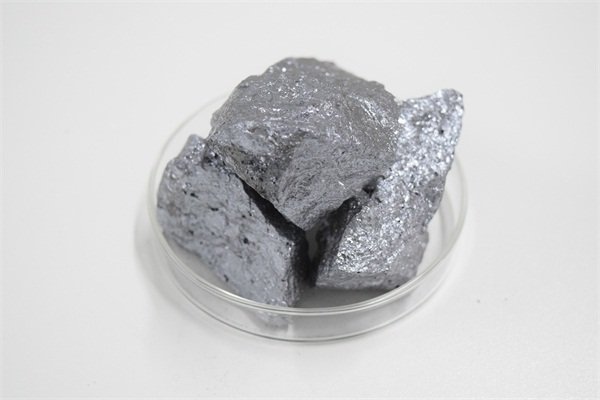
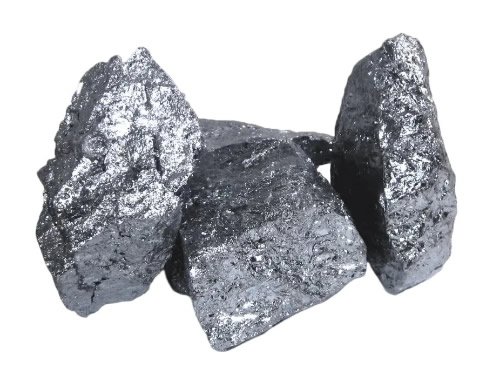
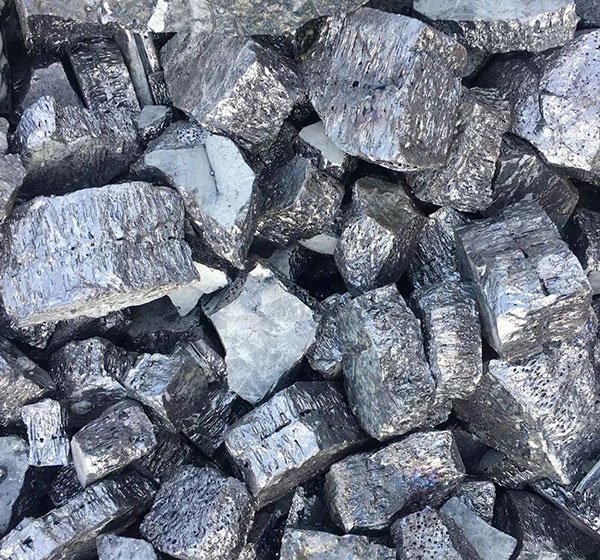
In today’s increasingly interconnected global ferroalloy trade, metallurgical silicon — a key raw material for aluminum alloys, organic silicon, electronic materials, and many other industrial sectors — depends heavily on product consistency. The stability of its quality directly affects the performance and safety of downstream products. However, when buyers and suppliers are separated by thousands of miles, multiple factors such as language barriers, differing standards, logistics, and testing can create uncertainty.
So how can you ensure that every batch of metallurgical silicon you receive matches the sample and complies with your contract?
Beifang Alloy, a professional ferroalloy factory with years of experience, provides a practical quality assurance framework based on four key dimensions: procurement needs, industry research, procurement guide, and supplier comparison.
Many buyers focus only on primary element content (e.g., Si ≥ 99%) during initial inquiries, while overlooking details such as impurity limits, particle size, and packaging. Inconsistent quality often stems not from the supplier’s inability to meet standards, but from a misunderstanding of requirements between both parties.
We recommend clarifying the following six key specifications before placing an order:
Main element content (e.g., Si, Fe, Al, Ca)
Maximum allowable impurities (e.g., P, S, C)
Particle size distribution (e.g., 10–100mm proportion)
Packaging method (ton bags, small bags, moisture-proof requirements)
Sampling and acceptance standards (Chinese national standard, ASTM, or mutually agreed terms)
Third-party inspection agency (if applicable)
Beifang Alloy’s approach:
For every inquiry we receive, we proactively confirm each of the above specifications with the customer and document them in a written Technical Appendix, which becomes part of the contract — eliminating misunderstandings caused by verbal communication.
By analyzing recent cases in global metallurgical silicon trade, we have identified three of the most common quality issues in cross‑ocean procurement:
| Risk Type | Description | Main Cause |
|---|---|---|
| Batch variation | Inconsistent composition across batches | Unstable raw material sources or loose process control |
| Particle size deviation | Excessive fines or oversized lumps | Non‑standard crushing and screening processes |
| Packaging damage | Moisture ingress, torn bags, contamination | Poor handling and transport management |
Additionally, some intermediaries mix metallurgical silicon from different sources and quality levels to reduce costs — a common reason why “sample passes, but bulk cargo fails.”
Beifang Alloy’s recommendation:
Give priority to factory‑based suppliers with their own or long‑term stable raw material sources and a complete production chain. Whenever possible, conduct a factory audit (on‑site or via video) to understand actual production conditions.
Based on years of experience serving overseas customers, we have developed a practical procurement process to help you maintain quality control even from a distance:
Step 1: Verify Supplier Credentials
Request business licenses, system certifications (e.g., ISO 9001), and third‑party test reports (e.g., SGS, BV).
Step 2: Confirm Samples
Send representative samples and retain sealed reference samples. Both parties should agree on testing methods.
Step 3: Detail Specifications in the Contract
In addition to price and quantity, clearly specify particle size, impurity limits, acceptance criteria, and dispute resolution methods (e.g., which party’s test results will be binding).
Step 4: Monitor Production
Request production records, including furnace‑front test results, screening records, and packaging records (photos or videos acceptable).
Step 5: Pre‑Shipment Inspection
Engage a third‑party agency (e.g., SGS, CCIC) to sample and test the goods at the loading port before shipment.
Step 6: Re‑inspect Upon Arrival
Upon arrival at the destination port, record container opening on video and take samples for testing. If deviations are found, address them promptly according to the contract.
Beifang Alloy’s commitment:
We fully cooperate with customers throughout these six steps and provide all production and testing records, ensuring every shipment of metallurgical silicon is traceable and verifiable.
The type of supplier you choose directly affects product consistency. Below is an objective comparison:
| Aspect | Trader | Factory (e.g., Beifang Alloy) |
|---|---|---|
| Source control | Multiple sources, inconsistent batches | Own production, batch‑to‑batch consistency |
| Quality consistency | Higher variation, risk of mixing | Relatively stable and traceable |
| Testing capability | Relies on external labs | In‑house furnace‑front and finished product testing |
| Communication efficiency | Potential information distortion | Direct technical answers |
| After‑sales service | Longer coordination cycles | Factory‑direct, fast response |
| Price | Usually includes a markup | More competitive |
For long‑term, bulk purchases requiring high quality consistency, choosing a qualified factory‑based supplier with export experience is the better path to lower risk and ensure consistent product quality.
Being separated by oceans is not the real challenge — the real challenge is information asymmetry and inconsistent standards. At Beifang Alloy, we firmly believe that a clear contract, a well‑defined process, and a responsible factory are enough to ensure that a customer thousands of miles away receives products identical to the sample.
If you are facing challenges in cross‑ocean procurement of metallurgical silicon, ferroalloys, or related products, please do not hesitate to contact us.
📞 Email: info@hnxyie.com
🌐 Website: www.beifangalloy.com
Beifang Alloy — Making every ton of alloy stand the test of distance.