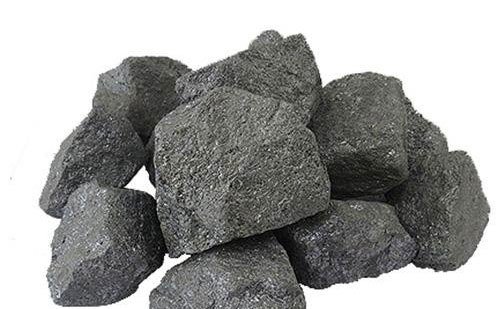
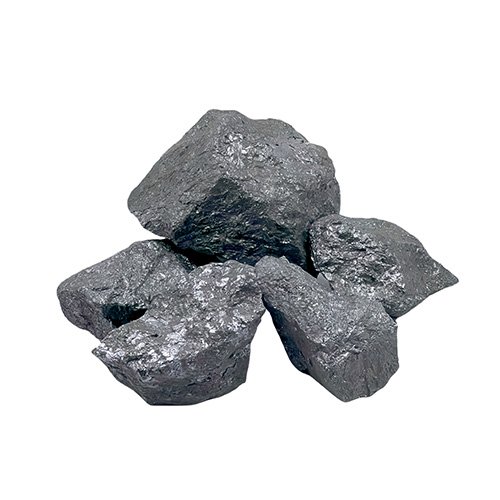
Unlocking Efficiency: Your Ultimate Guide to High Carbon Silicon
In the demanding world of steelmaking and foundry operations, efficiency and cost-effectiveness are paramount. As a cornerstone of modern metallurgy, ferroalloys play a critical role, and among them, High Carbon Silicon (HC Silicon) has emerged as a powerful and versatile additive. At Beifang Alloy, a trusted name in the ferroalloy industry, we specialize in producing high-quality HC Silicon that meets the rigorous standards of global manufacturers.
This comprehensive guide will explore everything you need to know about High Carbon Silicon, from its fundamental composition to strategic procurement.
Before delving into procurement, it’s essential to understand what High Carbon Silicon is. As the name suggests, it is a ferroalloy primarily composed of two elements: Silicon (Si) and Carbon (C).
Typical Composition Range:
Silicon (Si): 55% – 75%
Carbon (C): 15% – 25%
Impurities: Small, controlled amounts of Iron (Fe), Aluminum (Al), Calcium (Ca), and Sulfur (S).
The unique value of HC Silicon lies in this dual-action composition. It acts as a potent deoxidizer and graphitizer simultaneously. In molten iron or steel, the silicon actively removes oxygen, improving the quality and integrity of the final product. Concurrently, the high carbon content provides the necessary carbon addition, stabilizing the process and promoting the formation of graphite in cast iron, which enhances machinability and strength.
Why it Matters: Compared to using pure silicon and carbon sources separately, HC Silicon offers a more efficient, cost-effective, and predictable method for achieving desired metallurgical outcomes.
Market research and industry trends consistently show a growing adoption of High Carbon Silicon across several sectors. Its versatility makes it a preferred choice for:
Steelmaking: Used as a deoxidizer in the production of various steel grades. It cleanses the molten steel, resulting in fewer inclusions and superior mechanical properties.
Cast Iron Production: Serves as an excellent inoculant and graphitizer, improving the microstructure of cast iron. This leads to castings with better tensile strength, wear resistance, and improved machinability.
Stainless Steel Refining: Plays a role in certain refining processes where controlled silicon and carbon additions are required.
Substitute for Ferrosilicon and Carburizers: In many applications, HC Silicon can replace a combination of FeSi and coke/anthracite, often at a lower overall cost and with simplified logistics.
The drive towards operational efficiency and cost reduction in heavy industry is a key factor fueling the procurement needs for high-quality HC Silicon.
Navigating the ferroalloy market requires a discerning eye. When procuring High Carbon Silicon, your checklist should include:
Precise Composition: Verify that the supplier’s product consistently meets your specified ranges for Si, C, and impurity levels. Consistency is non-negotiable for stable production.
Particle Size & Form: Ensure the material is supplied in the size (e.g., 0-10mm, 10-50mm, lump) that best suits your furnace or ladle addition system to minimize losses and ensure proper dissolution.
Supplier Reliability & Capacity: Can the supplier guarantee a stable and timely supply to match your production schedule? Assess their production capacity and inventory management.
Technical Support: A superior supplier offers more than just a product. They provide technical data sheets, MSDS, and expert advice on optimal usage.
Competitive Pricing & Logistics: While price is important, the lowest cost can be misleading. Evaluate the total cost, including shipping, packaging, and the material’s efficiency yield.
Not all ferroalloy suppliers are created equal. When you compare Beifang Alloy to other options, the distinctions become clear.
| Feature | Standard/Generic Suppliers | Beifang Alloy (Your Strategic Partner) |
|---|---|---|
| Quality Control | Variable quality; inconsistent composition. | Rigorous, in-house QC ensuring every batch meets precise chemical and physical specifications. |
| Production Expertise | May simply trade materials without deep metallurgical knowledge. | Direct factory production with deep expertise in smelting processes, allowing for custom solutions. |
| Supply Stability | Prone to shortages and price volatility. | Large production capacity and robust inventory management for reliable, long-term supply contracts. |
| Customer Service | Transactional relationship. | Dedicated technical support from inquiry to after-sales, ensuring you get the most from our product. |
| Value Proposition | Focuses on low price, often at the expense of quality. | Focuses on Total Cost of Ownership (TCO)—better yield, fewer rejects, and smoother operations. |
Understanding High Carbon Silicon composition is the first step. The next, and most critical, step is choosing a supplier you can trust to deliver consistency, quality, and expertise. At Beifang Alloy, we are more than just a factory; we are your partner in optimizing your metallurgical processes and enhancing your bottom line.
Ready to streamline your procurement and enhance your product quality?
Contact Beifang Alloy today for a competitive quote and detailed product information.
Website: www.beifangalloy.com
Email: info@hnxyie.com