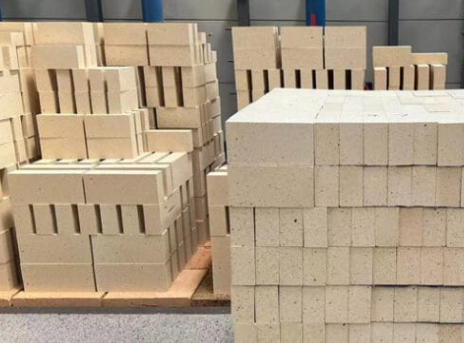
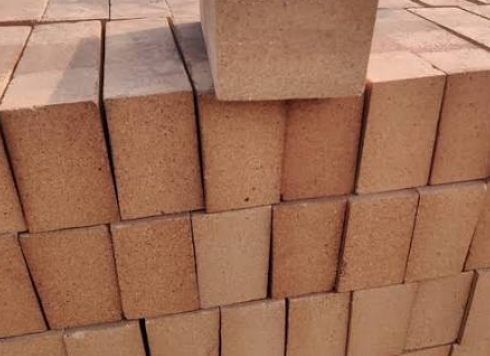
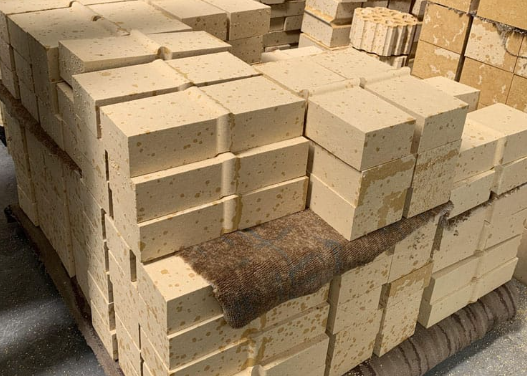
When procurement teams at steel foundries and refining shops evaluate ladle working lining refractories, the choice between high-alumina brick and magnesia-carbon (MgO-C) brick often comes down to one blunt question: which one lasts longer, and by how much?
The short answer is uncomfortable but honest: there is no single “life difference” figure. Reported service life varies wildly depending on slag chemistry, steel grade, ladle turnover, and whether the brick is used in the slag line or the sidewall. What the data does show, however, is that MgO-C brick generally outperforms high-alumina brick in slag-line and high-basicity refining conditions, while high-alumina brick retains a legitimate role in sidewall and low-carbon steel applications where carbon pickup is a concern.
Below is a procurement-oriented breakdown of what buyers need to know before issuing a purchase order.
The first mistake in refractory procurement is treating “ladle working lining” as a single application. It is not. A 150-ton LF ladle and a 25-ton foundry ladle impose different thermal cycles, slag chemistries, and hold times. Before comparing brick types, procurement should lock down four parameters:
Steel grade and carbon sensitivity: For low-carbon and IF steels, carbon pickup from MgO-C brick is a metallurgical risk. High-alumina or spinel-bonded alternatives may be mandated regardless of life.
Slag basicity and FeO content: High-basicity refining slags attack aluminosilicate bonds aggressively. MgO-C brick is engineered for this environment.
Ladle cycling and preheat constraints: Carbon-bonded brick requires controlled preheating; high-alumina brick has different thermal schedules. Operational discipline directly affects achieved life.
Repair and gunning philosophy: A brick that lasts 80 heats but cannot be hot-repaired may cost more per ton than a 60-heat brick with a mature gunning practice.
For ferro alloy suppliers and foundries sourcing refractories alongside alloys, the practical takeaway is this: specify the brick by zone and duty, not as a single “working lining” line item.
Published service-life figures for high-alumina versus MgO-C brick are scattered, but several benchmarks are worth citing in a procurement review.
High-alumina brick in ladle sidewalls has historically delivered moderate campaigns. At Baosteel’s 300-ton ladles, early high-alumina working linings averaged roughly 50 heats before peeling and slag adhesion forced replacement; the introduction of aluminum-magnesia-carbon and micro-expansion high-alumina bricks eventually pushed ladle campaigns above 100 heats. In smaller LF ladles, high-alumina brick in the sidewall was reported to fail earlier than carbon-bonded alternatives, with one trial noting that high-alumina sections were “seriously damaged” by the time slag-line MgO-C remained thick and serviceable.
MgO-C brick dominates slag-line applications for a reason. In a 25-ton LF trial using conventional MgO-C, average ladle life was only about 28–29 heats under aggressive acidic slag conditions; with an inhibitor-modified MgO-C, life rose to 80–94 heats. More recent industrial trials of MgO-C with calcium magnesium aluminate (CMA) additions in a 120-ton refining ladle ran 138 cycles with a corrosion rate of 0.8 mm per heat, compared with 1.2 mm per heat for conventional MgO-C reaching 132 cycles. That is a 33% reduction in wear rate, not a doubling of life—an important nuance for buyers expecting miracle numbers.
Zone-specific comparisons are more useful than global averages. A 150-ton ladle study at Rourkela Steel Plant achieved roughly 40% improvement in overall ladle life by combining superior MgO-C in the slag zone with 75% Al₂O₃ brick in the metal zone and AMC brick at the bottom. The message for procurement: the question is not “which brick wins” but “which brick wins in this zone.”
When requesting quotations from refractory suppliers, the following framework prevents apples-to-oranges comparisons:
| Specification Item | What to Require from Suppliers | Why It Matters |
|---|---|---|
| Zone-specific brick grades | Separate offers for slag line, sidewall, and bottom | A single “ladle brick” quote obscures where life is actually lost |
| Carbon content (for MgO-C) | Explicit C% and whether low-carbon grades are available | Carbon pickup risk for low-C steels; low-carbon MgO-C may match conventional life |
| Al₂O₃ content and bond type (for high-alumina) | Specify whether fired, unfired, or micro-expansion | Micro-expansion high-alumina can improve joint tightness and slag resistance |
| Reference life by zone | Ask for heats achieved in comparable ladle size and slag basicity | Global “average life” claims are meaningless without context |
| Corrosion rate (mm/heat) | Request from trial data, not marketing literature | Enables calculation of cost per ton of steel, not just cost per brick |
| Repair compatibility | Whether gunning or patching materials are available and proven | A longer-life brick without repair support may cost more overall |
A practical procurement rule: If your ladle operates with high-basicity LF slag and the slag line is the limiting zone, MgO-C (or MgO-CMA-C) is the default technical choice. If carbon pickup is prohibited or the sidewall is the limiting zone, specify micro-expansion high-alumina or aluminum-magnesia alternatives and demand zone-specific life data.
Refractory suppliers range from integrated majors to regional brick producers. For a ferro alloy company serving steel foundries, supplier evaluation should focus on application evidence rather than catalog specifications.
Questions that separate serious suppliers from catalog sellers:
“Show me residual brick thickness data from a ladle of similar size and slag chemistry.” A supplier who cannot provide post-mortem measurements is guessing.
“What is the corrosion rate in mm per heat for your slag-line brick?” This is the single most useful number for cost modeling. One trial reported 0.88 mm/heat for an alumina-magnesia brick versus 2.36 mm/heat for zircon in the impact zone—a 2.7× difference that reshapes maintenance planning.
“Can you support a zone-mixed lining design?” The best-performing ladles rarely use one brick everywhere. Suppliers who understand slag-line MgO-C + sidewall high-alumina or AMC configurations are more valuable than those selling a single grade.
“What is your preheat recommendation, and what happens if we deviate?” Carbon-bonded brick failures are frequently operational, not material. A supplier who glosses over preheat discipline is a liability.
What to distrust:
“Our brick lasts 200 heats” without stated ladle size, slag chemistry, and zone.
Direct comparisons of high-alumina and MgO-C “average life” drawn from different plants with different operating practices.
Low-carbon MgO-C claims without stability data; one steel plant noted that low-carbon MgO-C quality was “unstable” even when life matched conventional grades.
MgO-C brick generally delivers longer life than high-alumina brick in slag-line and high-basicity refining zones—often by a factor of 2 to 3 in aggressive conditions—but the advantage disappears or reverses in sidewall and carbon-sensitive applications.
For procurement, the actionable conclusion is:
Do not buy “ladle brick” as a commodity. Buy slag-line performance and sidewall performance separately.
Use corrosion rate (mm/heat) and cost-per-ton-of-steel as the comparison metrics, not heats alone.
Demand zone-specific references. A supplier who knows where their brick fails is more trustworthy than one who claims it never does.
At Beifang Alloy, we supply ferro alloys to steel foundries and refining operations, and we understand that refractory life directly affects your cost per heat. If you are evaluating ladle lining options alongside your alloy procurement, contact us at info@hnxyie.com or visit www.beifangalloy.com for application-focused support.