In the competitive world of metallurgy and foundry operations, maximizing efficiency while minimizing costs is paramount. Silicon metal and its associated by-products play a crucial role in modern industrial processes, from steelmaking and casting to semiconductor manufacturing and construction materials. As a professional ferroalloy factory with years of experience, Beifang Alloy offers high-quality silicon metal and its derivatives, serving global buyers with reliable supply and competitive pricing.
This comprehensive guide explores the essential aspects of silicon metal and its by-products, including procurement needs, industry research, practical procurement strategies, and supplier comparison—helping procurement managers and metallurgists make informed decisions.
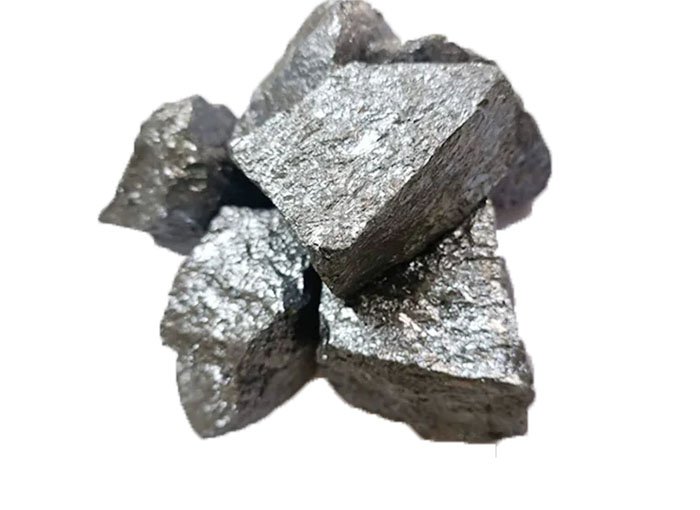
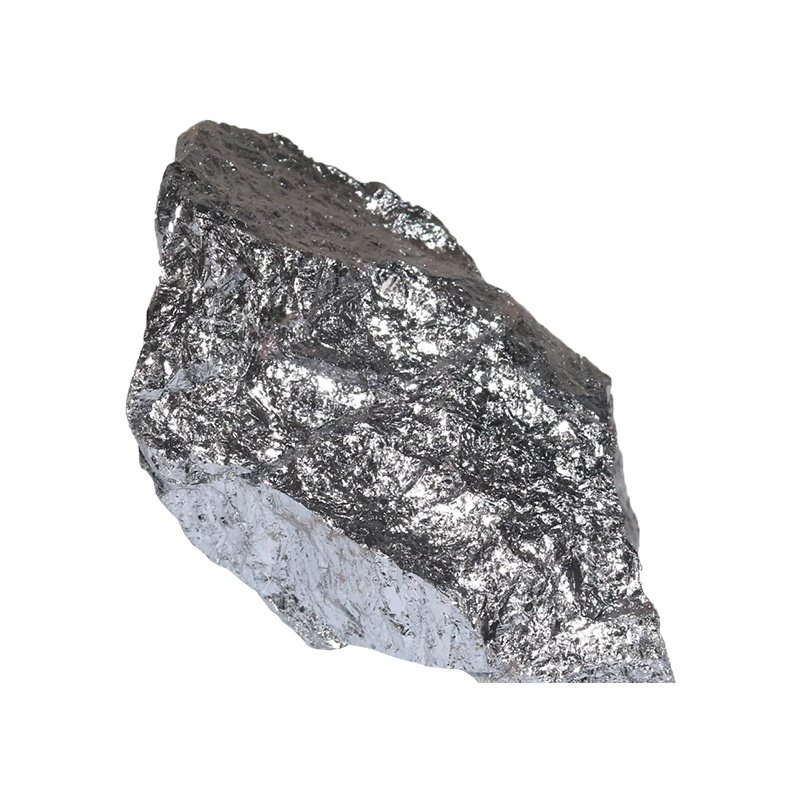
Silicon Metal, also referred to as crystalline silicon or industrial silicon, is produced by smelting quartz and coke in an electric arc furnace. Its main component is silicon, with a purity level of approximately 98%, while the remaining consists of impurity elements such as iron, aluminum, and calcium. High-purity variants of silicon metal are also available for specialized applications .
This material shares similar properties with germanium, lead, and tin, exhibiting semiconductor characteristics. However, it is insoluble in acids at room temperature and readily dissolves in alkalis. The typical particle size of silicon metal ranges from 10 to 100 mm. In appearance, it is silver-gray with a crystalline structure, featuring a smooth surface free from roughness or protrusions caused by oxidation.
During silicon metal production, several valuable by-products are generated:
Often called high-carbon silicon due to its elevated carbon content and valuable metallic components, silicon-carbon alloy is produced by melting and smelting silica (SiO₂) and coke at high temperatures. This alloy primarily contains silicon, iron, carbon, and trace elements. In steelmaking, silicon-carbon alloy plays a vital role owing to its deoxidizing and slag-removing properties—making it a frequently sourced metallurgical material by steel plants .
Microsilica, also known as silica fume or ultrafine silica powder, appears as a gray or off-white powder with a refractoriness exceeding 1600°C and a bulk density of 200–250 kg/m³. Its primary applications include use as an admixture in cement or concrete, an additive in refractory materials, a binder in metallurgical pellets, and a dispersant in chemical products .
Silicon slag is categorized into ferrosilicon slag and silicon metal slag, both of which are residues from the refining of silicon ore. Although a by-product, silicon slag still contains a substantial amount of silicon (typically 30%-70%) and holds considerable value. It can be processed through crushing and sorting to extract metallic silicon, reused as a deoxidizer, applied in steel slag refining, or utilized as a reducing agent in the re-smelting of stainless steel in electric furnaces .
Edge silicon is a colorless, transparent polymer known for its high-temperature resistance, chemical stability, high dielectric constant, and low dielectric loss. It is widely used in semiconductor packaging due to its strong interfacial adhesion and thermal resistance, with applications extending to optoelectronics, medical devices, and aerospace .
Before beginning your sourcing journey, clearly defining your requirements is essential. This ensures you source products that perfectly match your production process.
Determine the primary use of the material:
Steelmaking: Requires high silicon content for deoxidation and alloying
Foundry & Casting: Needs consistent composition for alloy adjustment
Semiconductor Manufacturing: Demands high-purity silicon with strict impurity controls
Construction Materials: Utilizes microsilica for concrete enhancement
The most critical factor in procurement is chemical composition :
| Product | Key Parameters | Typical Range |
|---|---|---|
| Silicon Metal | Silicon (Si) Content | 98%+ purity |
| Silicon Slag | Silicon (Si) Content | 30% – 70% |
| Silicon-Carbon Alloy | Si & C Content | Varies by grade |
| Microsilica | SiO₂ Content | 85% – 98% |
Impurity Levels: Specify maximum limits for elements like Phosphorus (P), Sulfur (S), Aluminum (Al), and Calcium (Ca), which can adversely affect the quality of your final product.
Particle Size: Common ranges include 0-10mm, 10-50mm, 10-100mm, or customized specifications. The right size ensures predictable melting rates and efficient recovery in your furnace .
Moisture and Dust Control: Impacts handling, storage, and safety.
Packaging Requirements: Bulk bags, standard bags (1 MT), or loose in containers.
Estimate your monthly or annual consumption. Bulk purchasing (e.g., container loads or full vessel shipments) offers significant cost advantages. Plan your logistics—will you need FOB, CIF, or CFR terms?
The silicon metal and ferroalloy market is undergoing significant transformation, influenced by global factors that savvy buyers must understand .
The ferro silicon market expanded from USD 11.26 billion in 2025 to USD 11.84 billion in 2026, with a forecasted compound annual growth rate (CAGR) of 5.23%, expecting to reach USD 16.10 billion by 2032 . Similarly, the global ferrosilicon alloy materials market is projected to grow from USD 10.83 billion in 2025 to USD 17.52 billion by 2033, at a CAGR of 6.2% .
Growing Demand in Steel & Foundry Industries
Silicon slag and silicon metal are cost-effective alternatives to pure materials in steel refining
Rising infrastructure projects in emerging markets drive demand
Environmental & Cost Benefits
Recycling silicon by-products reduces waste and production costs
Strict environmental regulations push manufacturers toward efficient byproduct utilization
Sustainability Imperatives
Advances in sustainable production and traceability are now expected by leading buyers
Procurement decisions increasingly prioritize cleaner processes and source transparency
China remains the largest producer of silicon metal and ferroalloys, with competitive pricing but facing new challenges:
Overcapacity Concerns: China’s ferro silicon market braces for overcapacity in 2026, with approximately 1.04 million tonnes of new capacity slated for commissioning .
Cost Pressures: Shaanxi province will impose a surcharge on electricity prices for the ferroalloy sector starting from July 1, 2026, directly increasing production costs .
Regional Shifts: Export markets (India, Europe, Southeast Asia) show increasing demand, while traditional markets face pressure .
Steel production—the core consuming sector—is undergoing a structural phase of “volume reduction and stock optimization,” which will cap demand growth. However, stainless steel and specialty alloys offer modest growth opportunities .
Follow these practical steps to streamline your bulk procurement process and secure the best value.
Before engaging suppliers, create a detailed specification sheet including:
Required silicon content and acceptable ranges
Impurity limits (Al, Ca, S, P, etc.)
Particle size distribution
Packaging preferences
Volume requirements (trial vs. bulk)
Target pricing and Incoterms
Use B2B platforms, industry directories, and trade shows to create a shortlist of manufacturers and exporters. Prioritize direct sources like Beifang Alloy to avoid middleman markups and ensure quality control .
Send detailed RFQs to multiple suppliers, including:
Your complete technical specifications
Desired Incoterms (FOB, CIF, CFR)
Target volume and delivery schedule
Request for Certificates of Analysis (CoA)
Payment terms preferences
Don’t just compare prices. Scrutinize:
Chemical Analysis Reports (SGS, BV, or in-house certifications)
Pricing terms and payment methods
Lead times and production capacity
Shipping and logistics capabilities
Always request a production sample before placing a large order. Test this sample in your lab or facility to verify it meets your operational needs. Beifang Alloy provides free samples and detailed technical support to assist buyers in making informed decisions .
Verify supplier credentials:
Check certifications (ISO, SGS) and production capacity
Review past customer feedback and industry reputation
Conduct remote audits using video calls to inspect facilities
For bulk orders, arrange a third-party inspection (e.g., SGS, CCIC, TÜV) at the load port to verify weight and quality before shipment. This protects your investment and ensures compliance .
Negotiate terms based on your volume and the potential for a long-term partnership. Ensure all agreements on quality, payment, and delivery are clearly stated in the contract.
A reliable supplier is a strategic asset. Foster good communication and a long-term relationship for consistent quality and priority support .
Choosing the wrong supplier can lead to production delays, inconsistent quality, and financial loss. Here’s a comprehensive framework for supplier evaluation.
| Evaluation Factor | What to Look For | Red Flags |
|---|---|---|
| Source Type | Direct manufacturer with own factory | Traders or resellers without production facilities |
| Quality Control | Strict in-house QC with certified lab analysis; Material Test Certificates (MTC) provided | Vague processes; reluctance to share test reports |
| Production Capacity | Large, stable output ensuring consistent supply | Unreliable capacity; sources from multiple places |
| Technical Expertise | Offers metallurgical expertise and application advice | Limited product knowledge |
| Sample Policy | Provides representative samples for testing | Reluctant or unable to provide true samples |
| Logistics Handling | Experienced in bulk shipping and export documentation | Inexperienced with international shipping |
| Certifications | ISO, SGS, REACH compliance (for EU markets) | No verifiable certifications |
| Communication | Dedicated account managers; fast response times | Slow or unclear communication |
| Feature | Average Trader/Reseller | Beifang Alloy (Direct Manufacturer) |
|---|---|---|
| Source of Material | Third-party; quality can vary | Direct from our own production; quality controlled and consistent |
| Pricing | Marked up to include margins | Competitive factory-direct pricing |
| Quality Control | Relies on manufacturer’s information | In-house, rigorous QC with certified lab analysis |
| Technical Support | Limited product knowledge | Deep technical expertise for application advice |
| Supply Reliability | Subject to others’ inventory | Stable supply from large-scale production |
| Customization | Limited options | Ability to customize size and packaging |
| Production Capacity | Unpredictable | Large-scale, stable output |
| Chemical Consistency | Variable | Strict ISO standards, low impurities |
Beyond basic qualifications, consider these operational metrics :
On-time delivery rate: Benchmark above 95% indicates strong logistics control
Response time: Sub-24-hour responses suggest dedicated customer service
Reorder rate: Reflects customer satisfaction and consistent quality
Transaction history: Sustained market presence indicates reliability
As an established ferroalloy factory with decades of experience, Beifang Alloy offers unparalleled advantages for your bulk procurement needs.
✅ Direct Source & Stable Supply: We control our production, ensuring reliable volume and consistent grading for large-scale buyers. Our long-term contracts with top smelters ensure stable supply even during market fluctuations .
✅ Superior Quality Control: Our products undergo rigorous in-house quality inspection before shipment. We provide certified chemical analysis reports with every shipment, ensuring predictable and desirable composition with low impurity levels .
✅ Competitive Pricing: By eliminating middlemen, we offer mill-direct prices—typically 10-20% lower than intermediaries—without compromising on quality .
✅ Comprehensive Product Range:
Silicon Metal (various industrial grades)
Silicon Metal Powder (different categories and particle sizes)
Silicon-Carbon Alloy
Silicon Slag (Si 30%-70%)
Customized silicon metal lumps, granules, and powder products
✅ Technical Expertise: Our team provides not just products, but solutions. We can advise on optimal specifications for your specific application to improve yield and reduce costs .
✅ Global Export Experience: We are proficient in handling all aspects of international trade, including shipping, documentation, and inspection services, with flexible Incoterms (FOB, CIF, CFR, EXW) .
✅ Customization Options: We support the customization of silicon metal lumps, granules, and powder products to meet specific customer requirements, including tailored sizes and packaging .
At Beifang Alloy, quality is not just a promise—it’s a process. Our quality assurance framework includes:
Raw Material Selection: Careful sourcing of quartz and coke from trusted suppliers
In-Process Control: Monitoring during smelting and refining stages
Final Product Testing: Comprehensive chemical analysis using advanced equipment
Third-Party Verification: Optional SGS, BV, or CCIC inspection at load port
For buyers importing into regulated markets, we understand the importance of compliance:
REACH Certification: For EU-bound shipments, we can provide necessary documentation or work with your appointed OR
ISO Standards: We maintain certifications aligned with international quality management standards
Material Safety Data Sheets (MSDS): Provided with all shipments
For silicon metal and silicon slag, bulk orders typically start at 1 ton (for sample orders) to 20-foot container loads (approximately 20-25 tons). For silicon metal powder, smaller quantities may be available for testing purposes .
Bulk shipments typically take 20-30 days from contract confirmation. Sample orders can be dispatched within 5-7 working days. Air freight options are available for urgent small orders .
Yes, Beifang Alloy provides free samples (buyer covers shipping costs) for qualification testing. We recommend testing samples in your production process before placing bulk orders .
We provide comprehensive documentation including:
Commercial Invoice
Packing List
Bill of Lading
Certificate of Origin
Material Test Certificate (MTC) with chemical analysis
Material Safety Data Sheet (MSDS)
Third-party inspection reports (if requested)
Absolutely. We support customization of silicon metal lumps, granules, and powder products to meet specific customer requirements, including tailored chemical compositions (within our production capabilities) and physical specifications .
Our quality consistency is maintained through:
Controlled raw material sourcing
Standardized production processes
Batch-specific testing and documentation
Retention of production samples for reference
Continuous process improvement
By understanding the properties, production methods, and applications of silicon metal and its by-products, industries can better leverage these materials to enhance product performance and operational efficiency. Silicon slag represents a valuable resource in the circular economy of the metallurgical industry, where its recycling contributes to cost reduction and environmental sustainability .
Beifang Alloy stands as a trusted manufacturer, offering high-quality silicon metal and its derivatives with excellent service and global logistics support. Whether you need silicon metal for semiconductor applications, silicon slag for cost-effective steelmaking, or microsilica for high-performance concrete, we have the expertise and capacity to meet your requirements.
Contact Beifang Alloy today for:
Competitive quotations tailored to your specifications
Detailed product specification sheets
Free samples for testing in your facility
Technical consultation on optimal material selection
Reliable, long-term supply partnerships
📧 Email: info@hnxyie.com
🌐 Website: www.beifangalloy.com