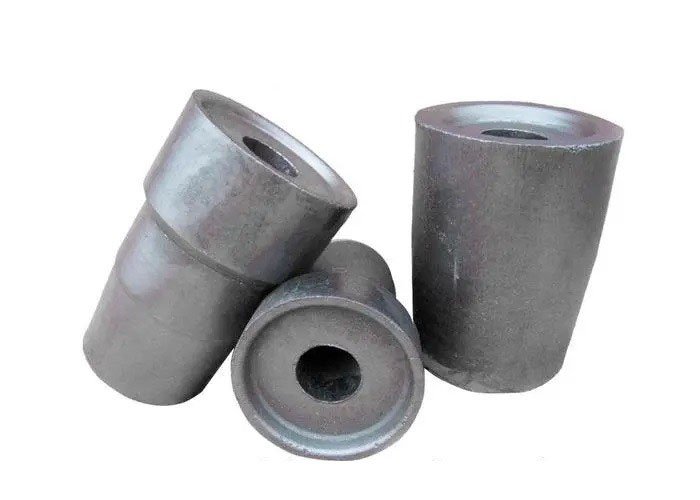
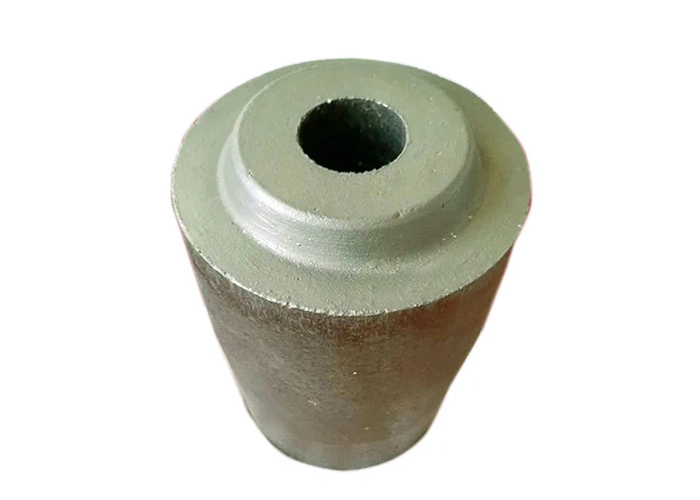
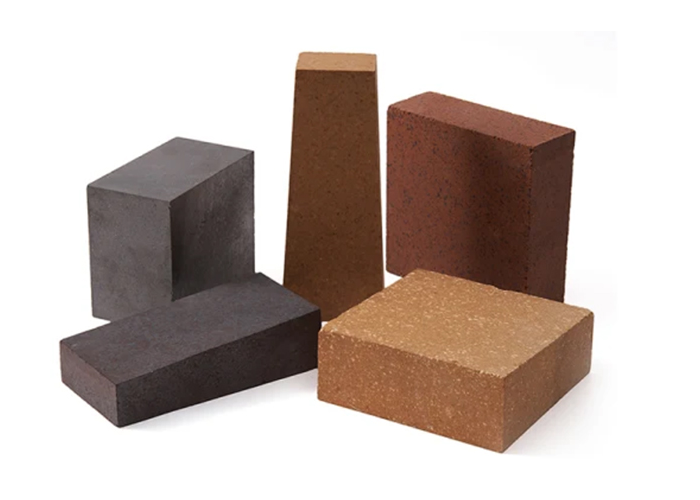
The ladle shroud (also called a protective tube) is an Al₂O₃–C round tubular refractory channel connecting the ladle and the tundish. It is installed below the ladle slide gate, connects to the ladle lower nozzle at the top, and is inserted into the molten steel in the tundish at the bottom. Its core function is to guide the molten steel flow, prevent secondary oxidation of molten steel and splashing of the steel stream, and it is a key functional refractory material for achieving protective casting and improving billet quality.
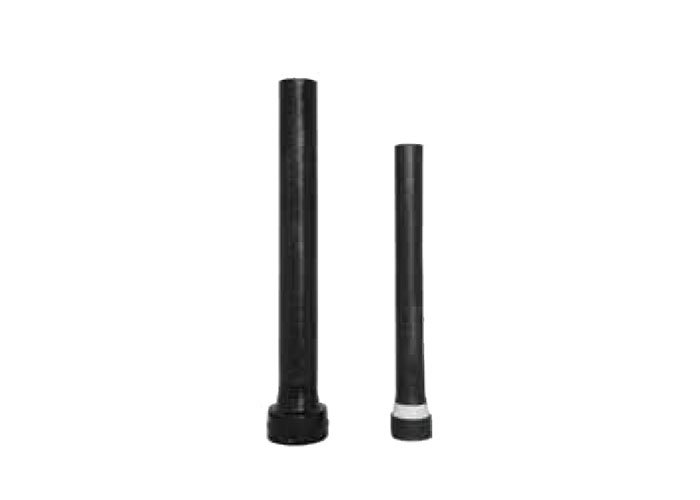
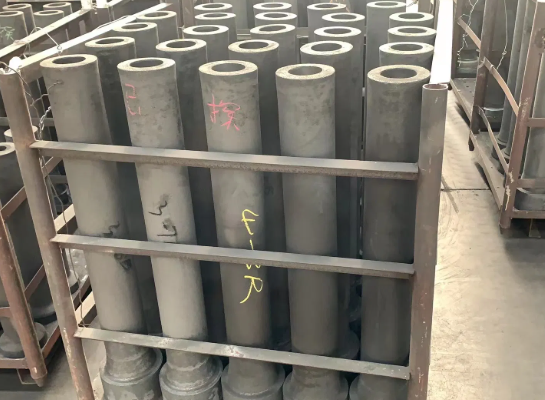
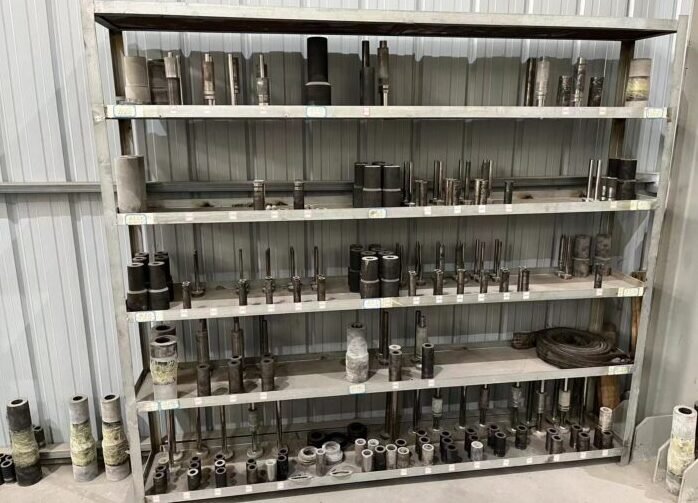
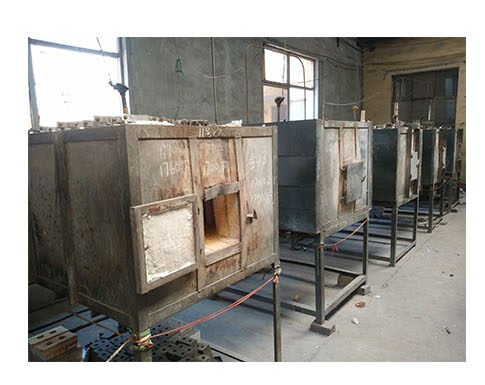
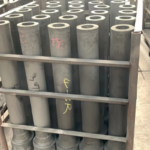
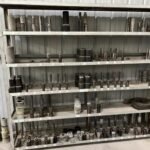
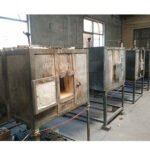
The ladle shroud (also called a protective tube) is an Al₂O₃–C round tubular refractory channel connecting the ladle and the tundish. It is installed below the ladle slide gate, connects to the ladle lower nozzle at the top, and is inserted into the molten steel in the tundish at the bottom. Its core function is to guide the molten steel flow, prevent secondary oxidation of molten steel and splashing of the steel stream, and it is a key functional refractory material for achieving protective casting and improving billet quality.
The ladle shroud faces extremely harsh working conditions during use: at the beginning of casting, molten steel at over 1500℃ flows instantly through the bore, causing the inner surface temperature to rise sharply while the outer surface remains at room temperature, generating enormous thermal stress that can easily cause cracking. Therefore, traditional ladle shrouds must be preheated to above 1000℃ before use, which not only consumes energy and worsens the operating environment but also makes replacement operations cumbersome and time-consuming. The development of non-preheating ladle shrouds has become a key direction for solving this problem.
Non-preheating technology is mainly achieved through two approaches: first, adding materials with high thermal conductivity such as graphite and low thermal expansion such as fused silica, but this reduces erosion and scouring resistance; second, compositing a low-thermal-conductivity insulating layer on the inner bore, which is also the main development trend for non-preheating ladle shrouds. Modern ladle shrouds can achieve a service life of over 40 heats, meeting the needs of clean steel smelting.
Ladle shrouds are divided by function into preheating type / non-preheating type and argon-blowing type / non-argon-blowing type; by material into alumina-carbon, alumina-zirconia-carbon, magnesia-carbon, etc.
Typical product technical parameters:
| Item | Alumina-Carbon | Alumina-Zirconia-Carbon (Slag Line) | ||||
| Bulk density (g/cm³) | 2.08 | 2.31 | 2.37 | 2.46 | 3.2 | 3.0 |
| Apparent porosity (%) | 16.5 | 16.3 | 18 | 17.6 | 17 | 18.5 |
| Cold compressive strength (MPa) | 26 | 27 | 24 | — | — | — |
| Flexural strength (MPa) Cold | 9.2 | 9.9 | 8 | 8.5 | 7 | 8 |
| Flexural strength (MPa) 1400℃ | 9.1 | 8.8 | 8.7 | 9.9 | — | — |
| 1000℃ thermal expansion (%) | 0.28 | 0.3 | 0.37 | 0.4 | 0.33 | 0.47 |
| Al₂O₃ (%) | 37 | 56 | 62 | 69 | 18 | — |
| ZrO₂ (%) | — | — | — | — | 68 | 48 |
| SiO₂ (%) | 24 | 11 | 5 | — | — | — |
| F.C+SiC (%) | 35+1 | 29+0 | — | 31+0 | — | — |
Other specification references:
The ladle shroud is dedicated to protective casting of the steel stream from ladle to tundish in continuous casting processes in the iron and steel smelting industry. It is installed below the ladle slide gate and is one of the “three major components” of continuous casting (ladle shroud, submerged entry nozzle, and monolithic stopper rod).
Specific application scenarios:
Installation method: The ladle shroud is held by a manipulator (manual, semi-automatic, or fully automatic), with the upper end connected to the ladle lower nozzle and the lower end inserted into the molten steel in the tundish. An argon sealing device is provided at the joint, and argon is continuously blown for protection during casting. It needs to be preheated before use (traditional type) or can be used directly (non-preheating type).