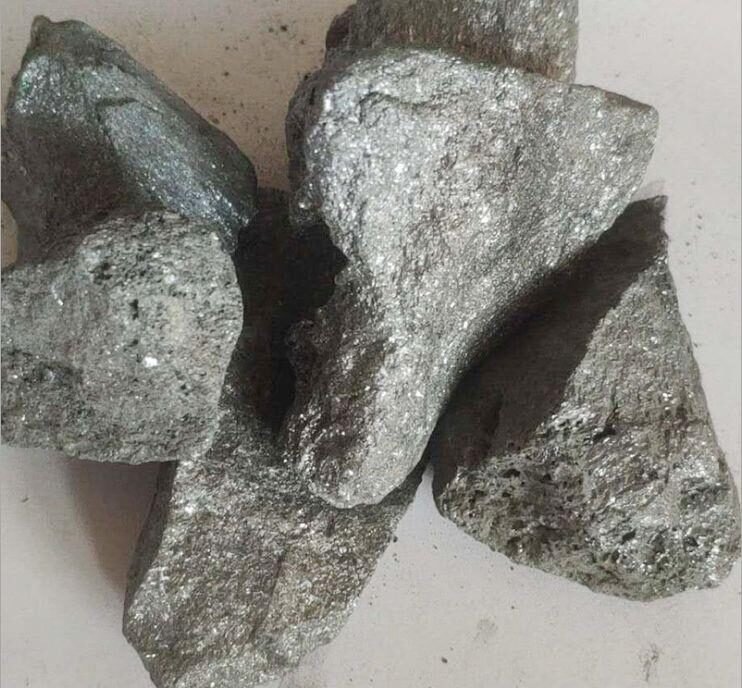
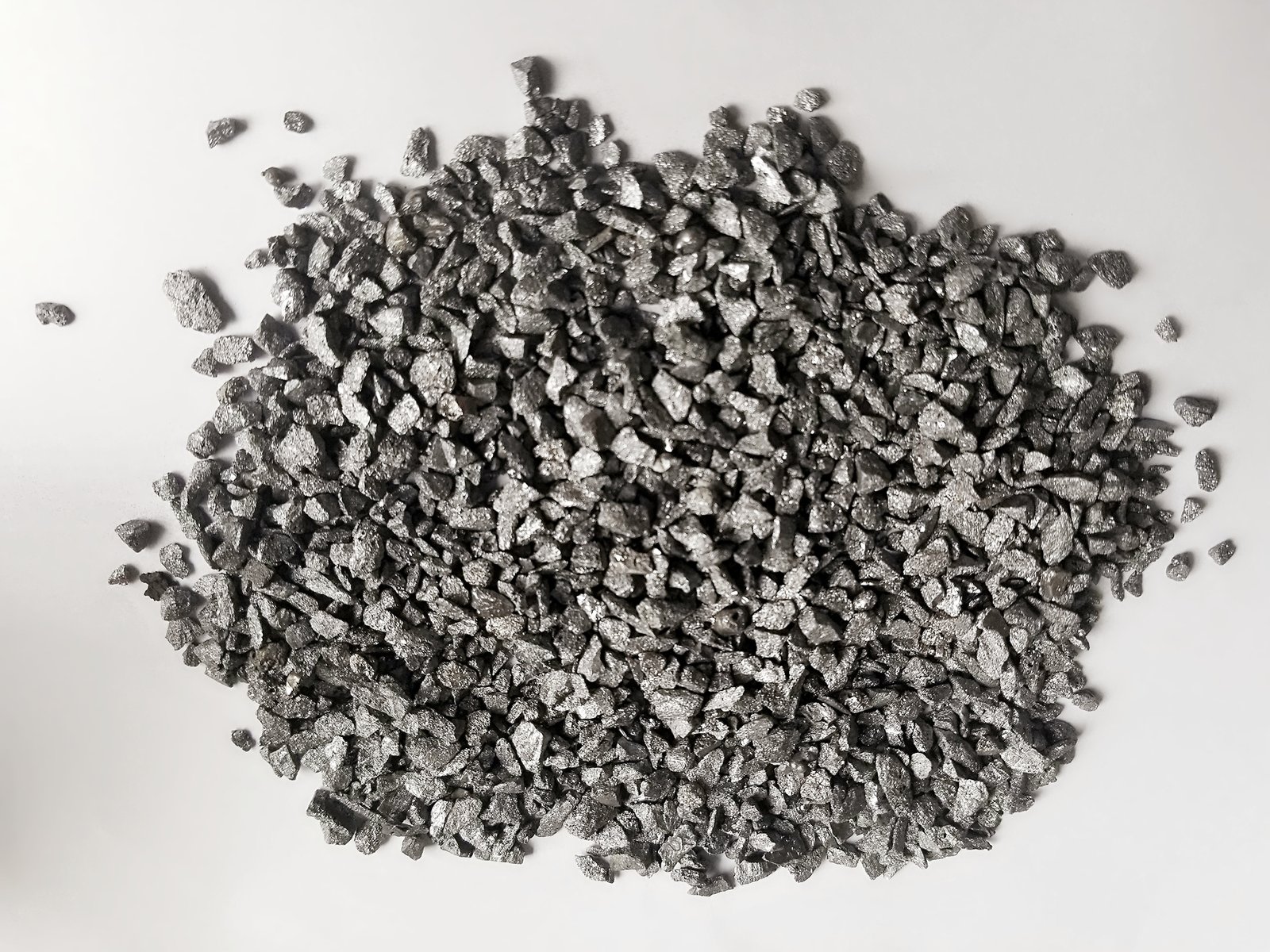
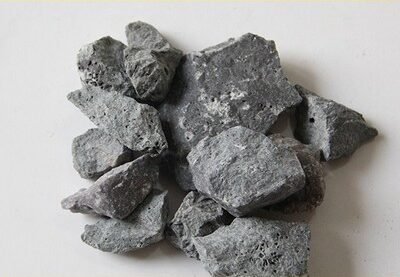
In the competitive world of steelmaking, efficiency and safety are not just buzzwords—they are the pillars of profitability. As a leading ferroalloy factory, Beifang Alloy (www.beifangalloy.com) understands that modern steel mills are constantly seeking materials that can optimize production without compromising on environmental standards or operational safety.
One of the most significant innovations in this field is the Silicon-Calcium-Manganese (Si-Ca-Mn) Deoxidizer. While many suppliers list technical specifications, the phrase “No Smoke, No Flame” often appears as a key feature. But what does this actually mean for your bottom line, your workers, and your procurement strategy?
When procurement managers look for deoxidizers, they traditionally focus on chemical composition (Si, Ca, Mn content) and price per ton. However, the true cost of a deoxidizer is hidden in its application.
Traditional deoxidizers, such as pure aluminum or ferrosilicon, often generate significant smoke (fumes) and flame when introduced to molten steel. This reaction is caused by the violent oxidation of elements at high temperatures.
The “No Smoke, No Flame” Advantage:
Si-Ca-Mn deoxidizers are engineered to have a lower melting point and faster melting speed compared to traditional alternatives . Because of this metallurgical property, the reaction is calmer and more controlled. For the procurement department, this translates to:
Lower Material Consumption: A calm reaction means less material is lost to oxidation, ensuring more of the alloy actually goes into deoxidizing the steel.
Reduced Environmental Compliance Costs: With no heavy smoke, steel mills can significantly reduce the load on their fume extraction systems, lowering energy costs and maintenance requirements.
Improved Yield: The “no flame” characteristic indicates a more efficient chemical reaction, leading to cleaner steel and fewer rejects.
Industry research into deoxidation technology highlights a clear trend: the move away from hazardous, high-reaction materials toward complex, multi-element alloys .
Studies on deoxidation mechanisms show that while traditional agents like aluminum are effective, they often produce solid alumina inclusions that clog nozzles. In contrast, Silicon-Calcium-Manganese alloys are designed to create liquid inclusions that are easier to remove.
However, the environmental impact is the current focal point of industry studies. The generation of smoke and flame in the steel shop is associated with:
Loss of Alloying Elements: When a deoxidizer burns (flames), the elements are oxidizing into the air rather than dissolving into the steel.
Workplace Safety Hazards: Flames and smoke reduce visibility for operators and increase the risk of burns and respiratory issues.
The “No Smoke, No Flame” property of Si-Ca-Mn deoxidizers aligns with the global push for green steel production. It allows mills to maintain high safety standards without sacrificing the deep deoxidation and desulfurization capabilities required for high-quality steel .
When purchasing Si-Ca-Mn deoxidizers, buyers should look beyond the certificate of analysis. Here is a guide to ensuring the product truly delivers on the “No Smoke, No Flame” promise:
| Feature | Why It Matters | What to Look For |
|---|---|---|
| Melting Point | Lower melting point ensures the alloy dissolves before it burns. | Alloys with optimized Ca and Mn ratios that lower the overall melting point . |
| Particle Size | Uniform particle size ensures consistent feeding and reaction. | Consistent granulation to avoid fine dust (smoke) and ensure rapid dissolution. |
| Composition Balance | High Aluminum content can sometimes cause violent reactions if not balanced. | A balanced Si-Ca-Mn ratio that promotes deep deoxidation without volatility . |
| Safety Data | Verifies handling and storage safety. | Documentation confirming low reactivity and environmental safety compliance . |
The market offers various suppliers of ferroalloys, but the quality of “No Smoke, No Flame” Si-Ca-Mn deoxidizers varies significantly based on the manufacturer’s technology.
Generic Suppliers:
Often prioritize low prices, leading to inconsistent chemical composition.
May use higher Aluminum content, which can cause violent reactions (smoke/flame) and increase hydrogen content in steel.
Limited technical support for optimizing usage.
Beifang Alloy (The Beifang Advantage):
Technology-Driven: We specifically produce aluminum-series deoxidizers designed to ensure the steel does not pick up unwanted nitrogen or silicon .
Performance Focus: Our Si-Ca-Mn deoxidizers are manufactured to maximize fluidity and minimize reaction volatility. This ensures the “No Smoke, No Flame” property is consistent, not just a marketing claim.
Cost Efficiency: By using our deoxidizers, mills can reduce the amount of deoxidizer needed per ton of steel (typically 3-5KG/ton), leading to significant cost savings .
For steel mills aiming to balance operational safety with production efficiency, the Silicon-Calcium-Manganese Deoxidizer is the superior choice. The “No Smoke, No Flame” characteristic is not just about aesthetics—it represents a more complete chemical reaction, better safety for workers, and a cleaner environment.
Contact Beifang Alloy today to discuss how our high-performance deoxidizers can optimize your steelmaking process.
Website: www.beifangalloy.com
Email: info@hnxyie.com