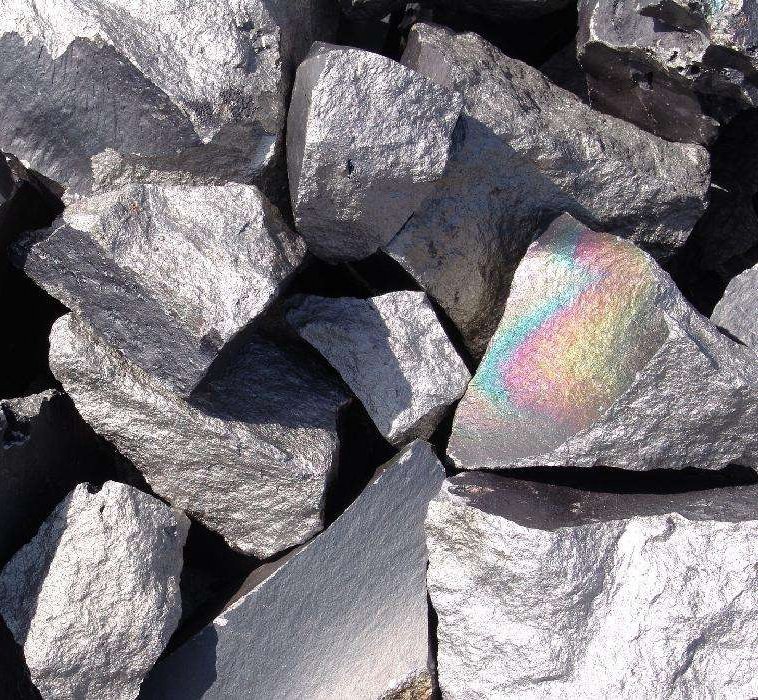
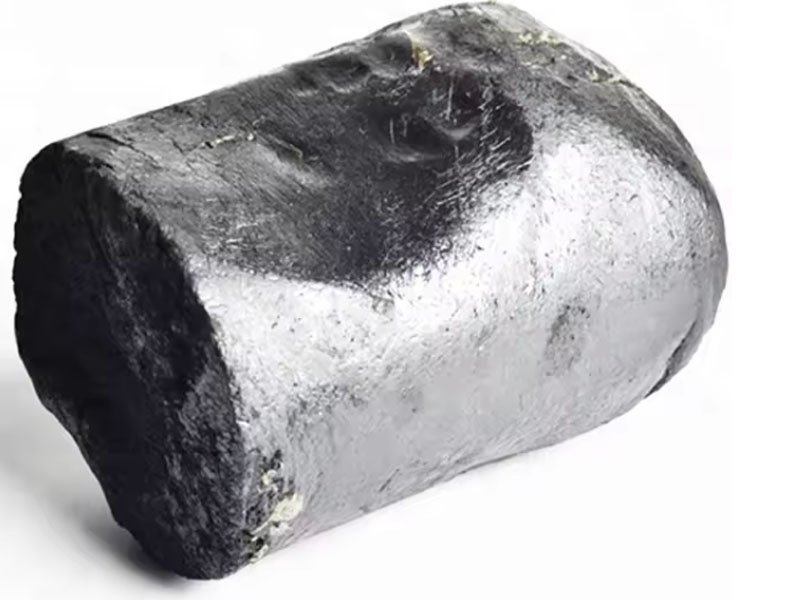
While both High-Purity Ferrosilicon and Silicon Metal are fundamental silicon-based products, they serve distinct roles in global industry due to differences in composition, manufacturing, and application. Below is a detailed breakdown of how these two materials compare.
1. Composition
High-Purity Ferrosilicon: This is a ferroalloy composed primarily of silicon and iron. The silicon content typically exceeds 90%, with iron making up the balance. Depending on customer requirements, grades such as 75% or 90% silicon are available.
Silicon Metal: This is a refined, elemental material with a silicon content of 98% or higher. It contains only trace amounts of iron, aluminum, and calcium. For specialized sectors like semiconductors and photovoltaics, even higher purity grades are produced through additional refining.
2. Production Process
High-Purity Ferrosilicon: Produced by smelting silica (SiO₂) with iron sources (such as iron ore or scrap steel) in a submerged electric arc furnace. The presence of iron is intentional, as it aids in alloying and deoxidation.
Silicon Metal: Manufactured through the carbothermic reduction of high-purity quartz (SiO₂) using carbon materials like coal, coke, or wood chips. No iron is added during this process, ensuring the final product remains a high-purity elemental form.
3. Applications
High-Purity Ferrosilicon: Widely used in the steelmaking and casting industries. It serves as an essential deoxidizer to remove oxygen from molten steel and as an alloying agent to improve hardness, strength, and corrosion resistance.
Silicon Metal: Due to its exceptional purity, it is a critical raw material for high-tech industries:
Electronics: Base material for semiconductors, wafers, and chips.
Photovoltaics: Key component in the production of solar cells.
Chemicals: Used to manufacture silicones, sealants, and resins.
4. Performance & Purity
High-Purity Ferrosilicon: Offers strong deoxidizing performance and metallurgical properties, but contains higher levels of iron and other elements. It is optimized for metallurgical processes rather than chemical purity.
Silicon Metal: Valued for its chemical purity and consistency. It can be further refined to meet the stringent specifications required for electronics and solar energy applications.
5. Price & Market Positioning
High-Purity Ferrosilicon: The production process is less complex, making it a cost-effective solution for large-scale industrial applications like steel production.
Silicon Metal: The stricter purity standards and complex production process result in a higher market value. As global demand for solar energy and electronics continues to grow, the value and importance of silicon metal are steadily increasing.
6. Role as a Reducing Agent
High-Purity Ferrosilicon: Acts as a powerful reducing agent in steelmaking, effectively binding with oxygen to improve metal quality.
Silicon Metal: While chemically capable of reduction, it is primarily reserved for high-tech manufacturing and is not typically used as a bulk deoxidizer in steel mills.
About Beifang Metal
High-Purity Ferrosilicon and Silicon Metal may share a common element, but their roles in industry are vastly different. Ferrosilicon remains a workhorse for traditional steel manufacturing, while Silicon Metal is a cornerstone of the modern high-tech economy.
As a specialized manufacturer, Beifang Metal is committed to providing high-quality materials tailored to your specific needs. Whether you require ferrosilicon for metallurgy or high-purity silicon for advanced applications, we are here to support your success.
Have questions or specific requirements? Contact us today. We look forward to partnering with you.