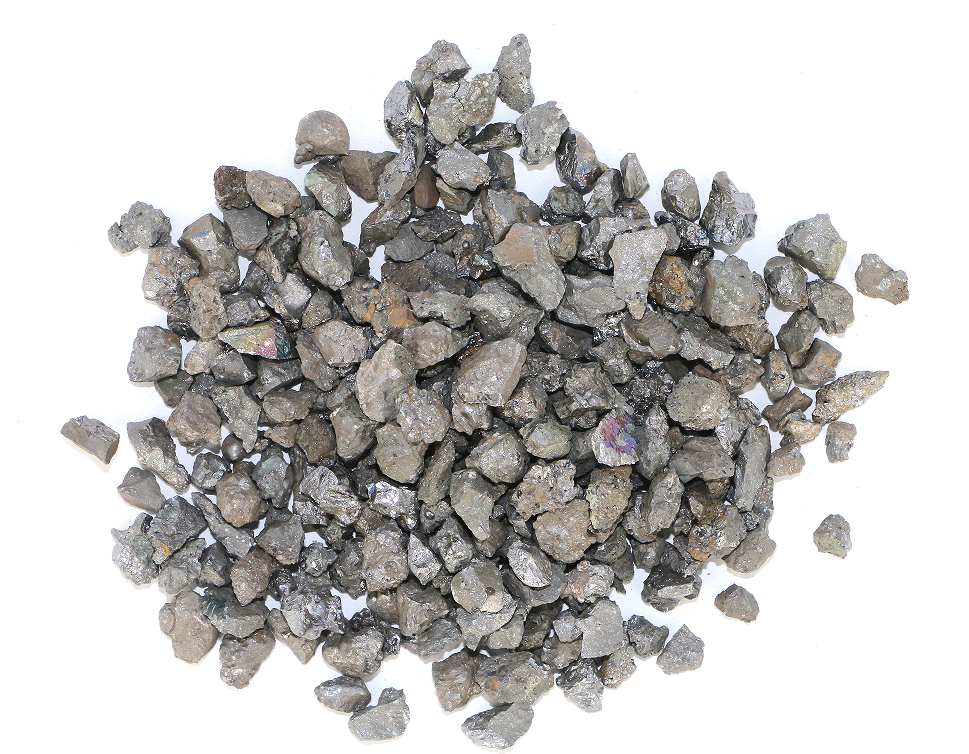
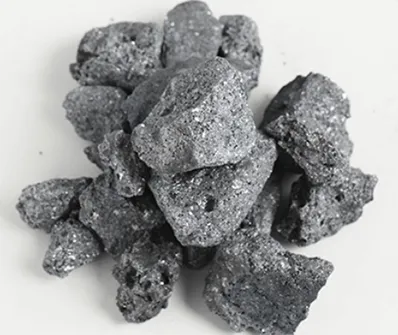
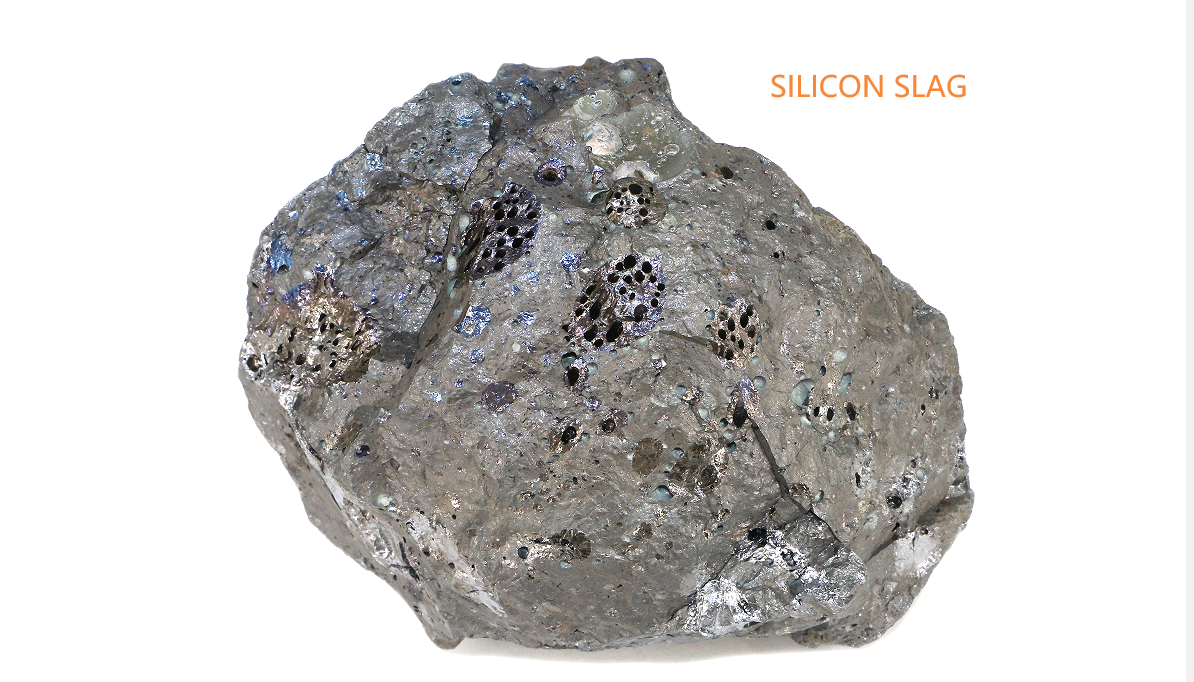
In the dynamic world of metallurgy and industrial manufacturing, silicon slag has emerged as a crucial and cost-effective material for steelmaking, ferrous foundries, and other applications. As a by-product of silicon and ferro silicon production, it offers a valuable source of recoverable silicon and other elements.
For global importers and procurement managers, navigating the silicon slag market can be complex. Understanding your precise needs, the industry landscape, and how to identify a reliable supplier is key to a successful partnership.
At Beifang Alloy, with years of expertise as a leading ferroalloy factory, we’ve compiled this essential guide to help you make informed decisions when importing silicon slag.
Before you begin sourcing, a clear definition of your requirements is the most critical step. This ensures you receive a product that perfectly matches your production process, maximizing efficiency and cost savings.
Key specifications to define include:
Silicon (Si) Content: This is the primary metric. Silicon slag typically ranges from 40% to 70% Si. Determine the minimum Si content your process requires to achieve the desired deoxidation or alloying effect in molten steel or iron.
Particle Size: The physical size of the slag is vital for consistent melting and reaction kinetics. Common specifications include lumpy (10-100mm), granular (0-10mm), or powder. Specify your preferred size to ensure smooth feeding into furnaces or ladles.
Chemical Composition: Beyond silicon, specify limits for other elements that could be detrimental to your final product. Key elements to control are:
Phosphorus (P) and Sulfur (S): These are generally undesirable as they can cause brittleness.
Carbon (C): Content can vary; ensure it aligns with your requirements.
Aluminum (Al), Calcium (Ca), and Manganese (Mn): Their presence can be either beneficial or detrimental depending on your application.
Application: Be clear about the end-use. Is it for steelmaking deoxidation, as a substitute for ferro silicon in foundries, or for silicon briquettes production? This will directly influence the required specifications.
A precise request for quotation (RFQ) prevents misunderstandings and leads to more accurate pricing.
The global silicon slag market is intrinsically linked to the steel and ferrous foundry industries. China remains the world’s largest producer and exporter, given its dominant position in global steel and silicon metal production.
Key Market Drivers:
Steel Production Trends: As global steel demand grows, particularly in developing economies, the demand for cost-effective additives like silicon slag follows.
Cost Optimization: Manufacturers are constantly seeking ways to reduce production costs without compromising quality. Silicon slag provides a more economical alternative to pure ferro silicon for many applications.
Environmental and Recycling Trends: Utilizing silicon slag is a form of industrial recycling, making it an attractive option for companies focused on sustainable and environmentally conscious sourcing.
Logistics and Trade Policies: Import tariffs, shipping costs, and international trade relations significantly impact the final landed cost of silicon slag.
Staying informed about these macro-trends helps procurement teams anticipate price fluctuations and supply availability.
Follow this structured approach to streamline your silicon slag import process.
Internal Specification Review: Collaborate with your technical and production teams to finalize the chemical and physical specifications as outlined in Section 1.
Identify Potential Suppliers: Use B2B platforms (like Made-in-China, Alibaba), industry directories, and trade shows to create a longlist of potential suppliers. Look for manufacturers (like Beifang Alloy) rather than just trading companies for better price and quality control.
Request for Quotation (RFQ): Send a detailed RFQ to your shortlisted suppliers. Include your required specs, desired Incoterm (e.g., FOB, CIF), port of destination, and required volume.
Evaluate Proposals: Don’t just compare price. Scrutinize the offered material’s certificate of analysis, packaging details, and production lead time.
Supplier Verification: This is crucial. Request business licenses, factory audit reports, and past shipment records. A reputable supplier will be transparent.
Sample Analysis: Always request a production sample before placing a large order. Test it in your labs to verify it meets all your technical requirements.
Final Negotiation and Contract: Negotiate terms based on the verified sample and proposal. Ensure the contract clearly states specifications, payment terms, delivery schedule, and protocols for handling quality disputes.
Logistics and Execution: Work with your supplier or a freight forwarder to handle shipping, customs clearance, and insurance.
Choosing between suppliers can be challenging. While price is a factor, the total value offered is what truly matters. Here’s how a manufacturer like Beifang Alloy compares to other options:
| Feature | Standard Trading Company | Generic Manufacturer | Beifang Alloy (Your Strategic Partner) |
|---|---|---|---|
| Source of Product | Buys from various factories; source may be inconsistent. | Produces in-house, but may have limited quality tiers. | Direct in-house production from our own ferroalloy factory. Full control from raw materials to finished product. |
| Quality Control | Relies on the factory’s QC; less direct oversight. | Has basic QC processes. | Rigorous, multi-stage QC. We provide detailed MTC (Material Test Certificates) and welcome third-party inspection (SGS, BV) for your peace of mind. |
| Price Stability | Prices can fluctuate based on their purchase cost. | More stable, but can be inflexible. | Highly competitive and stable pricing due to direct control over production costs and economies of scale. |
| Technical Expertise | Limited; primarily sales-focused. | Technical knowledge exists but may not be readily shared. | Deep metallurgical expertise. Our technical team can consult on your specific needs and recommend the optimal product grade for your application. |
| Supply Reliability | Can be affected by their suppliers’ availability. | Generally reliable, but capacity can be limited. | Strong and consistent production capacity ensures we can meet large and recurring orders on time. |
| Customization | Limited to what their suppliers offer. | Some capability, often with high MOQs. | Flexible customization of chemical composition and particle size based on your unique requirements. |
Sourcing silicon slag doesn’t have to be a complicated gamble. By understanding your needs, conducting thorough research, and partnering with a vertically integrated manufacturer, you secure a reliable supply chain that enhances your product quality and bottom line.
At Beifang Alloy, we are more than just a supplier; we are your technical partner in the ferroalloy industry. We pride ourselves on transparency, quality, and building long-term, mutually beneficial relationships with our clients across the globe.
Ready to discuss your silicon slag procurement needs?
Contact our export team today for a competitive quotation and a detailed product analysis report.
Email: info@hnxyie.com
Website: www.beifangalloy.com