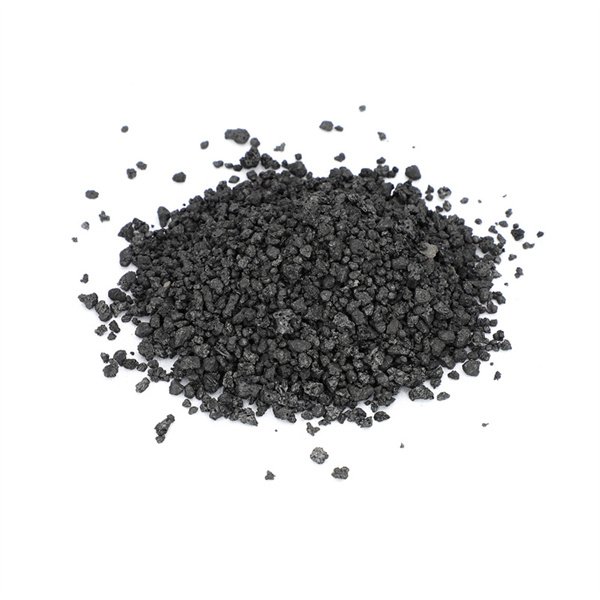
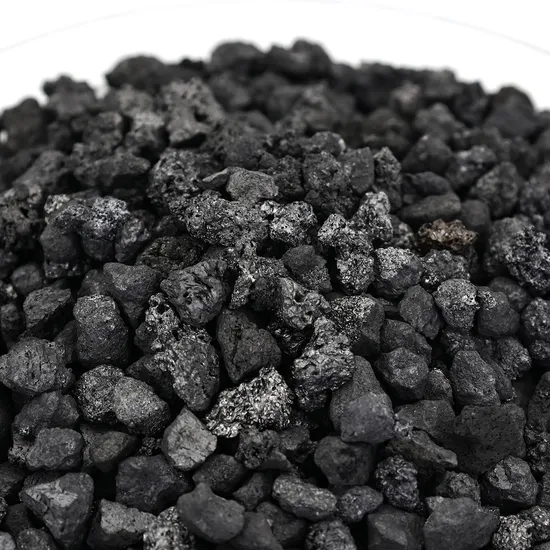
In the modern foundry, achieving consistent, high-quality cast iron is a precise science. The cornerstone of this process is effective inoculation—the late addition of alloys to control graphite formation. However, successful inoculation is entirely dependent on one critical precondition: a perfectly tuned base iron chemistry, particularly its carbon content. This is where the strategic use of high-performance carbon raiser transitions from a mere additive to an essential tool for process control, yield improvement, and cost optimization.
At Beifang Alloy, with nearly two decades of expertise in ferroalloy development and supply to the global casting industry, we understand that the right carbon raiser is not just a commodity but a key component in your quality assurance chain.
Extensive industry research and practical experience consistently highlight that inoculation efficacy is maximized within an optimal Carbon Equivalent (CE) range. Base iron that is too low in CE (hypoeutectic) produces undercooled graphite structures like D-type, leading to reduced tensile strength and machinability issues. Conversely, iron that is too high in CE (hypereutectic) risks coarse graphite flotation and shrinkage defects.
A carbon raiser’s primary role is to bring the CE into this “sweet spot” reliably and efficiently. The latest trend moves beyond simple carbon addition toward chemistry precision engineering. Foundries are increasingly demanding carbon raisers that offer:
High Purity & Low Trace Elements: Minimizing interference from elements like Sulfur, Nitrogen, and Aluminum, which can poison inoculants or create pinholes.
Predictable & High Absorption Rates: Ensuring consistent results batch-to-batch, reducing variance and scrap rates.
Fast Dissolution: Improving furnace cycle time and energy efficiency.
Procurement decisions for carbon raisers are often initially driven by cost-per-ton. However, a focus solely on upfront price ignores the significant Total Cost of Ownership (TCO). Inefficient carbon raisers create hidden costs that directly impact your profitability:
Inconsistent Absorption: Leads to over-addition, wasted material, and unpredictable final chemistry, forcing corrective actions that delay production.
High Impurity Content: Introduces sulfur and nitrogen, which can neutralize expensive inoculants, requiring larger additions to achieve the same effect and increasing gas defect risks.
Slow Dissolution: Increases holding time in the furnace, raising energy costs and limiting production throughput.
Dust and Fines: Poorly manufactured materials with high fines content result in material loss, health and safety issues, and low, unpredictable recovery.
The modern procurement need is for a technical partner who provides a consistent product that delivers predictable metallurgical outcomes, not just a bulk chemical.
Selecting the optimal carbon raiser requires a technical evaluation. Use this guide as a checklist:
| Evaluation Criteria | Key Questions to Ask | Why It Matters for Inoculation |
|---|---|---|
| Fixed Carbon Content | Is it consistently above 98%, 99%, or 99.5%? | Higher purity means less ash and impurities entering the melt, leading to cleaner iron and more effective inoculation. |
| Sulfur & Nitrogen Levels | What are the guaranteed maximum limits (e.g., S < 0.05%, N < 100 ppm)? | Low levels prevent inoculant “poisoning” and reduce the potential for gas-related casting defects. |
| Absorption Rate & Predictability | What is the typical absorption rate in your application? Is it consistent? | High (often >90%) and predictable absorption allows for precise, first-time carbon correction, creating the stable base iron required for consistent inoculation. |
| Raw Material Source | Is it made from calcined petroleum coke, graphite, or other sources? | Calcined petroleum coke-based raisers (CPC) are known for high purity and low sulfur, making them ideal for high-quality ductile and gray iron. |
| Particle Size & Morphology | Is the size distribution controlled? Is it low in dust? | Optimized sizing (e.g., 1-5mm, 2-8mm) ensures rapid dissolution with minimal slag carry-over and dust loss. |
| Technical Data & Support | Does the supplier provide full certified analysis and application support? | Reliable data sheets are essential for process control. Supplier expertise can help troubleshoot inoculation issues related to base iron. |
Actionable Procurement Steps:
Audit Your Process: Review historical data to identify scrap issues linked to carbon variability or poor inoculation response.
Define Your Specs: Based on your audit, set strict technical requirements (Fixed C, S, N) rather than just a grade.
Request & Test Samples: Conduct structured cupola or furnace trials comparing the new raiser against your current material, measuring absorption efficiency and final iron quality.
Calculate TCO: Factor in absorption rate, impact on inoculant usage, and yield improvements, not just the purchase price.
When comparing suppliers, move beyond the price list. A true partner adds value across your operation.
| Comparison Dimension | Standard Supplier / Trader | Technical Partner (e.g., Beifang Alloy) |
|---|---|---|
| Product Consistency | May vary by shipment, focused on meeting broad grade specs. | Guaranteed batch-to-batch consistency through controlled manufacturing and raw material sourcing. |
| Technical Expertise | Limited to basic product information. | Deep metallurgical knowledge to help you optimize the carbon-inoculation relationship and solve complex casting defects. |
| Value Proposition | Low price per ton. | Lowest Total Cost of Ownership (TCO) through high efficiency, reliability, and technical support that improves your overall yield. |
| Quality Assurance | May provide standard COA. | Comprehensive Certified Analysis for every batch, tracking key impurities critical for inoculation success. |
| Supply Chain Reliability | Can be susceptible to disruptions from multi-tier sourcing. | Integrated production control from raw materials to finished product, ensuring stable, long-term supply. |
| Customization Ability | “One-size-fits-all” approach. | Flexibility in sizing and packaging to best suit your furnace and handling system. |
Precision Tuning for Predictable Quality
Fine-tuning your base iron with a high-performance carbon raiser is the first and most critical step in unlocking the full potential of your inoculation process. It transforms your melting operation from a variable chemical reactor into a predictable precision instrument.
By focusing on the technical specifications that matter, procuring based on total cost of ownership, and partnering with a supplier that offers consistent quality and expertise, you can achieve superior cast iron properties, reduce scrap, and enhance your foundry’s competitiveness.
Ready to fine-tune your process? Contact the Beifang Alloy technical team at info@hnxyie.com to discuss how our high-purity carbon raiser solutions can help you achieve better, more consistent inoculation results.