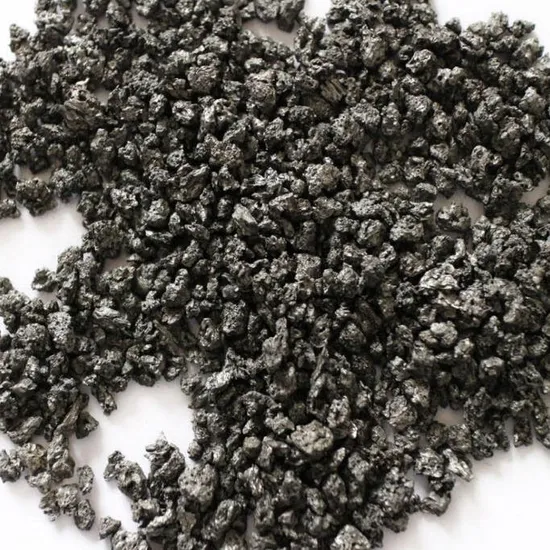
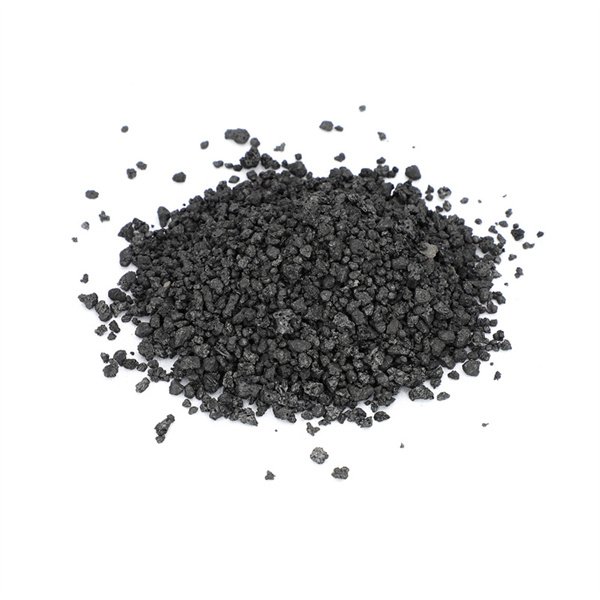
At Beifang Alloy, we understand the pivotal role a high-quality carbon raiser plays in modern metallurgy. It is not merely an additive but a critical tool for achieving the precise chemical composition required for high-performance steel and iron. This article, from the perspective of a leading ferroalloy producer, will guide you through the procurement needs, industry trends, key selection criteria, and supplier evaluation to ensure you source the optimal material for your production.
The primary function of a carbon raiser is to increase the carbon content in molten metal when the charge or decarburization process leaves it below the target specification. However, the needs of a modern steel mill extend far beyond simple carbon addition.
The core requirements focus on efficiency, purity, and consistency. High fixed carbon content (typically >96%) ensures effective and economical addition. Low levels of detrimental impurities—particularly sulfur (S), phosphorus (P), and nitrogen (N)—are non-negotiable for producing clean steel with superior mechanical properties and reduced defect rates.
The absorption rate is a critical performance metric, directly impacting yield and cost. A superior carbon raiser dissolves quickly and completely into the melt, minimizing losses to slag or atmosphere. Consistent particle size distribution prevents segregation, ensures uniform dissolution, and facilitates predictable handling and automated feeding systems.
The global push for higher-grade, specialized steels—used in automotive, infrastructure, and energy sectors—is driving demand for premium carbon raisers. The industry is moving away from generic products toward application-specific solutions.
A significant trend is the emphasis on low-nitrogen and low-sulfur grades. As mills aim to produce steels with improved ductility, weldability, and surface quality, controlling these elements from the carbon raiser source is paramount. This is especially crucial for steel grades like high-strength low-alloy (HSLA) steels and certain forging grades.
Sustainability is becoming a key differentiator. Mills are increasingly evaluating the environmental footprint of their raw materials. Carbon raisers produced from renewable sources or through energy-efficient, low-emission processes are gaining attention, aligning with broader corporate ESG (Environmental, Social, and Governance) goals.
Selecting the right carbon raiser involves matching its properties to your specific process (EAF, induction furnace, ladle treatment) and the target steel grade.
1. Material Type Selection:
Synthetic Graphite: The premium choice. Offers the highest fixed carbon (>99%), lowest sulfur and nitrogen, and excellent absorption rates (90-95%). Ideal for high-value applications like ductile iron, high-carbon steel, and ultra-low-carbon steel refining.
Calcined Petroleum Coke (CPC): The most widely used, cost-effective option. Good fixed carbon content (98-99.5%). Performance depends heavily on the raw coke source and calcination quality. May have higher sulfur content.
Anthracite Coal: A traditional, economical option. Lower fixed carbon and higher ash content compared to graphite or CPC. Often used in foundries for cast iron production.
2. Critical Specification Checklist:
Fixed Carbon: Minimum 98.5% for critical applications.
Sulfur (S): Target <0.05% for low-sulfur steel production.
Nitrogen (N): Target <100 ppm for low-nitrogen grades.
Ash Content: <0.5% for high-purity graphite; <1.0% for premium CPC.
Moisture: <0.5% to prevent hydrogen pickup and steam explosions.
Particle Size: Ensure a tight, consistent range (e.g., 1-5 mm) suitable for your feeding system.
3. Effective Usage Practices:
Addition Point: For Electric Arc Furnaces (EAF), add during the melt-down period for best absorption.
Submersion: Ensure the raiser is added beneath the slag layer and stirred/pushed into the melt to prevent oxidation loss.
Calculated Dosing: Use precise calculations based on the melt weight and desired carbon increase to avoid over- or under-treatment.
Choosing a supplier is a strategic decision. While price is a factor, quality consistency, technical support, and reliability are far more valuable in preventing costly production disruptions.
1. Quality & Consistency Audit:
Request certified Material Test Reports (MTRs) for every batch, showing full chemical and granulometric analysis.
Inquire about the supplier’s raw material sourcing, production process controls (e.g., calcination temperature, graphitization), and in-house QA/QC lab capabilities.
Ask for samples to conduct your own plant trials and verify performance metrics like absorption rate.
2. Technical Expertise & Service:
Prefer suppliers who employ metallurgical engineers capable of providing application advice, troubleshooting issues, and helping optimize your usage.
Evaluate their ability to develop customized products (e.g., specific sizing, ultra-low impurity levels) to meet your unique challenges.
3. Logistics & Reliability:
Assess their production capacity and inventory management to guarantee steady supply and on-time delivery.
Consider geographical proximity to reduce shipping costs and lead times.
Why Partner with Beifang Alloy?
At Beifang Alloy, we combine rigorous quality control with deep metallurgical expertise. Our range of premium synthetic graphite and calcined petroleum coke products is manufactured to the strictest tolerances, backed by batch-wise certification. We don’t just sell products; we provide process solutions to help you achieve lower inclusion counts, tighter composition control, and improved yield. Visit www.beifangalloy.com or contact us at info@hnxyie.com to discuss how our carbon raisers can elevate your steel quality.