In the precise world of ferroalloy production, consistency isn’t just a goal—it’s the foundation of quality, efficiency, and profitability. Yet, many producers face a persistent challenge: unpredictable outcomes in their final products. Variations in composition, unexpected impurities, and fluctuating recovery rates can derail production schedules, increase costs, and erode customer trust.
While many factors are scrutinized, one critical variable is often overlooked: your carbon source.
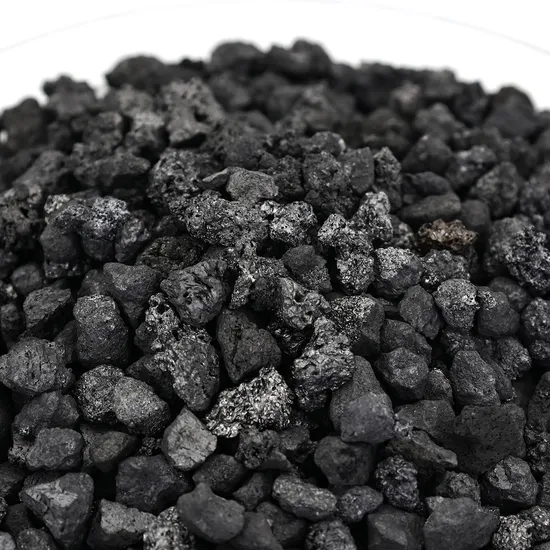
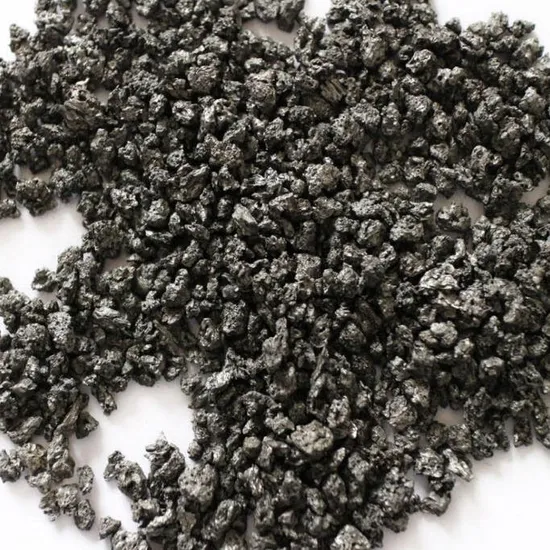
As a leading force in the ferroalloy industry, Beifang Alloy understands that the choice of carbon additive—whether petroleum coke, coal tar pitch, graphite, or charcoal—is not a mere commodity decision. It is a strategic technical choice that directly influences the chemical and physical dynamics of the smelting process. Let’s explore how focusing on your carbon source can transform your results.
Your procurement strategy must evolve from seeking the cheapest option to specifying the most consistent performer. Key needs include:
Fixed Carbon Content & Consistency: High and stable carbon content ensures predictable reduction power and energy efficiency.
Low & Controlled Impurities: Elements like Ash, Sulfur (S), Phosphorus (P), and Moisture can contaminate alloys, degrade quality, and increase slag volume. Precise control is non-negotiable.
Optimal Particle Size & Reactivity: The physical form affects dissolution rates, surface area contact, and overall reaction kinetics in the furnace.
Batch-to-Batch Uniformity: The true hidden cost comes from variability. Every unexpected deviation requires process adjustments, costing time and resources.
Recent industry insights and advanced production practices reveal a shift. Top-performing ferroalloy plants treat carbon additives as a key “process lever” rather than a simple raw material.
Impurity Pathways: Research clearly maps how impurities in carbon migrate into metal and slag, affecting final alloy specifications (e.g., sulfur in steel-making grades).
Energy Efficiency: The reactivity and electrical resistivity of the carbon source impact the furnace’s electrical characteristics and thermal balance, directly affecting power consumption.
Sustainability Pressures: Globally, there is a growing trend towards evaluating the environmental footprint of carbon sources, including their sourcing and emissions profile during smelting.
To eliminate variability, implement a disciplined procurement protocol:
Define Rigid Specifications: Collaborate with your technical team to set strict, non-negotiable chemical and physical specifications for each product line.
Demand Comprehensive Data: Require suppliers to provide detailed Certificates of Analysis (CoA) for every batch, tracking all critical parameters.
Audit the Source: Understand where and how the carbon material is produced or processed. Consistent raw material sourcing for your supplier is key to their consistency.
Implement Incoming QC: Establish robust testing and validation procedures for incoming materials. Do not rely on supplier data alone.
Consider Total Cost of Ownership (TCO): Factor in the costs of variability—reprocessing, yield loss, energy over-consumption, and quality disputes—when evaluating suppliers.
The market is filled with carbon traders, but your production needs a technical partner. Here’s the critical comparison:
| Aspect | Typical Trader/General Supplier | Specialized Technical Partner (Like Beifang Alloy) |
|---|---|---|
| Focus | Price and transaction | Process optimization and total value |
| Knowledge | Limited to basic material specs | Deep understanding of ferroalloy smelting metallurgy |
| Product Consistency | Variable; sources may shift for price | Guaranteed through controlled sourcing and processing |
| Technical Support | Minimal to none | Proactive: provides analysis, troubleshooting, and co-development |
| Data Transparency | Basic or inconsistent CoAs | Detailed, batch-specific analytics and traceability |
| Value Proposition | Lowest upfront cost | Lowest total cost of production through predictability and performance |
Unpredictable results are often a symptom of an unstable foundation. Your carbon source is a fundamental pillar of that foundation.
At Beifang Alloy, we go beyond supplying materials. We provide engineered carbon solutions backed by deep ferroalloy production expertise. We partner with you to analyze your process, recommend the optimal carbon specification, and deliver unwavering batch-to-batch consistency. We help you turn your carbon source from a hidden variable into a controlled advantage.
Ready to eliminate variability at its source?
Contact our technical team today to discuss how a tailored carbon additive strategy can stabilize your process, enhance your quality, and boost your bottom line.