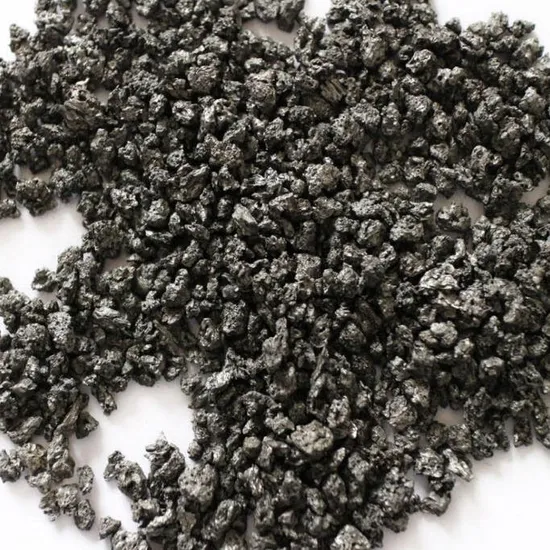
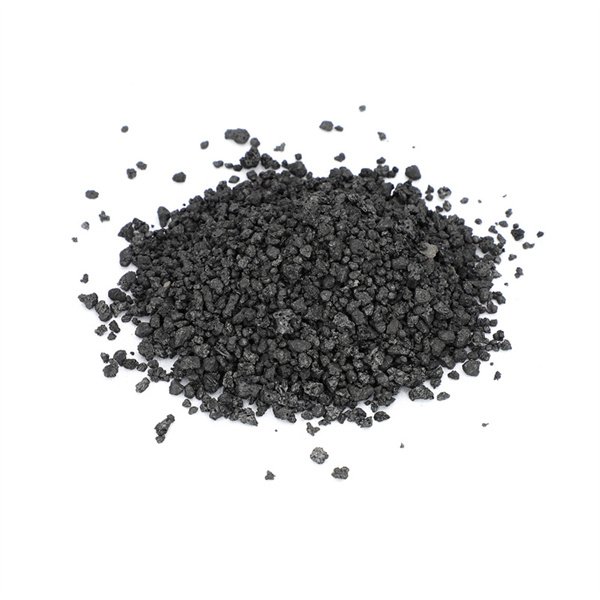
Natural graphite is an essential industrial mineral with unique properties that make it indispensable in metallurgy and numerous advanced applications. As a leading ferroalloy manufacturer with a global distribution network reaching Southeast Asia, Europe, America, and beyond, Beifang Alloy understands that sourcing the right graphite is critical for product quality, operational efficiency, and competitiveness.
This guide provides a detailed industry analysis and practical procurement framework tailored to the needs of ferroalloy producers.
The global natural graphite market is driven primarily by the demand for refractory materials in steelmaking and, increasingly, by the explosive growth of lithium-ion batteries for electric vehicles. For ferroalloy producers, the refractory application remains most relevant.
Supply Chain Dynamics: The market is geographically concentrated. China is the world’s dominant producer and processor of flake graphite. Key sources of amorphous graphite include China, India, and Mexico, while Sri Lanka is a traditional source of high-purity vein graphite. This concentration necessitates strategic sourcing to mitigate geopolitical and trade policy risks.
Quality & Technology Trends: Beyond traditional metallurgical uses, high-purity, large-flake graphite is in intense competition from the battery sector, affecting availability and price for industrial users. Technological advancements in purification and spheronization are primarily focused on serving the battery anode market, but they also drive overall processing improvements.
In ferroalloy and steel production, natural graphite is primarily used as a recarburizer (to add carbon to molten steel), in refractory linings for furnaces and ladles, and as a mold coating. Your specific needs depend on your production portfolio:
Key Material Properties:
Fixed Carbon Content (Purity): Directly impacts the efficiency of carburization and the longevity of refractories. Requirements typically range from 80% to 99%.
Flake Size & Crystallinity: Larger flake graphite generally offers better thermal resistance and conductivity, which is crucial for high-performance refractories.
Ash Content & Composition: Lower ash content is preferred, as certain ash minerals can affect alloy quality or refractory performance.
Operational Requirements: Consistent supply, stable pricing, and reliable logistics are as critical as technical specifications to maintain continuous furnace operations and production scheduling.
A structured approach to sourcing ensures you secure the right material at optimal value.
Step 1: Define Specifications
Clearly outline your technical requirements: fixed carbon percentage, flake size distribution (e.g., +80 mesh, -100 mesh), moisture, sulfur, and ash content limits. Distinguish between needs for recarburizer versus refractory-grade graphite.
Step 2: Supplier Identification & Evaluation
Look beyond basic traders. Prioritize suppliers with:
Direct links to mines or established, long-term mine contracts.
In-house processing and quality control capabilities (crushing, screening, purification).
Proven experience supplying the metallurgical industry.
Step 3: Sampling & Qualification
Mandate a rigorous sampling process. Test supplier samples in your actual production environment (e.g., pilot furnace runs) to evaluate performance, recovery rate, and impact on final product quality before committing to large orders.
Step 4: Contract Structuring
Contracts should address key commercial terms: pricing mechanisms (fixed, index-linked), volume flexibility, quality arbitration procedures (e.g., testing at a mutually agreed third-party lab), and incoterms that clearly define logistics responsibilities.
Evaluate potential partners against a consistent set of criteria. Below is a comparative analysis of common supplier types:
| Supplier Type | Typical Advantages | Potential Risks | Best For |
|---|---|---|---|
| Integrated Mine-to-Processor | Full control over quality and supply chain; traceability; potential for cost stability. | May have higher minimum order quantities (MOQs); less flexibility. | Large-volume buyers with stable, long-term needs seeking maximum supply security. |
| Specialized Industrial Trader | Broad supplier network; flexible volumes; market expertise and logistics support. | Less direct control over source quality; added margin layer. | Buyers needing smaller lots, blended materials, or those sourcing from multiple regions. |
| Local/Regional Agents | Deep local market knowledge; easier communication and dispute resolution. | May have limited influence over upstream producers; supply chain transparency can vary. | Initial market entry or specific regional sourcing where local connections are vital. |
Core Recommendation: For critical applications like high-grade alloy production, developing a strategic partnership with a reliable Integrated Mine-to-Processor or a highly reputable Specialized Trader with transparent sources offers the best balance of quality assurance and supply security.
At Beifang Alloy, our strategy mirrors the principles of “quality, integrity, safety, and energy saving” that guide our entire operation. We treat graphite not as a mere commodity but as a critical input that impacts our end-product performance and our customers’ success.
We recommend a dual-sourcing strategy where feasible, building a primary relationship with a top-tier supplier while qualifying a secondary source for backup. Regular supplier audits—either on-site or via detailed documentation review—are essential to maintain standards. Furthermore, staying informed about market trends, such as the battery market’s pull on flake graphite, allows for proactive procurement planning and potential material substitution strategies.
By applying this comprehensive framework, your procurement team can make informed decisions that secure a reliable flow of high-quality natural graphite, directly supporting stable and efficient ferroalloy production.