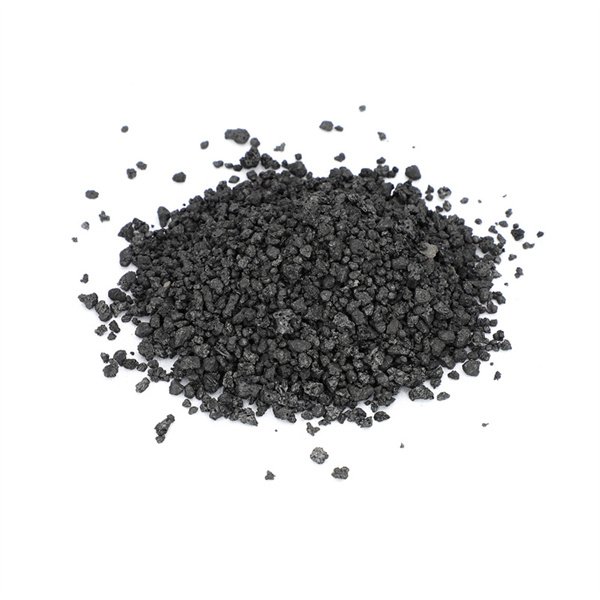
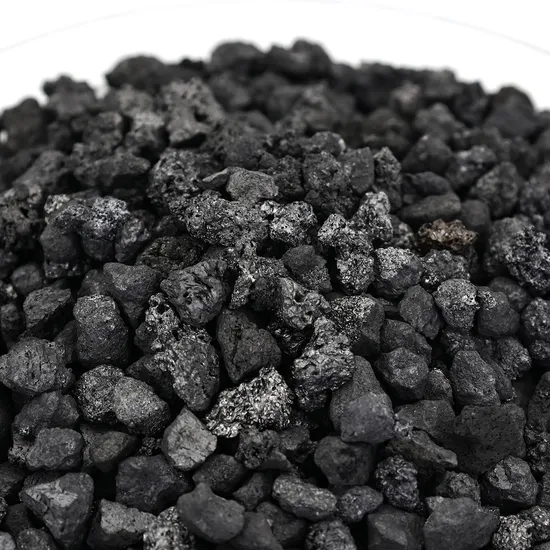
In electric arc furnace (EAF) steelmaking and foundry operations, carbon additives are not a commodity—they are a critical metallurgical input that directly influences melt chemistry, energy consumption, and final product quality. Yet many procurement teams treat supplier selection as a price-driven exercise, only to discover inconsistencies in fixed carbon content, problematic sulfur levels, or unreliable delivery after contracts are signed.
At Beifang Alloy, we’ve spent years perfecting our carbon additive production for the specific demands of EAF operators. This guide shares a systematic framework for conducting supplier audits that go beyond datasheets to verify actual capability, consistency, and reliability .
Before evaluating any supplier, you must establish clear requirements. Carbon additives vary significantly in their properties, and the wrong specification—even from a “reliable” supplier—will compromise your operation .
| Parameter | Typical Range | Why It Matters |
|---|---|---|
| Fixed Carbon | 95-99.5% | Determines recovery rate and addition efficiency |
| Sulfur | <0.05% to <0.5% | Impacts steel cleanliness; ultra-low sulfur requires premium grades |
| Nitrogen | <0.1% to <0.5% | Critical for certain steel grades to avoid embrittlement |
| Moisture | <0.5% | High moisture causes safety risks and inconsistent recovery |
| Particle Size | e.g., 0.2-1mm, 1-3mm | Affects dissolution rate and injection system compatibility |
| Ash Content | <0.3% to <1.0% | Increases slag volume and affects refractory wear |
Document your current consumption patterns and constraints:
Monthly volume requirements and consumption variability
Delivery frequency: Just-in-time or warehouse stocking?
Packaging preferences: 1-ton bulk bags, 25kg sacks, or customized labeling?
Storage conditions: Indoor vs. outdoor; shelf life expectations
Injection system compatibility: Pneumatic conveying requires specific flow characteristics
Establish non-negotiable documentation requirements upfront:
Certificate of Analysis (CoA) with each shipment
Safety Data Sheets (SDS) compliant with destination country regulations
Mill test reports or third-party analysis verification
ISO 9001 certification or equivalent quality management evidence
Beifang Alloy Insight: “The buyers who succeed long-term don’t just buy to a price—they buy to a specification. When you define your requirements precisely, you eliminate 80% of potential suppliers before detailed evaluation begins.” — Beifang Alloy Technical Team
The global electrically conductive carbon additives market was valued at approximately $789 million in 2024 and is projected to reach $1.68 billion by 2032, growing at a CAGR of 10.8% . This growth is driven by demand from electric vehicle batteries, steel production, and advanced manufacturing.
China remains the dominant producer, with key production hubs in:
Henan Province: Specializes in recarburizers and metallurgical additives; home to vertically integrated manufacturers with ISO-certified systems
Shandong Province: Strong in heavy industry; supports both direct manufacturers and trading companies
Ningxia Region: Rich coal reserves enable cost-competitive coal-based carbon additives
Jilin and Hebei: Centers for graphitized coke and recarburizers
Understanding supplier types prevents mismatched expectations :
| Factor | Direct Manufacturer | Trading Company |
|---|---|---|
| Control over quality | Direct oversight of production | Depends on factory relationships |
| Pricing | Lower at scale | Margin added; may aggregate for flexibility |
| Customization | High—can adjust formulations | Limited to available products |
| Minimum order quantity | Often higher (container loads) | May offer smaller quantities |
| Best for | High-volume, consistent buyers | Mixed-material orders, trials, logistics support |
Raw material volatility: Petroleum coke prices fluctuated over 20% in 2023
Environmental regulations: Stricter controls on calcination and graphitization processes
Geopolitical factors: Trade policies affecting carbon product classifications
A reliable supplier audit follows a systematic, four-stage process. Skipping any stage increases risk .
Before requesting samples, verify these basics:
Company credentials:
Years in business and core business focus
Manufacturing vs. trading status
ISO 9001 certification (mandatory baseline)
Export experience to your region
Operational metrics (if available) :
On-time delivery rate: ≥95% indicates reliability
Average response time: ≤4 hours suggests customer focus
Reorder rate: ≥20% signals customer satisfaction
Red flags:
Vague or missing specifications
Unwillingness to provide test reports
Prices significantly below market average
No verifiable customer references
Step 1: Request representative samples
Ask for samples from current production, not laboratory-scale batches. Request at least 5-10kg for comprehensive testing .
Step 2: Conduct laboratory analysis
Compare against your specification using:
Proximate analysis: Fixed carbon, volatile matter, ash, moisture
Ultimate analysis: Sulfur, nitrogen, hydrogen
Physical properties: Particle size distribution, bulk density
Trace elements: Harmful residuals (if applicable to your steel grades)
Step 3: Third-party verification
For critical applications, have samples tested by an independent laboratory. Reputable suppliers welcome this .
If lab results meet specifications, design a controlled plant trial :
Trial plan:
Baseline measurement: Document current performance with existing supplier (7-14 days)
Partial replacement: Start with 10-20% new material in blend
Monitor key metrics:
Dissolution rate and recovery
Slag foaming behavior
Energy consumption per ton
Tap-to-tap times
Final chemistry consistency
Full replacement trial: If partial trial succeeds, run 3-5 heats with 100% new material
Document everything. The goal is data-driven comparison, not impressions.
Before volume commitment, verify the supplier’s quality infrastructure :
Statistical process control data: Can they demonstrate batch-to-batch consistency?
Quality manual and procedures: Are they documented and followed?
Non-conformance handling: What happens when something goes wrong?
Raw material sourcing: Do they control their upstream supply?
Virtual audit tip: Request a live video tour of production lines and QC labs. Watch for housekeeping, labeled samples, and functional testing equipment .
When comparing multiple qualified suppliers, use a weighted scorecard. Price is important, but it should not dominate the decision .
| Evaluation Criteria | Weight | Supplier A | Supplier B | Your Ideal |
|---|---|---|---|---|
| Technical (40%) | ||||
| Fixed carbon meets spec | 15% | 98.5% min | ||
| Sulfur within limit | 10% | <0.05% | ||
| Particle size consistency | 10% | ±5% tolerance | ||
| Lab capabilities | 5% | In-house QC | ||
| Quality (30%) | ||||
| ISO 9001 certified | 10% | Yes | ||
| CoA with every batch | 10% | Required | ||
| Third-party test willingness | 5% | Yes | ||
| Non-conformance procedure | 5% | Documented | ||
| Reliability (20%) | ||||
| On-time delivery history | 10% | ≥95% | ||
| Production capacity | 5% | ≥500 MT/month | ||
| Buffer stock policy | 5% | Yes | ||
| Commercial (10%) | ||||
| Pricing transparency | 5% | Clear structure | ||
| Payment terms | 5% | Negotiable | ||
| TOTAL | 100% |
When comparing pricing, always calculate total landed cost :
Landed Cost = Unit Price
             + Freight
             + Insurance
             + Import duties
             + Handling/storage
             + Quality verification costs
A cheaper unit price can become expensive if quality varies or delivery fails.
| Your Situation | Better Choice |
|---|---|
| High volume, consistent specs | Direct manufacturer |
| Multiple product types, smaller volumes | Trading company |
| Need formulation customization | Direct manufacturer |
| Entering new market, testing | Trading company (flexible MOQ) |
| Long-term strategic partnership | Direct manufacturer |
After completing your audits and trials, you should have clear data on:
Technical capability: Does the product perform as required?
Quality consistency: Can they repeat it shipment after shipment?
Operational reliability: Do they deliver on time and communicate effectively?
Commercial alignment: Are terms fair and transparent?
Strategic fit: Can this relationship grow with your needs?
If switching suppliers, plan a phased approach :
Parallel inventory: Maintain buffer stock of current supplier
Gradual ramp-up: Increase new material over 4-8 weeks
Intensive monitoring: Increase testing frequency during transition
Review and adjust: Meet with supplier after 30, 60, and 90 days
At Beifang Alloy, we produce carbon additives specifically for the demanding requirements of EAF operators and foundries. Our approach combines:
Technical precision: Consistent high-fixed carbon with controlled impurities
Process partnership: We work with your team to optimize performance in your specific furnace environment
Supply reliability: Strategic inventory positioning ensures uninterrupted supply
Transparency: Full disclosure of specifications, test results, and sourcing
We don’t view carbon additives as a commodity, but as a critical input that deserves the same rigor as any other metallurgical material.
At minimum annually, or whenever there’s a significant change in their sourcing, production process, or your requirements .
Most reputable manufacturers offer trial quantities of 1-5 metric tons for evaluation. Some may charge a premium for small lots .
Yes—reputable suppliers welcome factory visits. Virtual tours via video call are also common for initial assessments .
Request third-party lab verification for initial batches. For ongoing supply, periodic independent testing confirms consistency .
Consider this a significant red flag. Transparent suppliers provide test reports routinely .