A Guide to Strategic Procurement in Ironmaking
In the competitive landscape of iron and steel production, procurement departments are under constant pressure to reduce costs. Often, this pressure leads to a focus on the unit price of consumables. At Beifang Alloy, we believe it is time to shift the conversation.
As a dedicated ferro alloy and refractory material supplier, we see too many blast furnace operations sacrificing long-term profitability for short-term savings. The question isn’t “How much does this taphole clay cost?” but rather, “How much does it cost to run your furnace per tonne of iron using this clay?”
Here is a guide to understanding the difference between cheap materials and optimal performance.
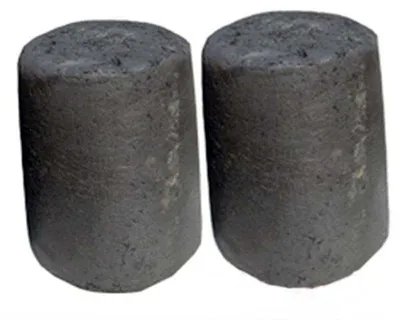
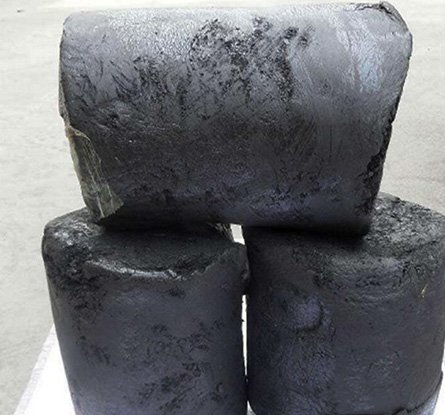
When a blast furnace taps iron, the taphole clay is the gateway to efficiency. If you are purchasing solely on price, you may be inviting instability.
The “Cheap” Trap: Low-cost taphole clay often requires higher consumption to maintain taphole length. It may lead to higher coke consumption due to poor sealing, or worse, dangerous breakthroughs (“blowouts”) that damage the furnace and halt production.
The Value Proposition: At Beifang Alloy, we design our taphole clays to provide consistent taphole depth, excellent sintering performance, and high erosion resistance. The goal is stability, which directly translates to lower hot metal production costs.
Industry data consistently shows that refractory materials account for a small fraction of the total cost per tonne of hot metal—often less than 1-2%. However, the performance of those refractories dictates the other 98% of costs.
Energy Consumption: A poorly sealed taphole allows gas leakage, wasting valuable energy that should be heating the burden.
Furnace Availability: Every minute spent re-drilling a difficult taphole or repairing damage is a minute of lost production. Research indicates that optimizing refractory performance can improve furnace availability by 3-5%, a massive financial gain compared to saving pennies on clay.
The Breakthrough Risk: The cost of a single breakout incident—in terms of safety, equipment repair, and downtime—can erase a year’s worth of “savings” from cheap materials.
How do you move beyond the unit price? You must change the metric you measure. We recommend the following procurement guide for your technical and buying teams:
Step 1: Track Consumption, Not Price.
Instead of looking at the price per kilogram of clay, track the kilograms of clay consumed per tonne of hot metal.
Cheap Clay: High consumption (more mass required to seal the hole).
Optimal Clay: Low consumption (superior density and erosion resistance mean less material used per tap).
Step 2: Analyze Drilling Time.
Measure the average time and number of drill bits required to open the taphole. If your cheap clay is sintering unevenly, it destroys drill bits and extends tap-to-tap time, throttling production.
Step 3: Assess Taphole Depth Stability.
A stable taphole depth is the hallmark of quality clay. Fluctuating depth leads to uneven liquid flow in the hearth, shortening the life of the hearth lining itself.
When comparing suppliers, you aren’t just buying a refractory; you are buying furnace stability. Here is how Beifang Alloy differentiates itself from standard commodity suppliers:
Custom Formulation: We don’t offer a one-size-fits-all product. We understand that your iron ore chemistry, tapping practice, and furnace size are unique. We adjust our formulas to match your specific operating conditions.
Integrated Raw Material Control: As a ferro alloy factory, we have deep expertise in high-temperature materials. We control our supply chain, ensuring the purity of key components like bauxite, corundum, and binders.
Technical Support: We provide on-site guidance to help your team adjust granulation and water addition for optimal plasticity, ensuring the clay performs as intended in your mud gun.
Total Cost Analysis: We work with your finance and production teams to model the Total Cost of Ownership. We help you visualize the savings from reduced consumption, longer drill bit life, and stable production rates.
The choice is clear. You can continue buying the “cheapest” bag of clay, accepting the hidden costs of instability, waste, and risk.
Or, you can partner with Beifang Alloy to invest in the “lowest cost-per-tonne” solution—a solution that keeps your furnace running smoothly, safely, and profitably.
Ready to optimize your taphole performance?
Contact us today to discuss your specific furnace needs.
Website: www.beifangalloy.com
Email: info@hnxyie.com