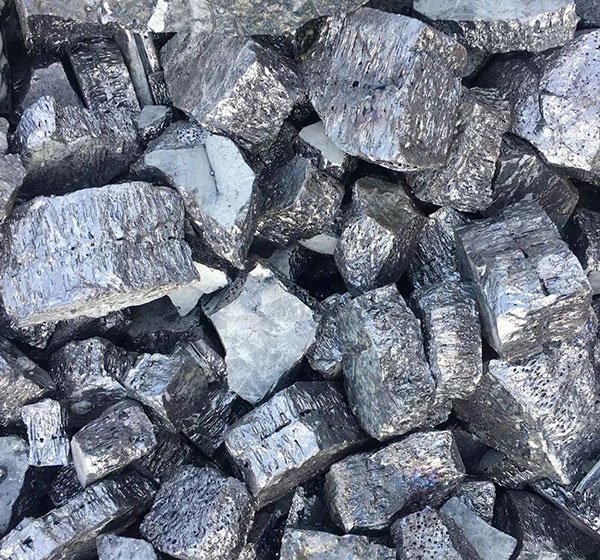
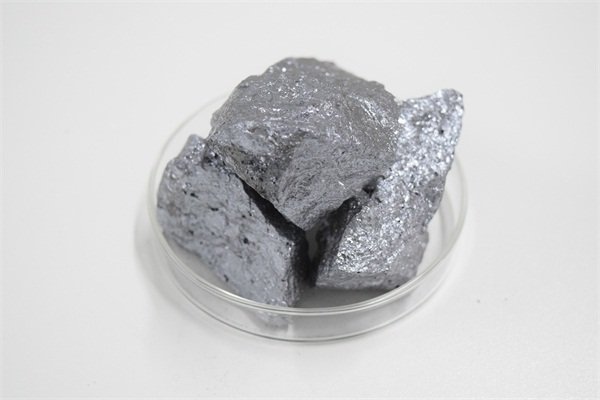
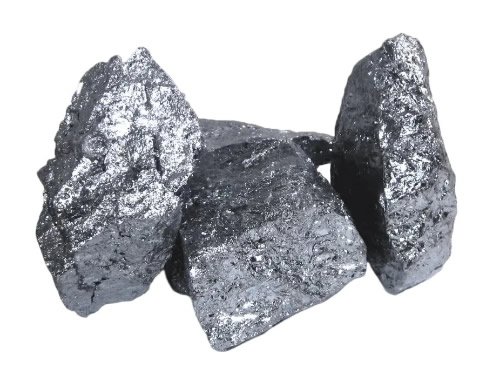
In the competitive landscape of ferroalloy manufacturing, sourcing raw silicon is not just about finding the lowest price tag. It is about balancing cost, chemical consistency, and logistical reliability. At Beifang Alloy, we have analyzed thousands of tons of feedstock. Today, we compare Domestic (Chinese) silicon with Brazilian and Australian alternatives to answer one critical question: Which one truly delivers higher cost performance for your furnace?
Before comparing sources, you must audit your specific metallurgical needs.
If you prioritize lowest CIF price: Domestic silicon often wins on base price, but watch for VAT fluctuations.
If you need ultra-low impurity specs (Ti, V, Mn): Brazilian silicon typically offers superior microchemistry for high-grade steel.
If you value stable bulk density: Australian silicon provides excellent packing density, reducing electrode consumption in submerged arc furnaces.
Beifang Alloy Insight: Many buyers chase low bids only to face higher slag volumes or lower recovery rates. Define your acceptable impurity ceiling first.
Understanding why these origins differ requires looking at ore and energy costs.
| Origin | Key Advantage | Limitation |
|---|---|---|
| Domestic (China) | Lower transportation cost; flexible small-batch orders. | Higher variability in trace elements due to multiple small mines. |
| Brazilian | High-purity quartzite; consistent low phosphorus & titanium. | Longer sea freight (45–60 days); weather-related delays. |
| Australian | Stable logistics; advanced washing technology; very low aluminum. | Premium pricing; limited supplier base. |
Market Trend (2024-2025): Australian silicon has seen a 12-15% price premium over domestic, but with tighter domestic environmental policies, the gap is narrowing.
Don’t just compare price per ton. Use the Effective Cost Model:
True Cost = (Invoice Price + Freight + Tariffs) ÷ (Expected Recovery Rate %)
Example Scenario (Per Metric Ton):
Domestic Silicon: $1,450/MT | Recovery 92% → Effective cost: $1,576
Brazilian Silicon: $1,520/MT | Recovery 96% → Effective cost: $1,583
Australian Silicon: $1,560/MT | Recovery 97% → Effective cost: $1,608
Conclusion: While Australian silicon has the highest nominal price, its superior recovery can nearly match domestic economics if your process is sensitive to fines. However, for most standard ferrosilicon production, domestic silicon offers the best immediate cash flow advantage.
This is where Beifang Alloy differentiates itself. Raw material origin is only half the story—the supplier is the other half.
| Factor | Typical Domestic Trader | Typical Offshore Broker | Beifang Alloy (Your Partner) |
|---|---|---|---|
| Stock Availability | Inconsistent | Long lead times | Warehoused in major Chinese ports |
| Technical Data | Basic COA only | Delayed or generic | Spectrometer analysis per batch |
| After-Sales | Minimal | Difficult claims | On-site technical consultation |
| Flexibility | Accepts small orders | 500MT minimum | LCL & FCL available |
Why choose Beifang Alloy? We don’t just sell silicon; we optimize your burden calculation. Whether you source domestic, Brazilian, or Australian material, we help you blend them for the lowest net cost.
For standard 441/553 grade ferrosilicon: Domestic silicon is the winner for short-term cost performance.
For special steel (bearing/spring steel): Brazilian silicon justifies its premium through fewer rejects.
For automated large furnaces: Australian silicon minimizes downtime due to its consistent granularity.
The Smart Buyer’s Strategy: Lock a base volume of domestic silicon with Beifang Alloy, and top up with Brazilian/Australian material for critical heats. We can source all three origins for you.
Stop guessing which origin fits your furnace. Send us your spec sheet, and we will run a cost-per-ton-of-liquid-metal analysis for you—free of charge.
Website: www.beifangalloy.com
Email: info@hnxyie.com
Call us today to request a sample from domestic, Brazilian, or Australian stock.
Beifang Alloy – Your Science-Driven Ferroalloy Partner.