In aluminum die-casting workshops, porosity is the number one cause of scrap. When the X-ray inspector reveals pinholes, or when bubbles appear on machined surfaces causing a whole batch to be rejected, the first reaction of most production managers is usually: adjust the die-casting parameters, check the mold venting, or review the refining process.
But what if you’ve tried all that, and the problem persists?
Often, we overlook the most fundamental source — Metallurgical Silicon.
As the core component of Al-Si alloys (typically 6-12% silicon content), the metallurgical quality of your silicon directly determines the cleanliness and fluidity of your molten aluminum. Very often, the porosity problem is not your process — it’s the silicon you bought.
This article provides an in-depth diagnostic approach to casting defects from the perspective of Metallurgical Silicon.
Many procurement managers focus only on price and grade (e.g., 441#, 3303#) when purchasing silicon metal, ignoring its “metallurgical genetics.”
Where does porosity come from?
Porosity in aluminum alloys is mainly divided into “hydrogen porosity” and “reaction porosity.” The primary culprit of hydrogen porosity (pinholes) is Hydrogen (H₂).
Conventional Wisdom: As long as you do degassing, you are safe.
Silicon Source Perspective: If your silicon metal contains high levels of oxidized inclusions or high-moisture surface attachments, it will introduce hydrogen directly into the melt. This “genetic defect” is very difficult to remove by later fluxing or rotary degassing.
Beifang Alloy Opinion:
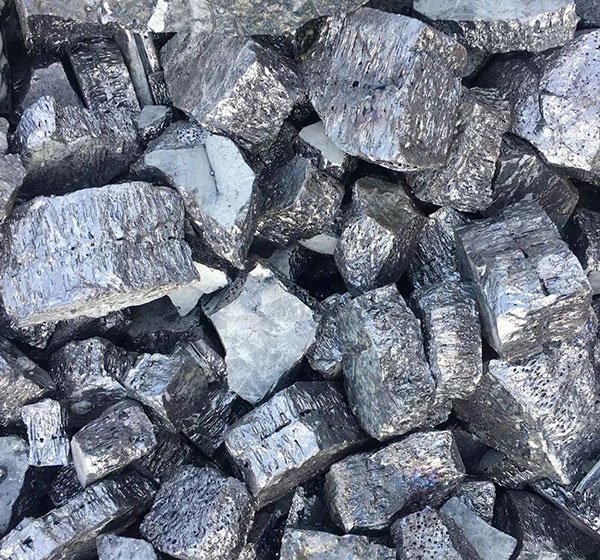
When purchasing silicon metal, don’t just look at the element sheet (Fe, Al, Ca). You must pay attention to surface cleanliness and density. Poor-quality silicon is often porous and slag-included. It acts like a “sponge” thrown into your aluminum melt, absorbing and releasing large amounts of gas.
With the intense competition in the recycled aluminum and new energy die-casting industries, cost-cutting pressure is passed upstream. This has led some silicon metal suppliers to cut corners in crushing, screening, and cleaning.
Current Industry Dilemmas:
“Mixing” Phenomenon: Some traders mix high-quality dense silicon with porous “furnace bottom silicon” or “recycled fines.” The appearance is similar, but the melting loss increases dramatically, and the oxygen dissolution doubles.
Out-of-Control Particle Size: To save crushing costs, suppliers increase the percentage of fines (silicon powder). These fines oxidize instantly when added to molten aluminum, resulting in low recovery rates and forming suspended oxides that become nucleation sites for bubbles.
Trace Element Fluctuation: For specific casting requirements (e.g., high thermal conductivity, high toughness for automotive structural parts), fluctuations in Fe and Ca content in standard silicon significantly worsen fluidity. Calcium (Ca) is particularly harmful — high Ca content reduces surface tension, making the melt more susceptible to gas absorption.
To solve the “silicon source” problem, you cannot rely solely on arrival inspection. You need a full-process silicon source control mindset. Here is the practical guide from Beifang Alloy to your procurement and QC departments:
Step 1: Strict Control of Appearance & Size
Do not ignore basic sensory inspection.
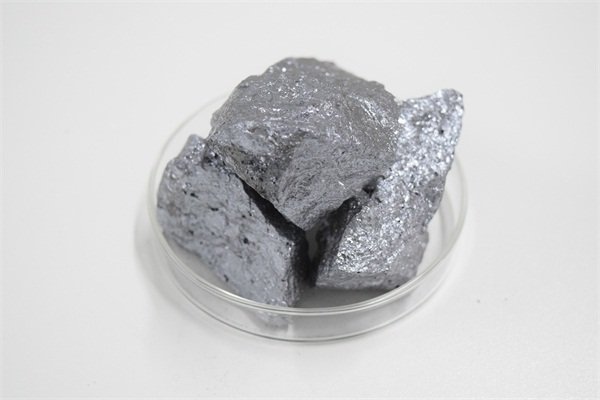
Color: High-purity silicon should be silver-gray or dark gray. If it is yellow or black, it indicates severe oxidation.
Fines: Request a “screening analysis” report. If your process requires 10-80mm lumps, the percentage of fines below 5mm should be strictly controlled within 5%.
Step 2: Focus on “Hidden” Impurities
In addition to requesting the spectrometer analysis report (Fe, Al, Ca), ask your supplier for Hydrogen content or Oxide film test reports. Capable suppliers like Beifang Alloy can provide customized Low-Hydrogen, Low-Oxide silicon.
Step 3: Lock in “Primary” & “Dense”
Prioritize purchasing Primary Silicon (directly from the submerged arc furnace and strictly crushed/screened). Avoid “re-mixed” materials of unknown origin.
Silicon metal suppliers generally fall into three categories. Their impact on your production stability varies dramatically:
| Supplier Type | Core Logic | Impact on Porosity | Beifang Alloy Solution |
|---|---|---|---|
| Traders | Buy low, sell high. | High Risk: Inconsistent sources. Mixed batches prevent you from stabilizing your refining process. | “Batch Locking” : Ensuring consistent silicon source for the same grade for three consecutive months. |
| Standard Smelters | Meet national specs (GB/ASTM). | Medium Risk: They guarantee chemistry (e.g., Fe<0.4%) but ignore physical state (density, cleanliness). | “Enterprise Standard” : Adding strict indicators for “Surface Cleanliness” and “Powder Ratio” beyond ASTM standards. |
| Technical Service Providers (Beifang Alloy) | Focus on your casting yield. | Low Risk: Provide customized size distribution to reduce melting loss, and low-Ca / low-Al specialty grades. | Deep Diagnosis : Not just selling silicon. Assisting customers in analyzing metallographic structures and adjusting process windows. |
Case Study:
Recently, a large aluminum die-casting factory producing NEV (New Energy Vehicle) motor housings faced a batch rejection due to porosity. They were using standard 441# silicon from a well-known domestic brand.
Beifang Alloy’s technical team intervened. We performed a rapid metallographic examination on the unused silicon lumps from their inventory. The results revealed micro-cracks and oxide inclusions inside the silicon.
Our Action Plan:
Root Cause Elimination: Immediately switched them to Beifang Alloy’s “High-Density Metallurgical Silicon (Low-Hydrogen Grade)” .
Process Adaptation: Our technical consultant suggested lowering the refining temperature from 740°C to 720°C to reduce secondary hydrogen pickup.
Result: Without changing any die-casting machine parameters, the porosity scrap rate dropped from 12% to below 2% .
The Bottom Line:
Often, the cheap silicon you save money on ends up as aluminum scrap. Good metallurgical silicon is your first and most important “refining agent.”
About Beifang Alloy
Beifang Alloy is not just a ferroalloy factory; we are a solution provider for high-temperature alloy melting.
Core Competence: Specializing in Ferrosilicon, Silicon Metal, and Calcium Silicon. We maintain strict raw material screening and low-impurity smelting processes.
Commitment: Every batch of silicon metal is inspected by precision spectrometers and comes with a third-party QC report. We are dedicated to providing foundries with “Zero-Defect” raw materials.
📧 Consult Our Technical Experts Today
Website: www.beifangalloy.com
Email: info@hnxyie.com
Call us for a customized silicon selection solution and solve your casting porosity problems permanently.