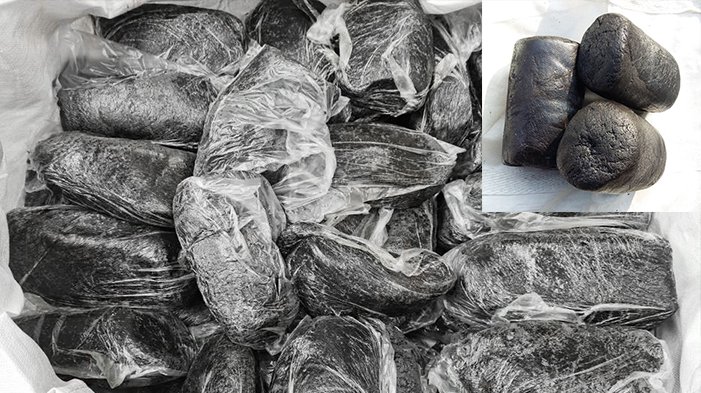
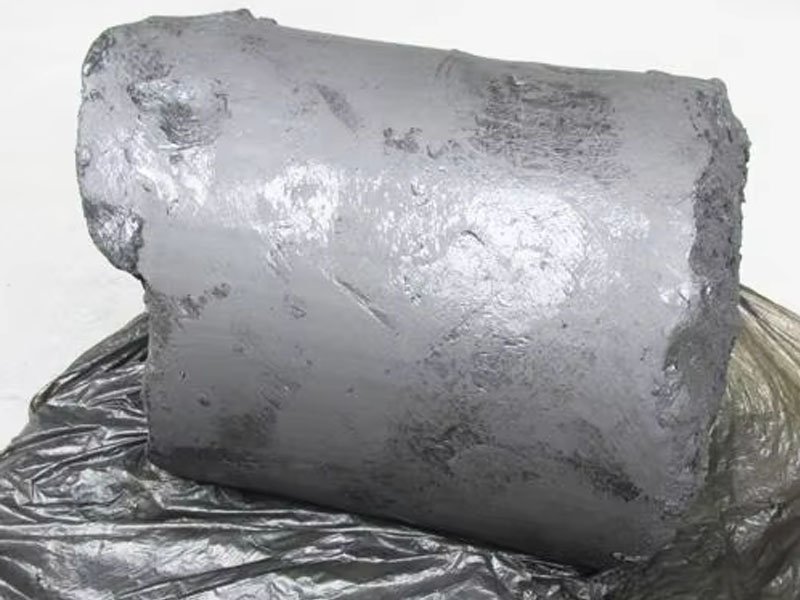
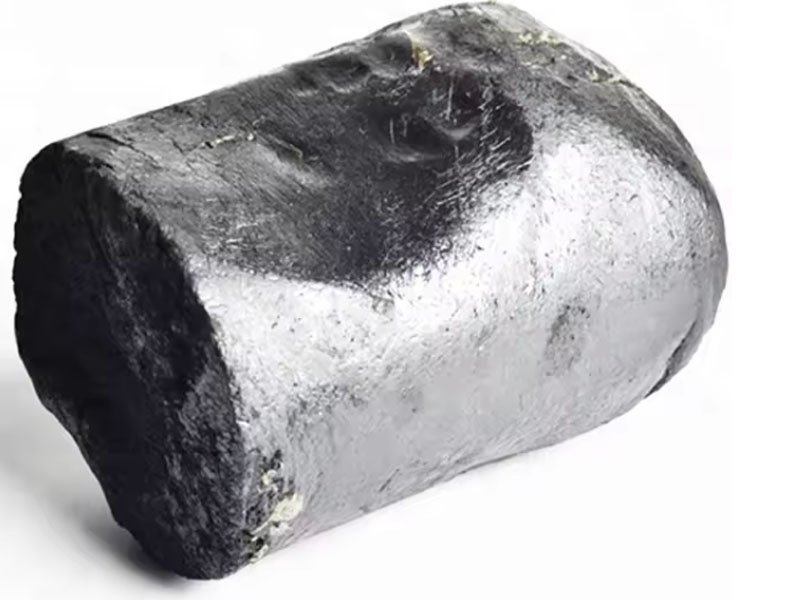
In blast furnace ironmaking and ferroalloy production, taphole clay may be a consumable, but it directly impacts tapping efficiency, furnace front safety, and even furnace campaign life. When choosing between corundum-based, silicon carbide (SiC)-based, and composite taphole clays, many procurement professionals struggle with one question: “Given my furnace condition, taphole depth requirements, and environmental pressures, which system is the right fit?”
As a ferroalloy plant with years of hands-on blast furnace experience, Beifang Alloy shares our insights based on real furnace data and industry research to help you make the best decision.
Before selecting a taphole clay system, clarify your actual pain points:
Is taphole depth stability a high priority? (High fluctuation → needs strong erosion resistance)
Are you facing environmental or production restrictions? (Requires smokeless, fast-drying properties)
Is tapping frequency high? (>12 taps/day → needs easy drillability and moderate sintering)
Beifang Alloy’s suggestion: Don’t blindly chase the “most expensive” option. Chase the right system. Corundum offers superior erosion resistance, SiC excels in thermal shock resistance, and composite gives you the best balance of cost and performance.
| System | Key Composition | Advantages | Disadvantages | Best Application |
|---|---|---|---|---|
| Corundum-Based | Al₂O₃ ≥75% | High temperature resistance, strong erosion resistance, stable taphole depth | Higher cost, harder to drill | Large blast furnaces, long-campaign furnaces, high-intensity tapping |
| SiC-Based | SiC 20-40% | Excellent thermal shock resistance, slag resistance, less bore erosion | Rapid sintering may shrink hole, sensitive to moisture | Small to medium furnaces, frequent tapping, complex slag systems |
| Composite | Al₂O₃+SiC+C | Balanced performance, adjustable formula, best value | Formula-sensitive, relies on supplier quality | Most blast furnaces (the current mainstream choice) |
Industry trend: With rising environmental and automation standards, composite taphole clay is rapidly replacing single corundum-based clay as the cost-effective leader.
≥2000 m³ → Recommend corundum-based or high-alumina composite (erosion resistance, depth retention)
500–2000 m³ → Recommend composite (SiC 15–25%)
<500 m³ → SiC-based or lower-grade composite keeps costs reasonable
High Al₂O₃ in slag, high viscosity → Increase SiC content for better slag resistance
High sulfur in hot metal, large slag volume → Prioritize corundum-based to prevent bore enlargement
Smokeless / environmental priority → Choose resin-bonded composite or low-volatile corundum
Low-power electric taphole drill → Avoid overly sintered corundum clay
Beifang Alloy’s advice: Always run a 50-trial test before full adoption. Monitor: drilling time, taphole depth variation, and smoke level.
From a ferroalloy plant’s perspective, here are 5 key evaluation dimensions:
| Criterion | Strong Supplier Indicator | Red Flag |
|---|---|---|
| Composition Stability | Batch reports with particle size analysis + chemical composition (including free SiC) | No QC reports, composition varies >5% |
| Sintering Performance | Adjustable sintering speed (fast/medium/slow), on-site adjustability | Either shallow taphole or too hard to drill |
| Environmental Compliance | Low fume, no odor, VOC test available | Heavy black smoke, pungent smell (poor-grade pitch bond) |
| Technical Support | Furnace front guidance, taphole diagnosis, formula fine-tuning | Product-only sales, no after-sales service |
| Price & Supply Stability | Fair pricing + stable lead time (7–15 days) | Cheap price but frequent stockouts |
Market landscape reference:
Tier 1 refractory groups (e.g., Puyang Refractories, Ruitai): Stable quality but high price, slower customization
Regional specialized taphole clay plants (e.g., Gongyi, Yangquan clusters): Good value, fast response – ideal for small/medium furnaces
Ferroalloy producers with in-house clay production (like Beifang Alloy): Developed from user experience – closer to real pain points
After testing 7 different taphole clays on our own ferromanganese and ferrosilicon furnaces, we’ve learned:
There is no “universal” taphole clay – only the best match for your current furnace condition.
Frequent clay run-out → Prioritize corundum-based – don’t cut costs here
High tapping frequency + environmental pressure → Composite (20% SiC + low-volatile binder)
Still using traditional water-based taphole clay → Upgrade to anhydrous immediately – the ROI far exceeds the cost increase
📌 What Beifang Alloy can offer:
Free blast furnace taphole condition diagnosis (based on actual slag/iron sample analysis)
Small-batch customized composite taphole clay for trial
Long-term stable supply of corundum and SiC raw materials
| Your Blast Furnace Characteristics | Recommended System |
|---|---|
| Large volume, long campaign, high utilization rate | Corundum-Based |
| Small/medium furnace, frequent tapping, complex slag | SiC-Based |
| Most standard blast furnaces | Composite (Recommended) |
Beifang Alloy reminds you: Taphole clay accounts for less than 1% of the cost per ton of hot metal, yet it affects 100% of furnace front operation efficiency. It’s worth spending one week on comparative trials.
📞 Contact us for our Taphole Clay Selection Comparison Table and trial plan
Beifang Alloy (www.beifangalloy.com)
🌐 www.beifangalloy.com
📧 info@hnxyie.com
Let every tap run smooth, clean, and cost-effective.