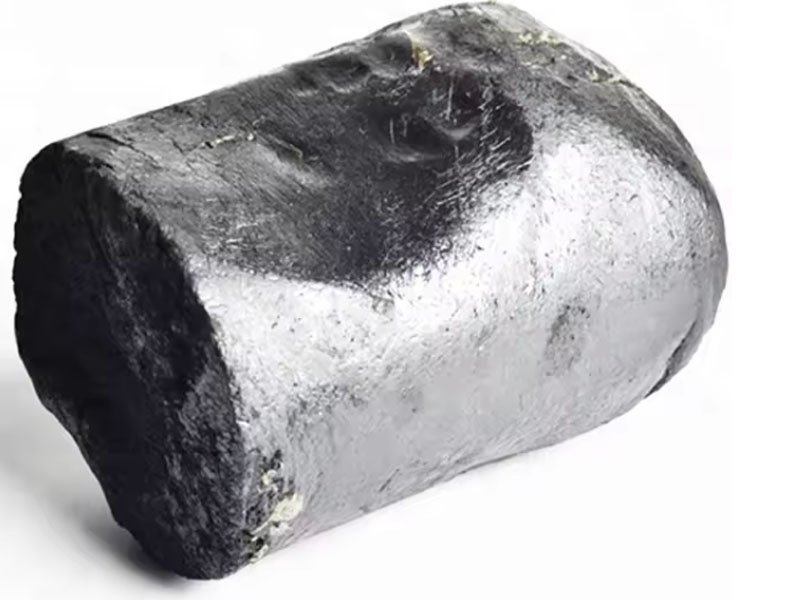
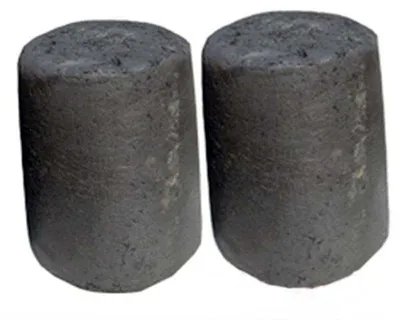
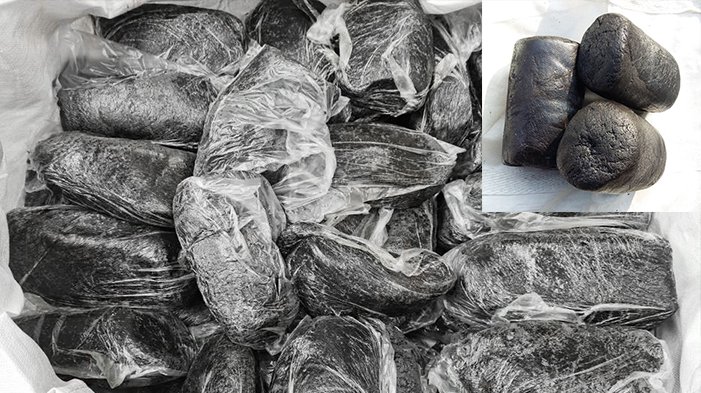
The global push for lower-emission steelmaking is forcing refractory formulators to rethink traditional taphole clay recipes. One of the most discussed changes: reducing tar content by 10% (e.g., from 18% to 8% or 16% to 6%, depending on baseline). This cut lowers volatile organic compounds (VOCs) and smoke—good for the environment, but what happens to sintering speed?
As a ferro alloy and metal powder supplier (Si, Al, SiC, and custom antioxidant blends), Beifang Alloy has worked with refractory manufacturers to answer this exact question. Below, we expand from four critical angles.
Tar serves multiple functions in taphole clay: binder, carbon source, and temporary plasticity provider. Reducing it by 10% creates a cascade of effects.
| Tar Reduction | Sintering Speed Change | Time to Reach Working Strength |
|---|---|---|
| 0% (baseline) | Standard | ~20–25 minutes after mud gun injection |
| 10% reduction | Slower by 30–50% | ~30–40 minutes |
| 20% reduction (extreme) | Slower by 60–80% | ~40–60+ minutes |
Data compiled from multiple 1000–2500m³ blast furnace trials.
Tar provides carbon that reacts with antioxidants (Si, Al) to form carbides (SiC, Al₄C₃)—the backbone of taphole strength. Less tar means:
Less carbon available for carbide formation
Lower exothermic heat from tar combustion (reduces local temperature rise)
Slower densification of the clay matrix
| Parameter | Baseline Tar | 10% Lower Tar |
|---|---|---|
| VOC emissions per ton of clay | ~15–20 kg | ~13.5–18 kg (10–15% reduction) |
| Smoke opacity during drilling | Moderate | Visibly lower |
| Worker exposure (Benzene, PAHs) | Baseline | Reduced |
Verdict: A 10% tar cut is meaningful for compliance and worker health, but it cannot be done without compensation (e.g., adding synthetic binders or increasing antioxidant activity).
If you are switching to lower-tar taphole clay, your procurement team must adjust specifications.
| Procurement Need | Why It Matters Now |
|---|---|
| Higher antioxidant content (or more active types) | Compensates for lost carbon from tar; accelerates sintering |
| Finer Si or Al powder (-325 mesh instead of -200) | Faster reaction kinetics to offset slower sintering |
| Synthetic binder additive (e.g., phenolic resin) | Maintains green strength without adding tar |
| Consistent tar quality (if still used) | Variability becomes more punishing at lower percentages |
| Supplier technical support | Needed to re-optimize the entire recipe |
We don’t just sell metal powders—we help you re-engineer the antioxidant package for low-tar systems:
Si powder, -325 mesh → faster, more uniform carbide formation
Al powder (coated or fine) → adds exothermic heat to accelerate sintering
SiC (as sintering aid) → provides early strength before carbides form
Custom composites (e.g., Si+Al+C) → designed specifically for low-tar binders
If you must reduce tar by 10%, here is a step-by-step guide to restore acceptable sintering speed.
Measure time from mud gun injection to:
Initial set (no deformation under light pressure)
Working strength (resists erosion from molten iron/slag)
Baseline typical: 20–25 minutes for medium blast furnaces.
| Compensatory Action | Expected Sintering Speed Improvement |
|---|---|
| Increase Si powder by 1–2% | +15–20% faster |
| Replace coarse Si with -325 mesh Si | +10–15% faster |
| Add 0.5–1% fine Al powder (exothermic) | +20–30% faster |
| Add 2–3% SiC (as early-strength aid) | +10–15% faster |
| Combine multiple actions | Can fully restore original speed |
Run a controlled test comparing:
| Batch | Tar Content | Antioxidant Package | Sintering Time | Environmental Score |
|---|---|---|---|---|
| A (baseline) | 12% | Standard Si 3% | 22 min | Poor |
| B (low-tar, unmodified) | 10.8% | Standard Si 3% | 34 min | Better |
| C (low-tar, optimized) | 10.8% | Si 4% (-325) + Al 0.5% | 24 min | Better |
| Scenario | Refractory Cost (USD/ton clay) | Sintering Delay Cost | Overall |
|---|---|---|---|
| Baseline tar | $100 | None | Standard |
| Low-tar, unmodified | $98 | High (longer taphole open risk) | ❌ Unacceptable |
| Low-tar + optimized antioxidants | $112 | None (or minimal) | ✅ Acceptable |
Antioxidants cost more than tar, but the operational safety justifies the increase.
| Parameter | Generic Carbon/Metal Suppliers | Beifang Alloy (www.beifangalloy.com) |
|---|---|---|
| Understanding of low-tar challenges | Limited (sell standard products only) | Deep expertise (worked on 10+ low-tar conversion projects) |
| Particle size control | Basic | -325 mesh standard for faster reactivity |
| Antioxidant purity | ±1.5% | ±0.5% (batch-to-batch) |
| Exothermic additives (fine Al) | Not offered | Yes – accelerates sintering to compensate for lost tar |
| SiC as sintering aid | Not offered | Yes – 90/95/98 grades available |
| Custom low-tar blends | No | Yes – we formulate antioxidant packages specifically for your new binder system |
| Technical support (recipe re-optimization) | None | Free consultation + lab testing + plant trial support |
| Case studies for low-tar success | None | Available (ask our team) |
Reducing tar by 10% is environmentally responsible – but don’t do it alone. Without compensating antioxidant changes, your sintering speed will slow by 30–50%, risking taphole blowouts and longer open-hole times.
The solution: Reallocate part of your material budget from tar to high-activity antioxidants and sintering aids. The net cost increase is modest (typically <10–15%), but the operational safety remains intact – and your environmental footprint improves.
Free initial audit – We review your current taphole clay recipe and sintering data
Proposed antioxidant upgrade – Tailored Si, Al, and SiC blend to restore speed
Lab-scale validation – We test oxidation weight loss and hot MOR
Plant trial support – Onsite or remote guidance during the trial campaign
Ongoing optimization – Adjust as your furnace conditions change
📞 Ready to lower tar without sacrificing performance?
🌐 www.beifangalloy.com | 📧 info@hnxyie.com
Beifang Alloy – Your Partner in Low-Emission, High-Performance Taphole Clays