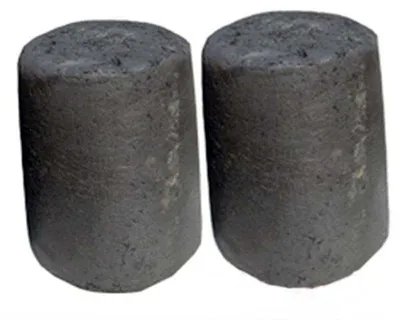
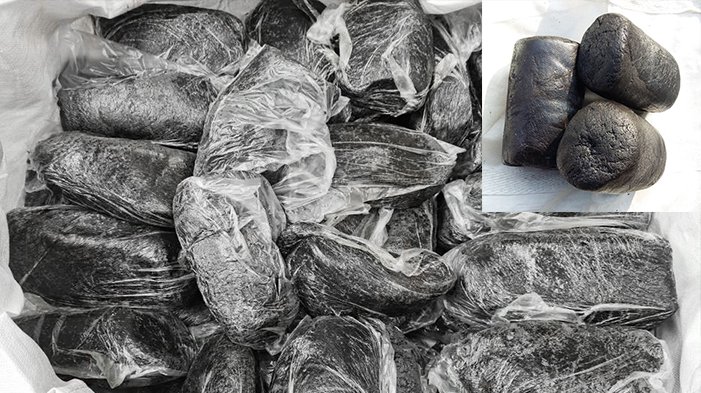
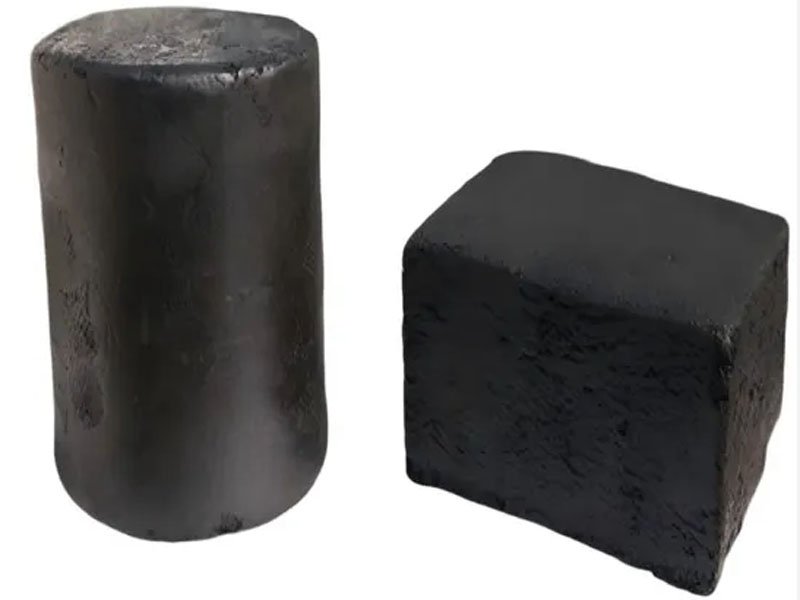
In blast furnace ironmaking, taphole clay (tap mud) is the last line of defense—sealing the taphole and ensuring stable casting. Among its ingredients, antioxidants (typically Si powder, Al powder, or composite alloys) play a decisive role in taphole performance. However, getting the dosage wrong—either too high or too low—leads to opposite but equally damaging consequences.
As a specialized ferro alloy and metal powder manufacturer, Beifang Alloy has worked with refractory formulators worldwide to optimize antioxidant levels in taphole clay. Below, we expand this topic from four critical angles.
Taphole clay operates under extreme conditions: high temperatures, molten iron/slag erosion, and repeated mechanical drilling. Antioxidants protect the carbon binder (tar, resin, or pitch) from premature oxidation, maintaining:
High-temperature strength (to resist erosion)
Easy drillability (not too hard, not too soft)
Stable taphole diameter (consistent casting)
But the margin between “too little” and “too much” is narrow.
| Symptom | Consequence |
|---|---|
| Carbon binder oxidizes quickly | Taphole clay becomes porous and loose |
| Poor slag resistance | Taphole diameter enlarges prematurely |
| Low strength at high temperature | Blowouts or uncontrolled iron flow |
| Frequent repairs needed | Increased labor, shorter casting cycles |
Bottom line: Underdosing leads to taphole erosion, iron splashing, and unsafe operations.
| Symptom | Consequence |
|---|---|
| Excessive sintering | Taphole clay becomes extremely hard to drill |
| Overly dense structure | Drill bits break; mud gun struggles |
| Residue buildup in taphole | Irregular taphole shape, difficult mud change |
| Higher material cost | No proportional performance gain |
Bottom line: Overdosing leads to drill bit breakage, extended drilling time, and reduced taphole service life.
Through extensive plant trials, we find the optimal antioxidant range (typically 2–5% depending on binder type and furnace size) delivers:
Consistent drillability across temperature swings
Smooth mud ejection
100,000+ tons per taphole campaign
When sourcing antioxidants for taphole clay, buyers must look beyond price. Here is a checklist:
| Procurement Need | Why It Matters |
|---|---|
| Stable particle size (-200 mesh or -325 mesh) | Ensures even dispersion in clay matrix |
| Controlled purity (e.g., Si ≥ 98%, Al ≥ 97%) | Prevents unwanted side reactions |
| Low oxygen content (<0.5%) | Avoids introducing oxides that reduce effectiveness |
| Consistent batch-to-batch quality | Reliable taphole performance run after run |
| Technical support for dosage adjustment | Helps you dial in the optimal percentage |
| Competitive pricing with stable supply | Controls your refractory cost per ton of iron |
Beifang Alloy advantage: Every shipment includes a Certified Mill Test Report (MTR) with particle size distribution and purity analysis. We also offer custom composite blends tailored to your binder system.
No universal number works for all blast furnaces. Use this step-by-step guide to determine your optimal antioxidant level.
| Factor | Low Dosage Range | High Dosage Range |
|---|---|---|
| Furnace temperature | <1500°C | >1550°C |
| Holding time between casts | Short (<30 min) | Long (>60 min) |
| Binder type | Resin-bonded (more forgiving) | Tar-bonded (needs more protection) |
| Desired taphole life | Standard | Extended (>150,000 tons) |
Test taphole clay samples with antioxidant levels at 1%, 3%, 5%, and 7%. Measure:
Oxidation weight loss (1400°C, 3 hours in air)
Hot modulus of rupture (HMOR at 1400°C)
Drillability index (standardized drilling test)
| Antioxidant Level | Taphole Life (tons) | Refractory Cost (USD/ton iron) | Drilling Cost Impact | Verdict |
|---|---|---|---|---|
| 1% (too low) | 60,000 | $3.80 | Low (but frequent blowouts) | ❌ Unsafe |
| 3% (optimal) | 130,000 | $3.10 | Moderate | ✅ Best value |
| 5% (optimal for high-temp) | 150,000 | $3.40 | Moderate | ✅ Acceptable |
| 7% (too high) | 155,000 | $4.50 | High (broken bits) | ❌ Wasted |
Run a full taphole campaign with your chosen dosage. Monitor:
Drilling time per cast (should remain consistent)
Mud consumption per ton of iron
Taphole diameter stability
| Parameter | Generic Suppliers | Beifang Alloy (www.beifangalloy.com) |
|---|---|---|
| Purity guarantee | ±1.5% batch variation | ±0.5% (strict SPC control) |
| Particle size | As-is, no certificate | Standard -200 or -325 mesh with PSD report |
| Oxide content | Not always tested | <0.5% O₂ (certified) |
| Custom composite blends | Rare | Yes (e.g., Si+Al, Si+C, Al+Mg for synergy) |
| Surface treatment | None | Optional coating to extend shelf life |
| Technical support | Basic datasheet | Remote formulation adjustment + plant trial support |
| Lead time (20 MT) | 30–45 days | 15–20 days (ex-stock for standard grades) |
| Third-party testing | Buyer’s cost | Free (we provide or reimburse) |
| Case study references | Limited | Available for 20+ steel mills and refractory formulators |
Taphole clay is not the place to guess. Too little antioxidant risks blowouts; too much risks broken drill bits.
The ideal antioxidant dosage for your taphole clay depends on your specific binder, furnace temperature, and casting frequency. Beifang Alloy helps you find that sweet spot through:
Free initial consultation (share your current formulation)
Lab-scale oxidation testing (we simulate your furnace conditions)
Custom blended antioxidants (precision particle size and purity)
Plant trial support (onsite or remote guidance)
Don’t let guessing hurt your campaign life or drill bits.
📞 Contact Beifang Alloy today
🌐 www.beifangalloy.com | 📧 info@hnxyie.com
Beifang Alloy – Your Precision Partner in Ferro Alloys & Antioxidants for Refractories