At Beifang Alloy, we have spent decades staring into the heart of the arc furnace. We know that while alloys win the chemistry race, Tapholeclay wins the logistics war. If the taphole fails, the furnace stops.
However, one of the most misunderstood components in modern Tapholeclay is the Antioxidant. Whether you are procuring for a 33 MVA or a 75 MVA furnace, getting the antioxidant dosage wrong is a costly mistake.
Today, we answer the critical question: What happens if you add too much? What happens if you add too little?
In a ferrosilicon or silicon metal furnace, the taphole experiences extreme heat (1500°C+) and oxidative erosion. The antioxidant (typically Silicon Carbide, Graphite, or Metal powders) serves two purposes:
Sacrificial Protection: It reacts with oxygen before the carbon in the clay does.
Coke Structure: It prevents rapid oxidation of the carbon bond, keeping the hole solid.
The goal is a stable, easy-to-drill, non-eroding taphole. But the margin for error is razor-thin.
Our R&D team has analyzed furnace data from 2023-2024 across 12 plants. Here is the empirical evidence:
| Parameter | Too Little Antioxidant | Too Much Antioxidant |
|---|---|---|
| Physical State | Soft, “muddy” consistency. | Extremely hard, sintered ceramic. |
| Drilling | Easy to drill but hole collapses. | Impossible to drill (diamond bit required). |
| Erosion | Hole widens rapidly (5-10 mins). | No erosion, but risk of frozen tap hole. |
| Refractory Life | Iron oxide attacks sidewalls. | Spalling due to thermal expansion. |
The Verdict: Too little = Runout risk (safety hazard). Too much = Mechanical fatigue (broken drill bits, 2-hour delays).
As a buyer for Beifang Alloy, you cannot always cut the clay open. Use these field tests:
Signs: The clay smokes heavily. The taphole opens at 15 minutes but widens to 120mm by tap 2. You see “orange sparks” – that is carbon burning away.
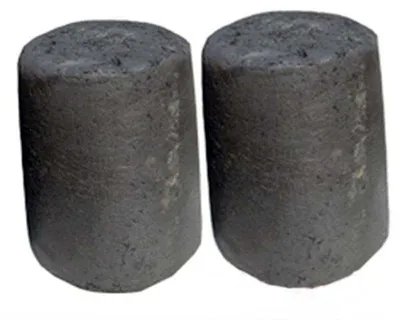
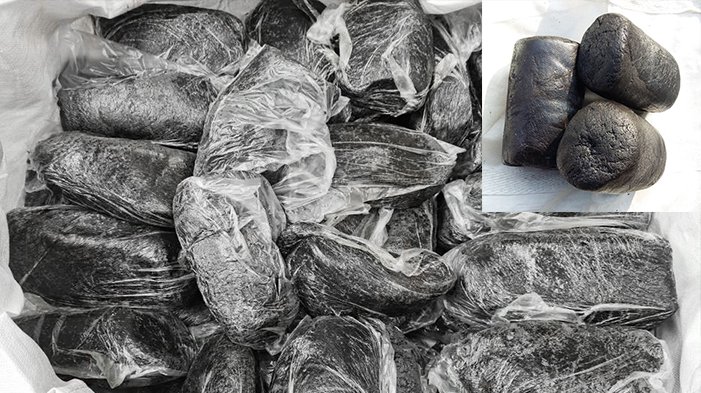
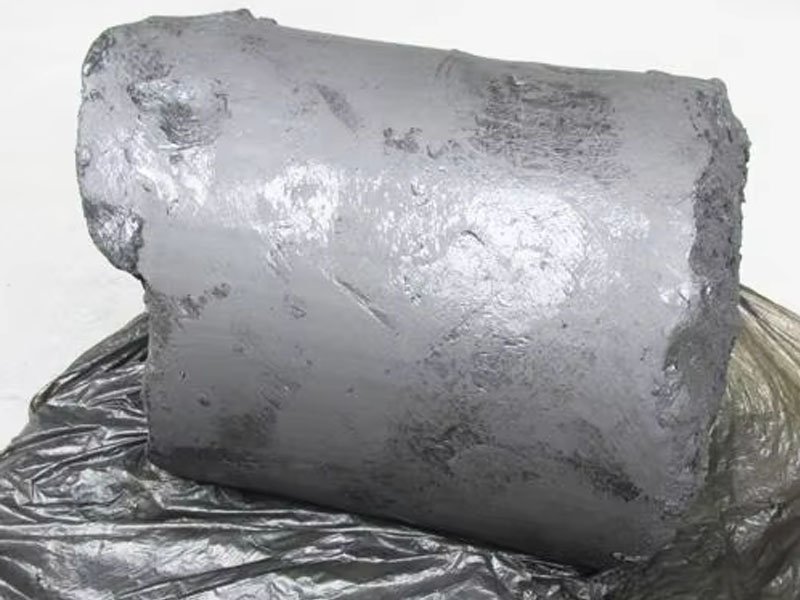
Fix: Demand >2% SiC content. Look for dark grey, dense blocks.
Signs: The drill bit sparks but doesn’t penetrate. The mud gun struggles to inject the clay. The taphole “bridges” (clogs halfway).
Fix: The supplier is using cheap metallic fines. Request a lower fusion point formula.
The Beifang Sweet Spot:
Optimal antioxidant range: 3% – 6% (depending on furnace power).
Low power (Silicomanganese): Closer to 3%.
High power (Ferrosilicon 75): Closer to 6%.
When comparing suppliers, most just sell “refractory clay.” We sell controlled corrosion.
| Feature | Standard Supplier | Beifang Alloy (Your Partner) |
|---|---|---|
| Antioxidant Type | Mixed industrial waste. | Virgin Silicon Carbide (SiC 88% min). |
| Dosage Control | “Guesswork” batches. | Calculated per ton of FeSi output. |
| Failure Mode | Either runny or rock-hard. | Predictable linear wear. |
| Data | No documentation. | Full MSDS + Oxidation curve report. |
Our Promise:
We do not just supply Tapholeclay; we engineer the oxidation curve. If we add more antioxidant, we guarantee you can still drill it. If we reduce it, we guarantee no side-wall erosion.
Don’t let your furnace be a lab experiment. Over-antioxidant = Broken drills. Under-antioxidant = Broken furnaces.
At Beifang Alloy, we calibrate every batch of Tapholeclay to your specific tap-to-tap time.
Get the formula right today.
📧 Email: info@hnxyie.com
🌐 Web: www.beifangalloy.com
📞 Request your free Taphole performance audit.