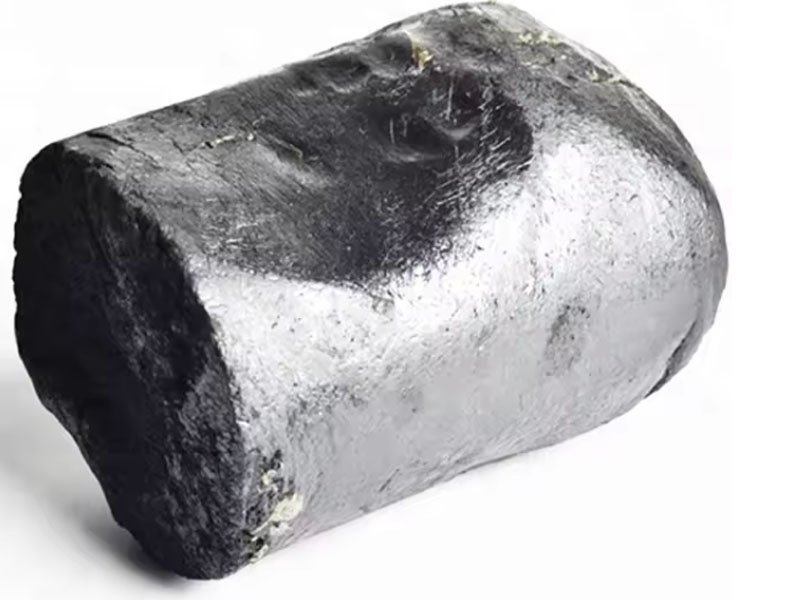
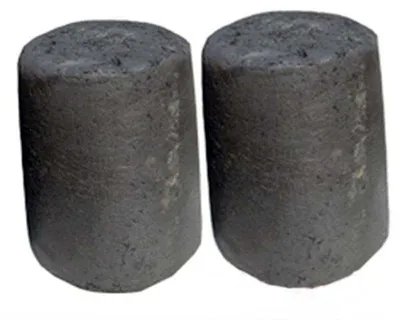
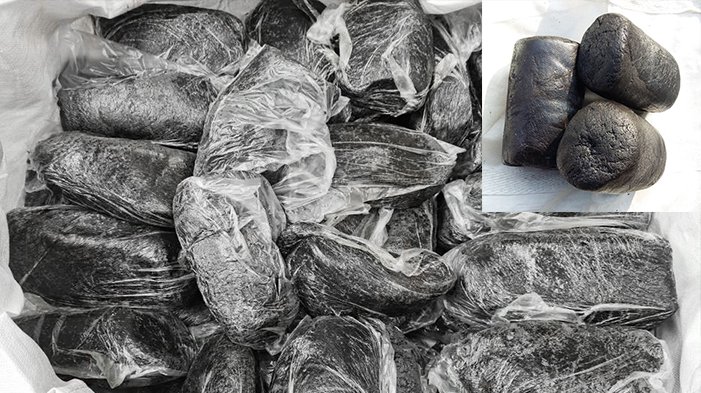
In the high-stakes environment of a ferroalloy furnace, every second counts. When the tap hole is opened, molten alloy and slag rush out under immense pressure and temperature (often exceeding 1500°C). But what happens immediately after you plug that hole?
Most operators only see the result: either a clean seal or a “runaway” taphole that bleeds metal. However, the critical transformation happens between the 3rd second and the 30th second after plugging (T+3s to T+30s). If your Taphole clay fails during this window, your furnace floor becomes a disaster zone.
At Beifang Alloy, we have spent years researching the rheological and sintering behavior of high-performance taphole clay. Here is what happens in those 27 seconds, and why it matters for your procurement strategy.
T+3 to T+5 Seconds: The Plastic Deformation Phase
When the clay first enters the taphole, it is still a plastic solid. In the first 3 seconds, friction is highest. By second 3 to 5, the sudden temperature shock (from room temp to ~300°C at the hole’s edge) begins to boil off the volatile binders. If the clay is too dry (low binder), it cracks immediately. If too wet, it extrudes out like toothpaste.
T+5 to T+15 Seconds: The Sintering Necklace Formation
This is the most dangerous window. The clay particles (Alumina, Silica, and Silicon Carbide) begin to form “sintering necks.” The binder (tar/resin) carbonizes, creating a porous yet rigid structure. The clay expands slightly to fill the gaps eroded by the molten slag. If your clay lacks high-strength aggregates (like Andalusite or SiC), it will erode rather than seal.
T+15 to T+30 Seconds: The Mechanical Lock
By 30 seconds, the clay should have formed a ceramic bond strong enough to hold back the ferrostatic pressure of the furnace (typically 2–3 bars). The outer layer becomes a glassy/slag-resistant skin, while the core remains malleable to absorb thermal shock.
The Risk: If the clay hasn’t achieved structural integrity by the 30-second mark, the furnace pressure will blow it out. You will lose tons of alloy and potentially damage the tap block.
To survive the T+3 to T+30 window, your taphole clay must possess three specific properties:
Rapid Sintering Kinetics: It must start forming a ceramic bond before the 15-second mark.
High Slag Resistance: Ferroalloy slags are highly aggressive. The clay needs a high Al₂O₃ (45-65%) and SiC (10-15%) content to resist chemical corrosion.
Consistent Volatile Content: Binder (tar/resin) should be between 12-15%. Too low = cracking; too high = bleed-out.
At Beifang Alloy, we supply clay with a specifically engineered particle size distribution (PSD) that ensures that “mechanical lock” happens at T+20 seconds, giving you a 10-second safety margin.
When you request quotes for your next shipment, do not just ask for “Taphole Clay.” Ask your suppliers these technical questions:
“What is your Modulus of Rupture at 300°C after 30 seconds?” (Industry standard should be >1.5 MPa).
“What is your fixed carbon vs. volatile ratio?” (Lower volatiles are better for EAF/SAF furnaces).
“Do you use ceramic fiber reinforcement?” (This prevents thermal spalling in the first 10 seconds).
Beifang Alloy’s data sheet is transparent. We provide full chemical analysis (Al₂O₃, Fe₂O₃, SiC, C fix) and physical testing results upon request at info@hnxyie.com.
How does Beifang Alloy stack up against standard suppliers during the T+3 to T+30 window?
| Feature | Standard Commodity Supplier | Beifang Alloy (Premium Grade) |
|---|---|---|
| T+3 to T+10 (Plasticity) | Often too dry; cracks appear. | Optimized binder content; remains plastic but non-extruding. |
| T+10 to T+20 (Sintering) | Slow formation; weak green strength. | High Alumina + SiC matrix sinters rapidly; >2 MPa strength by T+20s. |
| T+30 (Sealing) | High risk of blow-outs. | Positive mechanical lock; zero bleed-out. |
| Wear Resistance | 3-5 heats per hole. | 8-12 heats per hole (Reduces your rodding costs). |
| Customization | Generic formula. | Tailored to your Ferro Silicon, Ferro Manganese, or Silico Manganese slag chemistry. |
The difference between a profitable shift and a costly furnace rebuild happens between the 3rd and 30th second after you plug the hole. Don’t leave that window to chance.
At Beifang Alloy, we engineer taphole clay that respects the physics of your furnace. Whether you are looking for a procurement guide, an industry research partner, or a reliable supplier who can beat the clock, we are here to help.
Secure your tap hole. Secure your profit.
Contact Us Today:
🌐 Website: www.beifangalloy.com
📧 Email: info@hnxyie.com
📍 Inquiry: Request a sample or our technical data sheet for Taphole Clay.