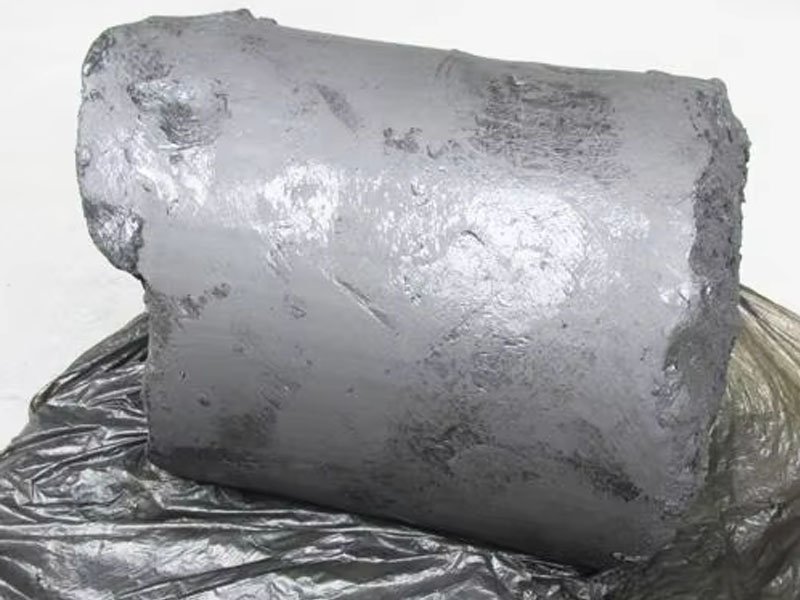
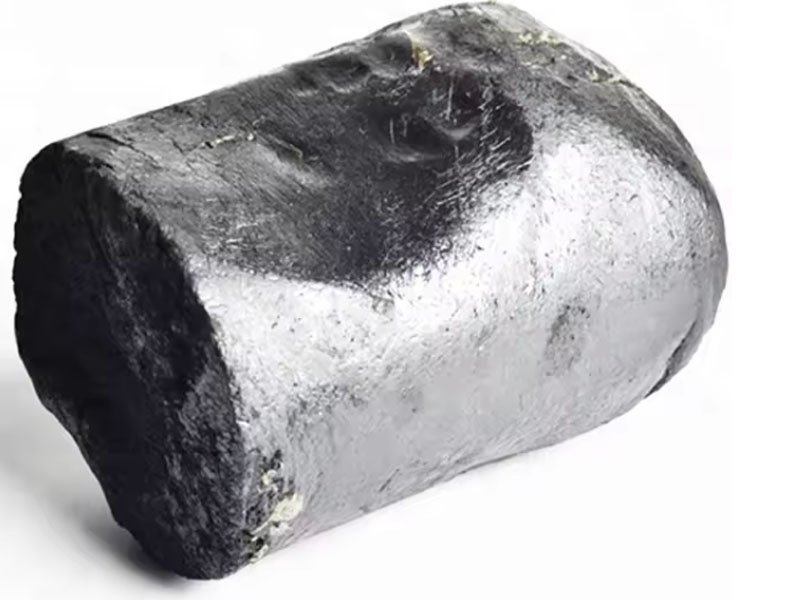
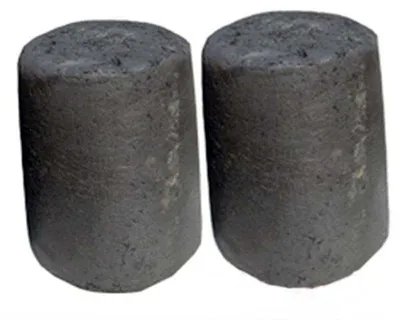
As the “gatekeeper” of any ferroalloy smelter, every taphole clay injection operation directly determines tap floor efficiency and safety. At Beifang Alloy, we often hear shift supervisors debate: after one shot of clay, should the pressure curve look like silk (“smooth”) or like an ECG (“sawtooth”)?
Drawing on years of hands-on experience with submerged arc furnaces (SAF) and blast furnaces, Beifang Alloy decodes what the pressure curve really tells you about your taphole clay quality.
For ferroalloy producers (especially SiFe, FeMn, FeCr), the core requirement for taphole clay is not simply “hardness” – but the balance between plasticity and sintered strength.
Key Pain Points:
Too hard → difficult injection, damages the mud gun.
Too soft → rapid tap hole erosion, short tapping time, even “clay runout” accidents.
What the Curve Means: An ideal injection process should show a steady pressure rise as the clay plug forms – not violent fluctuations.
Based on real-time furnace tests across multiple plants, truly high-quality taphole clay produces a SMOOTH pressure curve.
Excellent Plasticity: The binder (tar/resin) and aggregates (fused alumina, SiC, fireclay) are uniformly mixed with good flowability. The clay fills the taphole channel like toothpaste – no jamming, no segregation.
Stable Clay Plug Formation: A gradual pressure rise confirms that the clay plug expands uniformly inside the furnace wall, forming a dense refractory layer that resists molten metal erosion.
Conclusion: Smooth = Stable clay quality + Healthy mud gun condition + Proper taphole maintenance.
Clay Segregation: Coarse particles separate from fines inside the gun barrel → large particles jam → pressure spikes → breakthrough → pressure drops. This creates the sawtooth pattern.
Uneven Moisture/Volatiles: Local hard or soft spots, or even contaminants (metal scraps, stones).
Serious Risks: A sawtooth curve often leads to taphole cracks, wet taphole blowouts (“rockets”), or even mud gun explosions.
Conclusion: Sawtooth = Poor clay quality or clay that has absorbed moisture / clumped.
When your procurement team negotiates with suppliers, clearly specify the following technical requirements:
| Parameter | Smooth Curve (High Quality) | Sawtooth Curve (Poor Quality) |
|---|---|---|
| Pressure Fluctuation | Range < 10% | Range > 25%, with occasional peak doubling |
| Initial Stage (0-30%) | Gradual ramp-up, no impact | Violent jumps, accompanied by gun vibration |
| Middle Stage (30-80%) | Linear rise, uniform clay plug formation | Frequent sharp drops & spikes (material fracture) |
| Holding/Pressure Maintenance | Stable pressure, no backflow | Rapid pressure drop (leakage) or rebound |
Advice for Procurement Managers:
Ask suppliers to provide actual “pressure vs. time” curve screenshots from real furnace injections. Reject those who only say “it feels fine.”
Here is a real-world comparison of three common taphole clay suppliers:
| Supplier Type | Pressure Curve | Consequences for Your Smelter |
|---|---|---|
| Local small plant (traditional) | Highly sawtooth | Poor raw material grading, cheap binder (waste tar). Results: 3-5 taphole repairs per day, higher power consumption. |
| Large brand (general-purpose) | Smooth in middle, occasional sawtooth at start/end | Decent performance, but 30% price premium. Not optimized for ferroalloy-specific furnace geometries. |
| Beifang Alloy Custom Solution (Recommended) | Fully smooth, slightly convex curve | Optimized for ferroalloy high-temperature, high-erosion conditions. Uses eco-friendly organic composite binder. Actual data: Taphole depth consistency improved from 78% to 96%; single tap time extended by 15 minutes. |
Next time you stand at the mud gun control panel, staring at that pressure gauge, remember:
Smooth = Efficiency. Sawtooth = Hidden Danger.
For fellow ferroalloy producers (especially in northern regions), if you are struggling with difficult taphole opening, high clay consumption, or frequent tap floor accidents – take a hard look at your taphole clay pressure curve.
Beifang Alloy not only supplies high-quality ferroalloys (SiFe, MnFe, CrFe), but also serves as a technical partner for tap floor refractory management. We work with specialized taphole clay manufacturers to provide you with curve analysis + custom clay formulation – a complete package.
Website: www.beifangalloy.com
Email: info@hnxyie.com
Subject Line: “Taphole Clay Inquiry + Furnace Type/Capacity”
Beifang Alloy – We know smelting, and we know tap holes.