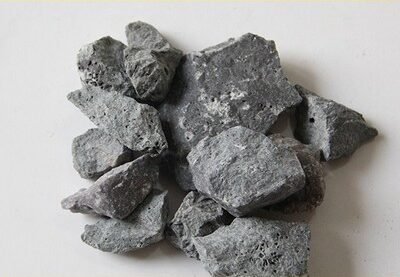
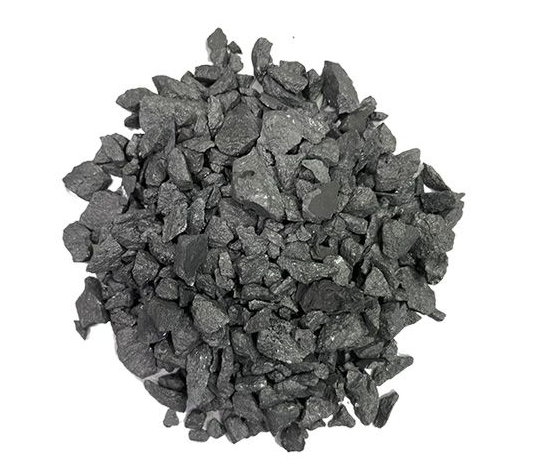
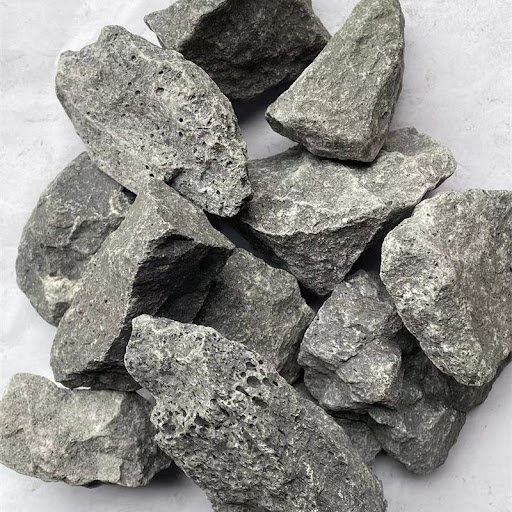
In continuous steel casting production, “nozzle clogging” (also known as “stream interruption” ) and “subsurface porosity” are two common and troublesome quality defects. These issues severely impact production efficiency and steel product yield. Finding a cost-effective solution has always been a core focus for steelmakers. As a composite deoxidizing material, Silicon-Calcium-Manganese (Si-Ca-Mn) deoxidizer is proving to be an effective solution, thanks to its ability to purify molten steel and improve fluidity. This article analyzes the industry pain points, mechanism of action, key procurement considerations, and supplier selection criteria to provide a practical reference for industry professionals.
“Nozzle Clogging” in continuous casting is fundamentally caused by high-melting-point solid inclusions in molten steel – most notably Al₂O₃. When aluminum is used for deep deoxidation, it generates large quantities of Al₂O₃ inclusions. During casting, these inclusions adhere to the tundish stopper rods and submerged entry nozzles, gradually accumulating and causing:
Blockage of the nozzle
Loss of flow control
Mold level fluctuations
In severe cases, break-out accidents
“Subsurface Porosity” primarily stems from excessively high dissolved oxygen in the molten steel. During solidification, oxygen reacts with carbon to form CO gas bubbles. If these bubbles fail to float up and escape before the shell solidifies, they become trapped just beneath the surface of the strand, creating porosity defects. Industry practice shows that controlling dissolved oxygen in the range of 30×10⁻⁶ ~ 50×10⁻⁶ is the critical “sweet spot” for balancing the risks of nozzle clogging (too low oxygen with excess Al₂O₃) and subsurface porosity (too high oxygen).
Si-Ca-Mn deoxidizer addresses these problems at their source through the synergistic effects of its constituent elements:
Calcium (Ca) is a strong deoxidizing element that combines with dissolved oxygen to form CaO. Its critical role lies in reacting with other deoxidation products (such as manganese silicates) to form low-melting-point composite compounds. These liquid or low-melting inclusions are easy to aggregate, float up, and be absorbed by the slag, thereby significantly reducing both total oxygen content and inclusion count in the steel.
Most importantly, calcium modifies high-melting Al₂O₃ inclusions into low-melting calcium aluminates, effectively preventing nozzle clogging and improving the fluidity of molten steel.
Manganese (Mn) and Silicon (Si) serve as the base deoxidizing elements. Manganese enhances silicon’s deoxidizing efficiency, and the MnO generated can form low-melting compounds with SiO₂, promoting the removal of deoxidation products from the liquid steel. Some Si-Ca-Mn products also contain a small amount of aluminum (Al) to achieve deeper deoxidation – but the formulation is carefully designed to avoid the excessive Al that leads to pure Al₂O₃ inclusion problems.
By precisely controlling the deoxidation depth, Si-Ca-Mn deoxidizer helps maintain dissolved oxygen within the ideal range. It avoids:
Under-deoxidation (too much oxygen) → causing subsurface gas bubbles
Over-deoxidation (too little oxygen from excessive Al-based deoxidizers) → causing nozzle clogging
As a ferroalloy factory, Beifang Alloy offers Si-Ca-Mn deoxidizer with customizable compositions to meet specific customer needs. Typical product specifications (adjustable upon request) are as follows:
| Component | Typical Range | Function |
|---|---|---|
| Silicon (Si) | 18-35% | Primary deoxidizer; forms SiO₂; improves steel strength and elasticity. |
| Calcium (Ca) | 16-30% | Strong deoxidizer; modifies inclusions; improves fluidity; prevents nozzle clogging. |
| Manganese (Mn) | 8-20% | Auxiliary deoxidizer; forms low-melting inclusions with SiO₂ for easy removal. |
| Aluminum (Al) | 3-8% | Deep deoxidizer; content must be controlled to avoid forming high-melting Al₂O₃ alone. |
| Particle Size | Customizable | Ensures rapid and uniform melting in molten steel, improving recovery rate. |
| Factor | Why It Matters |
|---|---|
| Composition Stability | Consistent composition batch-to-batch directly impacts deoxidation stability. |
| Impurity Control | Sulfur (S) and phosphorus (P) content must be strictly controlled to avoid secondary contamination of the steel. |
| Physical Form | Proper particle size (e.g., 3-8mm) and good flowability ensure easy feeding and use, while reducing dust. |
Choosing a reliable supplier is critical for ensuring product quality and stable production. Here’s how the market compares:
As an integrated producer with full-process quality control from raw materials to finished products, we offer:
Customized formulations – We can adjust Si, Ca, Mn, and Al ratios based on specific steel grades and refining processes to deliver truly “tailor-made” solutions.
Cost advantages – Direct mill supply eliminates middleman markups.
Responsive service – Fast technical support and on-site assistance.
Traceability – Full raw material sourcing and production records ensure accountability.
Some traders or suppliers with non-dedicated production lines may offer products with:
Inconsistent compositions – Significant batch-to-batch variation.
Poor traceability – Difficulty tracing quality issues back to the source.
Lack of technical support – Inability to provide tailored formulations or problem-solving assistance.
Choosing such suppliers exposes steel mills to the risk of production disruptions caused by unstable deoxidizer quality – a risk that far outweighs any apparent cost savings.
Leveraging the industrial cluster advantages of Anyang, China – a renowned ferroalloy production hub – Beifang Alloy is committed to delivering reliable quality and consistent specifications in our Si-Ca-Mn deoxidizer. We partner with our customers to solve the persistent challenges of nozzle clogging and subsurface porosity, helping you achieve:
Higher casting productivity – fewer interruptions and breakouts
Better steel quality – cleaner steel with fewer defects
Lower total cost – optimal deoxidation efficiency and reduced scrap rates
We welcome inquiries and cooperation opportunities. Our team is ready to provide professional product consultation and technical support.
Website: www.beifangalloy.com
Email: info@hnxyie.com
Location: Anyang, Henan, China