—— Beifang Alloy Explains Industry Standards and Procurement Guidelines
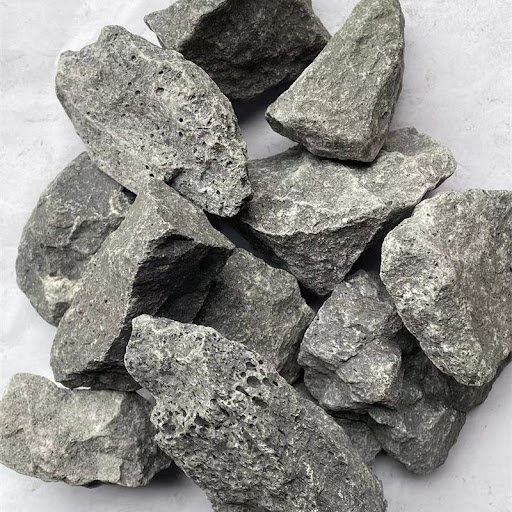
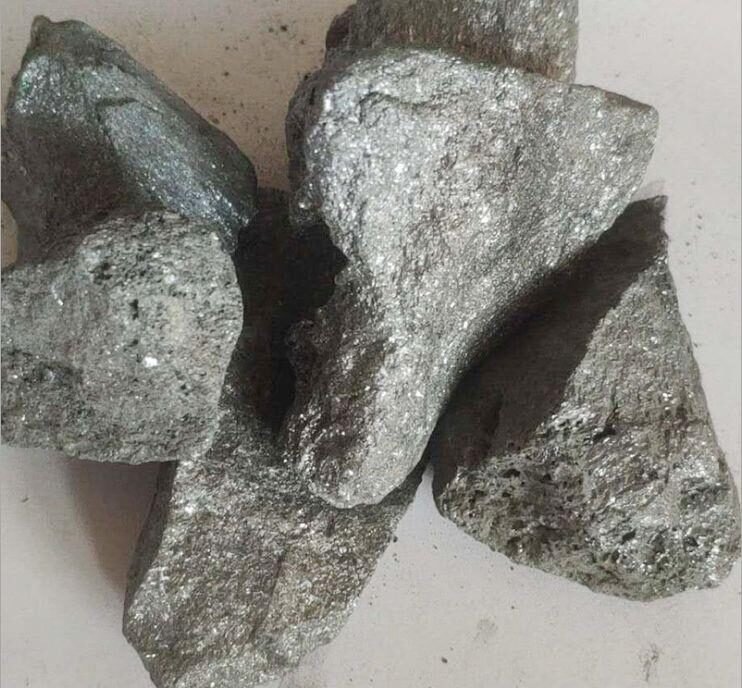
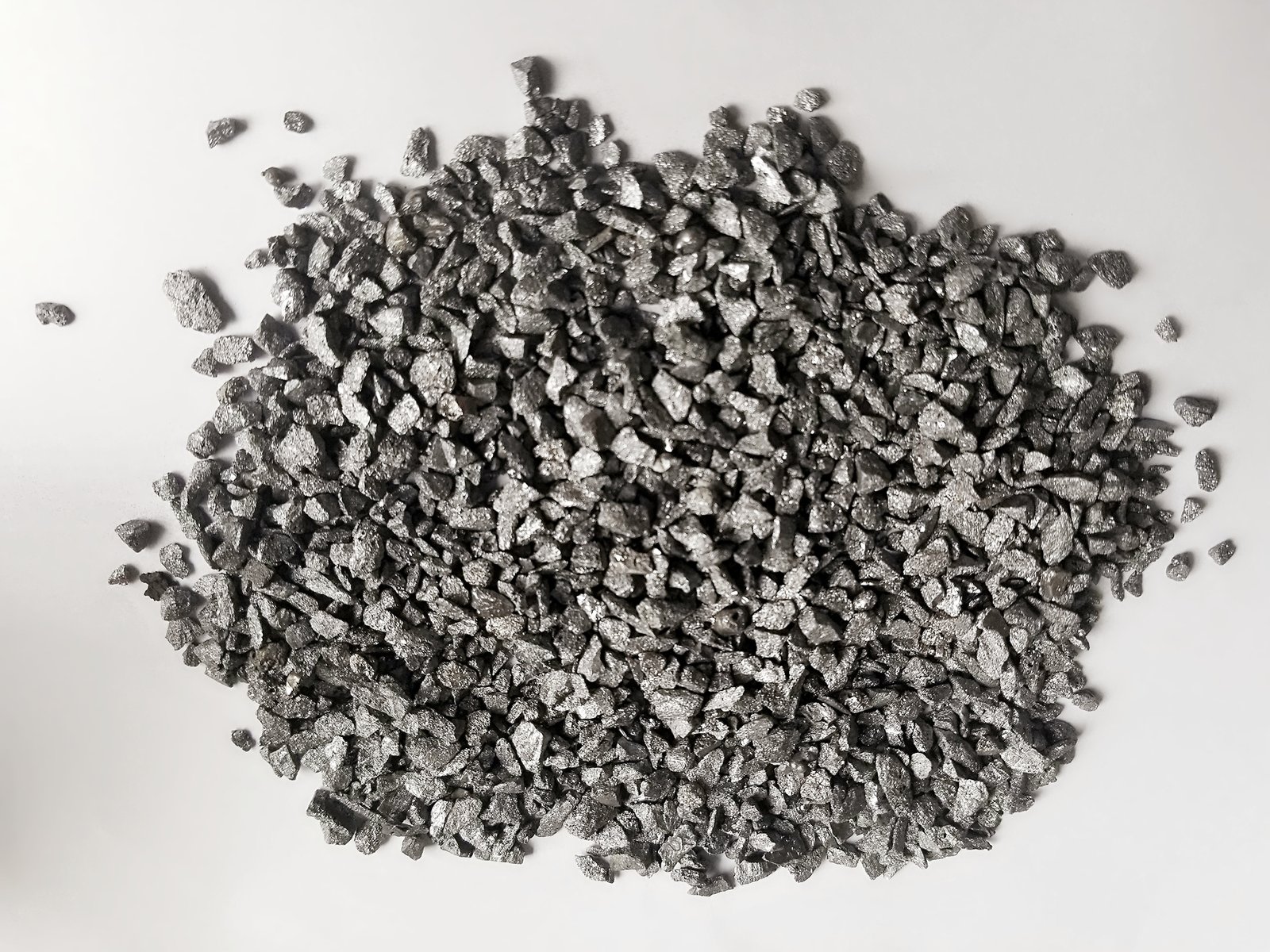
In the steelmaking process, the quality of deoxidizers directly affects the purity of molten steel and the final product quality. Calcium silicon manganese (also known as calcium-silicon-manganese alloy or Ca-Mn-Si) is widely used as a composite deoxidizer due to its excellent deoxidation and desulfurization performance. So, does calcium silicon manganese deoxidizer comply with Chinese national standards? What specific standards apply? This article provides a comprehensive analysis from four perspectives: procurement needs, industry research, procurement guidelines, and supplier comparison.
For steel mills and foundries, the core concerns when purchasing calcium silicon manganese deoxidizer are essentially threefold: stable quality, precise composition, and regulatory compliance. “Compliance with national standards” serves as the fundamental guarantee for addressing these issues.
A standard-compliant calcium silicon manganese deoxidizer ensures:
Precise chemical composition – Core elements such as silicon (Si), calcium (Ca), and manganese (Mn) meet specified content requirements to ensure effective deoxidation;
Strict impurity control – Harmful elements such as phosphorus (P), sulfur (S), and carbon (C) are kept within permissible limits to avoid secondary contamination of molten steel;
Uniform particle size – Appropriate particle size promotes rapid dissolution and reaction in molten steel, improving deoxidation efficiency;
Traceability – Certified products come with quality certificates for easy inspection and traceability.
Calcium silicon manganese deoxidizer falls under the broader category of calcium-silicon alloys. The current effective industry standard in China is YB/T 5051-2016 “Calcium-Silicon Alloy”.
Key information about this standard:
| Item | Details |
|---|---|
| Standard No. | YB/T 5051-2016 |
| Standard Name | Calcium-Silicon Alloy |
| Issuing Authority | Ministry of Industry and Information Technology of the People’s Republic of China |
| Administrative Body | National Technical Committee for Standardization of Pig Iron and Ferroalloys |
| Effective Date | July 1, 2016 |
| Supersedes | YB/T 5051-2007 |
| Scope of Application | Used as composite deoxidizer, desulfurizer, and alloy additive in steelmaking, as well as inoculant and nodularizer in cast iron production |
YB/T 5051-2016 specifies the technical requirements, test methods, inspection rules, packaging, marking, transportation, storage, and quality certificates for calcium-silicon alloys. This means that calcium silicon manganese products manufactured in accordance with this standard have clearly defined specifications for chemical composition, physical dimensions, and inspection procedures.
For international trade, ASTM A495 “Standard Specification for Calcium-Silicon Alloys” serves as an important reference. This standard covers standard grades of calcium-silicon alloy, calcium-manganese-silicon alloy, calcium-silicon-barium alloy, and silicon-calcium-iron alloy.
ASTM A495 establishes requirements for chemical composition. For companies involved in exports or importing raw materials, understanding ASTM A495 facilitates international benchmarking and quality control.
Does “national standard” mean GB standard? Calcium silicon manganese products currently follow the metallurgical industry recommended standard (YB/T) , rather than a mandatory national standard (GB). YB/T standards carry equal authority and serve as the industry-accepted quality benchmark.
Is calcium silicon manganese the same as calcium-silicon alloy? Yes. Calcium silicon manganese (Ca-Mn-Si) is a common variant of calcium-silicon alloy and is explicitly listed as a standard grade under “calcium-manganese-silicon” in ASTM A495. Therefore, YB/T 5051-2016 is equally applicable to calcium silicon manganese products.
In actual procurement, it is recommended to conduct acceptance inspections based on the following aspects:
Regular suppliers should provide a quality certificate with each shipment, including at least:
Product name, grade, and batch number;
Chemical composition analysis results (Si, Ca, Mn, P, S, C, etc.);
Particle size inspection results;
Applicable standard (YB/T 5051-2016);
Official stamp of the manufacturer.
Buyers may send samples to third-party testing laboratories to verify compliance with the technical requirements of YB/T 5051-2016. Key parameters to focus on:
Silicon (Si) content – affects deoxidation capacity;
Calcium (Ca) content – core deoxidizing element, also influences desulfurization;
Manganese (Mn) content – assists deoxidation while improving steel’s mechanical properties;
Phosphorus (P) and Sulfur (S) – should be kept as low as possible to avoid negative impacts on steel quality.
Particle size should comply with contractual specifications—overly fine particles are prone to oxidation, while overly coarse particles reduce dissolution rates;
The surface should be clean, with no visible inclusions.
Market supply capabilities vary considerably, making it critical to select a reliable supplier. The following comparison dimensions are provided for reference:
| Dimension | Characteristics of Quality Supplier | Warning Signs |
|---|---|---|
| Standard Compliance | Clearly states compliance with YB/T 5051-2016; provides third-party test reports | Vague statements; unable to provide standard basis |
| Quality Control | Established quality management system; batch-by-batch testing | No testing capability; production based on experience |
| Origin & Scale | Located in major ferroalloy production regions (e.g., Anyang); stable production capacity | Small processing workshops; unreliable supply |
| Credentials & Reputation | Proven industry experience; verifiable customer references; legitimate business registration | Unclear registration information; no verifiable case studies |
| After-Sales Service | Provides technical support; assists with application issues | No post-sale response |
Does calcium silicon manganese deoxidizer comply with Chinese national standards? The answer is yes. In the Chinese market, compliance with national standards means adherence to YB/T 5051-2016 “Calcium-Silicon Alloy” . This standard specifies clear requirements for chemical composition, inspection rules, packaging, and labeling, serving as the essential basis for procurement and acceptance.
Beifang Alloy — a professional ferroalloy manufacturer with decades of industry experience, strategically located in the heart of China’s ferroalloy industrial region. We strictly organize production in accordance with YB/T 5051-2016, ensuring consistent quality and compliant composition for every batch of calcium silicon manganese deoxidizer.
Website: www.beifangalloy.com
Email: info@hnxyie.com